Loading video…
All breakouts
106Talking HeadSocial Proof hookHealth
Hook
Only 5 to 10 out of every 100,000 babies are born with what I have.
@senai_luv
20.6K followers · usually 256 views a post
Views
30.6K
Likes
775
Comments
17
Shares
36
Why it worked
The video uses a highly personal, vulnerable story combined with clear, educational visuals to demystify a complex medical condition, fostering deep audience connection and engagement.
Summary
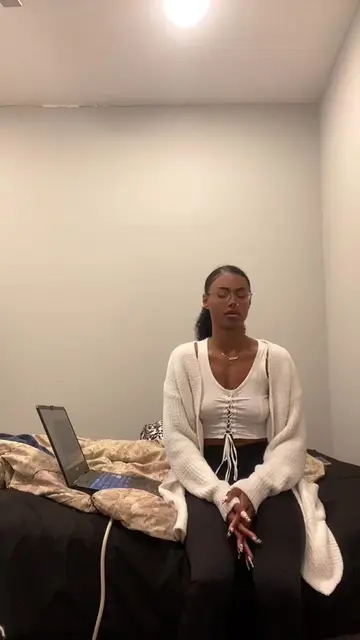
The creator explains her congenital heart condition, double inlet left ventricle (DILV), and the surgeries she underwent as a child. She shares her personal experience to raise awareness and offer support to others with similar conditions.
Structure
- 1Introduction to the condition DILV
- 2Explanation of how a normal heart works vs DILV
- 3Symptoms and complications of DILV
- 4Distinction between DILV and DORV
- 5Overview of the three-surgery treatment process
- 6Personal reflection on living with the condition and message of support
On-screen text
Normal Heart
Double inlet left ventricle
Pulmonary artery banding
Glenn Shunt
Fontan Operation
Transcript
Original caption
Honorable repost due to my last post , A lot of you asked what I meant by half a heart. I have what’s called a double inlet left ventricle ❤️#chdawarness #doubleinletleftventricle #heartdisease #heartdefect #fyp
More from @senai_luv
More breakout videos from this creator.