Loading video…
All breakouts
11.6Text-HeavyWarning hookFinance
Hook
DON'T HOLD CASH
@financetalk7
13.7K followers · usually 4.3K views a post
Views
48.0K
Likes
381
Comments
14
Shares
76
Why it worked
The video effectively uses a simplified, visual explanation of complex economic concepts like national debt and deficits, making them accessible to a broad audience. The comparison to personal finance and the use of clear, albeit stark, imagery likely resonated with viewers concerned about economic stability.
Summary
The video explains the concept of national debt, breaking it down into public and intergovernmental debt. It highlights how the US government's borrowing and spending habits, coupled with rising interest rates, create a growing debt that impacts various sectors of daily life and the economy.
Structure
- 1Introduction to the looming economic crisis
- 2Explanation of national debt (public vs. intergovernmental)
- 3The role of treasuries and interest rates
- 4Comparison to personal finance and government spending
- 5Breakdown of government spending categories
- 6The concept of annual deficit and its impact on debt
On-screen text
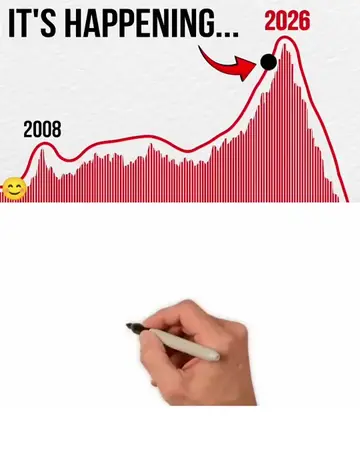
DON'T HOLD CASH
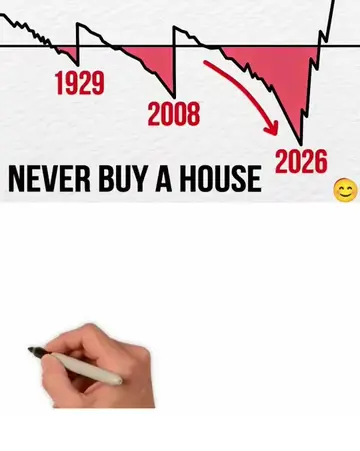
1929
WE ARE HERE
2026
STOP
Recession
Great
Depression
National debt
Public Debt
Intergovernmental Debt
Treasuries
Spend
Earn
BANK
Washington is the same
0000
But the bill compounds
Scale and
trust
Treasuries
Rival major programs
They are the
scaffolding
of daily life
Revenue
Spending
National Debt
Revenue
Spending
Original caption
What's Coming is Worse Than 1929 Depression (It Will Last For Decades) #GreatDepression #EconomicCrash #Recession #FinancialCrisis #MarketCollapse
More from @financetalk7
More breakout videos from this creator.