Loading video…
All breakouts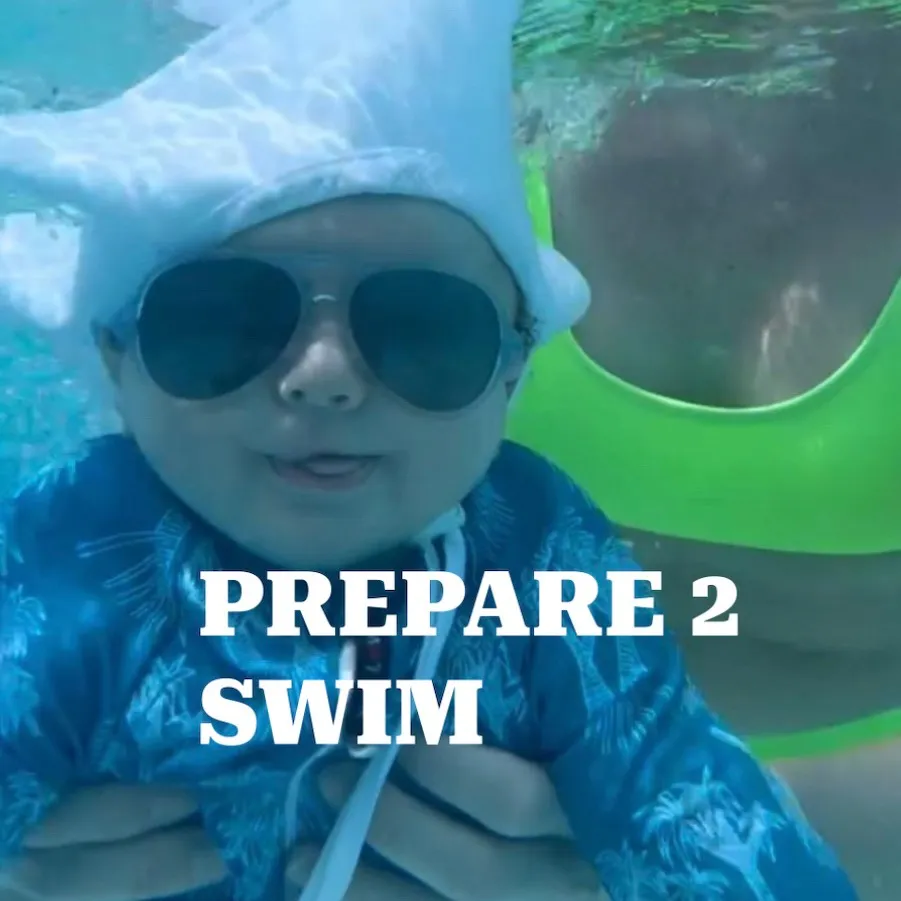
341Silent UGCWarning hookEducation
Hook
Parents, if you don't practice this during my bath between 1-3 months
@prepare2swim
158.3K followers · usually 714 views a post
Views
240.8K
Likes
6.5K
Comments
33
Shares
720
Promoted product
Prepare 2 Swimhttps://prepare2swim.world ↗
Why it worked
The video uses a compelling visual 'before and after' transformation that taps into parental aspirations for their child's development, making the educational content feel like a natural, high-value insight.
Summary
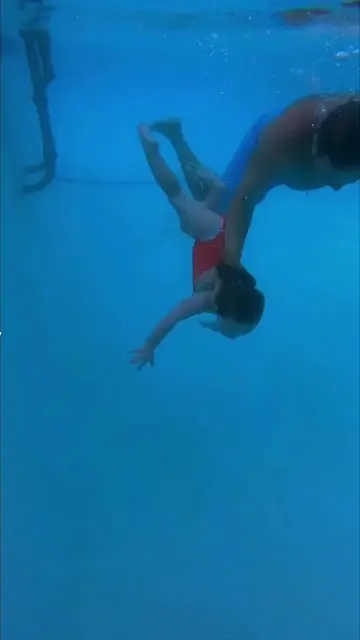
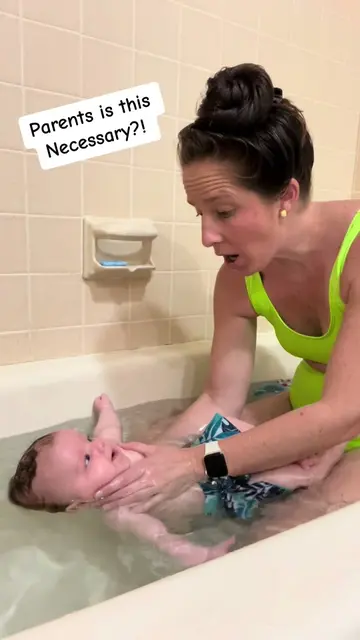
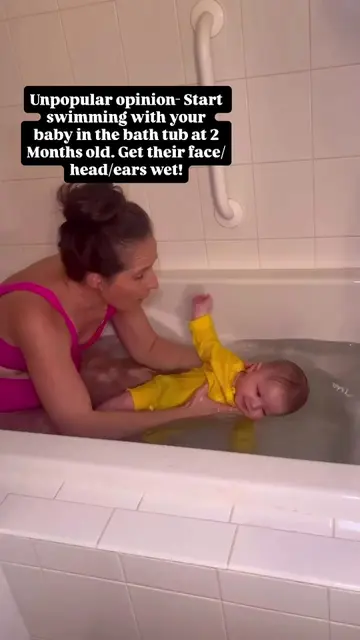
The video shows a baby floating comfortably in a bathtub, contrasting their behavior at 1-3 months with their confidence at 16 months. It implies that early exposure to water is key to developing swimming skills naturally.
Structure
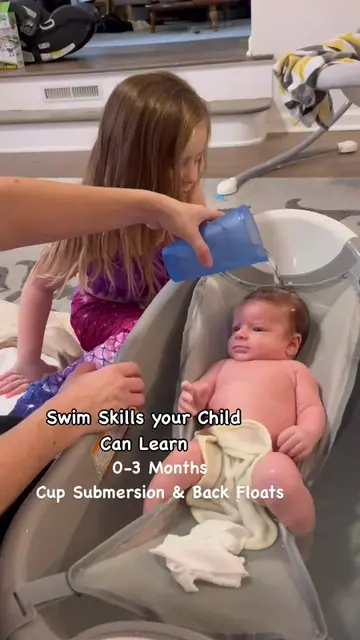
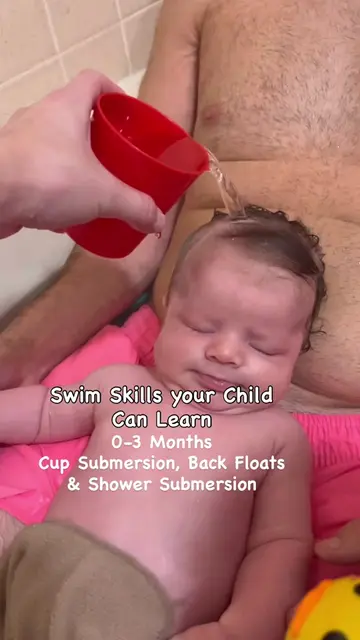
- 1Baby floating in a bath at 1-3 months
- 2Text overlay explaining the importance of early practice
- 3Cut to the same child at 16 months playing confidently in water
- 4Text overlay highlighting the long-term benefit of the practice
Product placement
The video serves as a demonstration of the principles taught by the creator's 'Prepare 2 Swim' program, linked in the bio.
On-screen text
Parents, if you don't practice this during my bath between 1-3 months
then I won't be able to do this at 16 months
Original caption
As early Montessori movement teachers, my wife and I don’t “teach” swimming as a skill to be forced or rushed. We prepare the environment so movement can emerge naturally. Between the two of us, we’ve spent over 20 years each working with babies and young children, and we’ve applied the same principles with all three of our own kids. The pattern has been remarkably consistent. Here’s a foundational truth about water movement: If a child can’t tolerate water at their ears, they can’t fully relax. If they can’t relax, they can’t float. And without floating, swimming never organizes itself. Water safety doesn’t begin in a pool. It begins in the everyday environment — the bathtub. This doesn’t need to be a lesson or a long session. It’s a few intentional seconds — a meaningful extension of the bath — repeated over time. In Montessori, progress comes from small, consistent experiences, not intensity. How to introduce it (around 2–3 months): The language: Use a simple, consistent cue like “ready lets float.” Language prepares the body for movement. The support: Cradle the head and body fully. Move slowly. Stay predictable. The emotional tone: Calm, grounded, confident. Children mirror regulation before they mirror movement. You’re not training a behavior. You’re building familiarity. When these brief moments are woven into regular baths, they quietly accumulate. Over months, the body recognizes the sensation. Resistance fades. Organization appears. That’s how real independence forms. We’ve seen it with thousands of families — and in our own home. A few seconds. Repeated often. That’s the work. 👉You must get them TEACHABLE. And it starts with Prepare 2 Swim Education👇 ✅Bio TEACH YOUR CHILD TO SWIM AT YOUR OWN RISK
More from @prepare2swim
More breakout videos from this creator.