Loading video…
All breakouts
 6 videos
10.1Talking HeadOther hookAI Tools
Hook
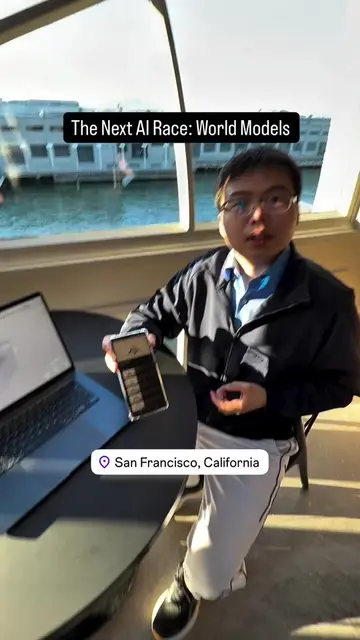
The Next AI Race: World Models
@sorhan.hq
3.8K followers · usually 553 views a post
Views
5.2K
Likes
166
Comments
16
Shares
15
Promoted product
ELUelu.dev
Elu watches real user sessions, catches the bugs they run into, and has the fix ready to ship.
Why it worked
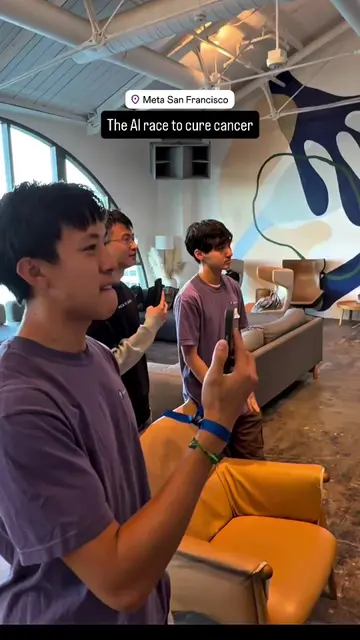
The video effectively explains a complex AI concept (world models and differential equations) in an accessible way, highlighting the practical benefits and potential impact of the technology. The use of visual aids and a clear, concise explanation makes it engaging and informative, driving interest in the underlying product.
Summary
The video explains how AI, specifically neural networks, can be used to solve complex differential equations and simulate real-world physical processes. This approach is presented as a faster, cheaper, and more efficient alternative to traditional methods, potentially revolutionizing engineering simulations.
Structure
- 1Introduction to AI and world models
- 2Training neural networks for differential equations
- 3Limitations of traditional methods
Original caption
Researcher name: Guangting Yu, Dailey Labs The next wave of AI isn’t just chat. It’s simulation. As models get better at learning dynamics, differential equations, and world models, AI moves closer to running experiments, testing ideas in simulated environments, and helping engineer real systems before they’re built. Simulation engineering may be one of the biggest frontiers in AI. 🌊 #startuplife #founder #Tech #machinelearning #ai
More from @sorhan.hq
More breakout videos from this creator.