Loading video…
Sound

original sound - _chris_gonzales
Chris G | VC + Startups · Original audio
0:00–:––
Playing this video’s own audio, so you’ll hear the creator over the sound.
The video likely performed well because it tapped into a current market trend (wearable biometrics) and presented a direct comparison between two major players (Garmin and WHOOP), highlighting a disruptive pricing strategy that challenges the established subscription model.
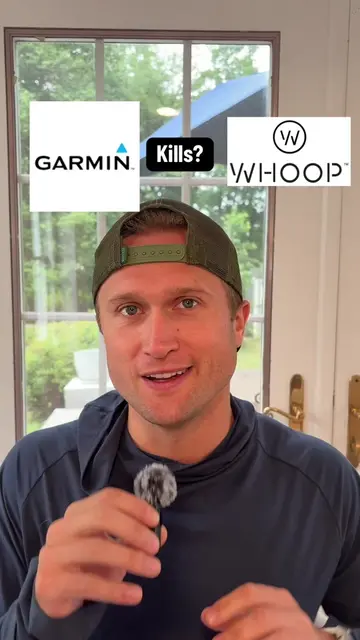
The video discusses Garmin's new CIRQA smart band, a screenless fitness tracker that challenges WHOOP's subscription-based model by offering a one-time purchase with comprehensive health monitoring features. It highlights the growing commoditization of biometrics and suggests companies will need to innovate beyond pricing to remain competitive.
Garmin did not just launch a WHOOP competitor. It may have exposed the weakness in WHOOP’s entire business model. The new Garmin CIRQA is a $199.99 screenless fitness tracker that monitors sleep, HRV, training readiness, VO₂ max, stress and recovery—with no required subscription. At first glance, it looks like Garmin copied WHOOP. I think the opposite may be true: WHOOP proved there was demand for a wearable without another distracting screen. Garmin waited until the category was validated, then entered with a much larger ecosystem and a lower long-term cost. That distinction matters. WHOOP needs customers to keep paying every year because the membership is the business. Garmin can make money from the band once, then pull users deeper into Garmin Connect, running watches, cycling computers, scales, golf devices and premium software. Garmin does not need CIRQA to win as a standalone product. It only needs CIRQA to become the entry point—or missing piece—inside an ecosystem it already owns. That is the contrarian market insight: the biggest threat to subscription wearables may not be a better subscription. It may be a hardware company that can afford to bundle most of the intelligence for free. The sensors themselves are also becoming less differentiated. Heart rate, sleep, temperature and recovery data are gradually turning into table stakes. The real competition is moving higher up the stack: Who interprets the data best? Who has the longest history with the user? Who can connect recovery data to running, cycling, strength training and everyday behavior? And who can deliver that value without making customers feel like they are renting access to their own body? WHOOP still has real advantages. Its recovery language, athlete community and habit-forming experience are strong. Garmin’s app can feel overwhelming, and more data does not always mean better decisions. But CIRQA signals something bigger than a new wearable. The future of wearable technology may be screenless, passive and almost invisible. The winning device will not demand more attention. It will collect quietly, interpret intelligently and intervene only when something matters. In that market, the moat is no longer the band. It is the ecosystem surrounding the data. Would you choose Garmin CIRQA once—or keep paying for WHOOP every year?
Garson just broke WHOOPs business model
Introduction of Garmin's new screenless model, CIRQA
Comparison to WHOOP's subscription model
Discussion of market trends in biometrics
Explanation of CIRQA's features and pricing
Conclusion on the need for companies to disrupt and innovate
The video prominently features the Garmin CIRQA smart band, showing its design and comparing it to WHOOP's offerings. It also displays screenshots of the Garmin Connect app and charts related to the wearables market.
Playing this video’s own audio, so you’ll hear the creator over the sound.
Screenless fitness tracker for people monitoring health and activity
All time.
Promotes 1 product. Create free account to see more.
Outliers and viral hits: their videos on Overshot, all time.