Loading video…
All breakouts
6.1Talking HeadStory Open hookHealth
Hook
incoming stitch...
@lifewithmigraine
15.7K followers · usually 5.7K views a post
Views
33.8K
Likes
2.8K
Comments
147
Shares
99
Why it worked
The video effectively leverages a trending topic (a viral clip) and a personal connection (creator's expertise and lived experience with migraine) to deliver critical information about a complex health condition. By highlighting flaws in a study and reframing the understanding of migraine, it provides valuable, shareable content that addresses a significant unmet need for accurate information and destigmatization.
Summary
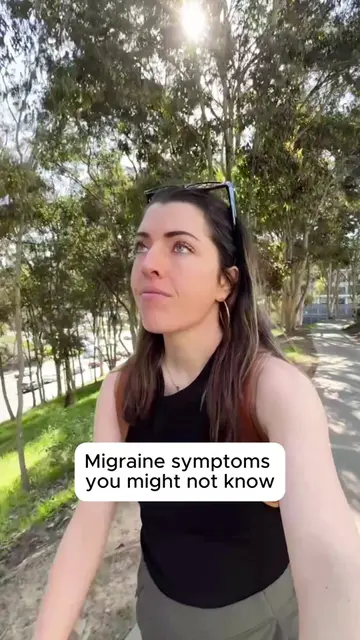
A neuroscientist and migraine researcher discusses a study on migraine medication and the placebo effect. She highlights two key issues with the study's findings: it only included participants with episodic migraines, not chronic ones, and while the placebo effect was present, the actual medication was still more effective. She emphasizes that migraine is a complex neurological disease with many symptoms beyond pain, and oversimplifying it contributes to stigma and hinders patients from receiving proper care.
Structure
- 1Introduction to the topic: a viral clip about belief vs. medicine for migraines.
- 2Critique 1: The study's limited scope (episodic vs. chronic migraine).
- 3Critique 2: The placebo effect is real but doesn't replace medication.
- 4Explanation of chronic migraine's impact on the brain.
- 5Discussion of the complexity of migraine symptoms beyond pain.
- 6The damaging effect of oversimplification and stigma on migraine patients.
- 7
Original caption
We need to talk... about that viral clip from the @melrobbinspodcast saying “belief is as powerful as medicine” when treating migraine. Here’s what’s missing: 🧬 Only 66 episodic migraine patients (<15 days/month). We can’t apply episodic findings to everyone. 💊 Medication STILL worked best. No-treatment group got WORSE. Placebo helped but didn’t replace medicine. 🧠 Migraine ≠ just pain. Study ignored nausea, vision changes, cognitive dysfunction, light sensitivity, and all the other debilitating symptoms. 📊 50% placebo response is normal in migraine trials (typical range: 20-65%). When we say belief equals medicine, we are telling people with a neurological disease they’re not trying hard enough. Your migraine is REAL. The brain changes are REAL. You’re not making this up. — — — — 👋 I’m Morgan—neuroscientist and migraine coach 💜 Follow for science-backed support #ChronicMigraine #MigraineAwareness #MigraineDisease #DisabilityAdvocacy #ScienceCommunication
More from @lifewithmigraine
More breakout videos from this creator.