Loading video…
All breakouts
22.1Talking HeadDirect Question hookFinance
Hook
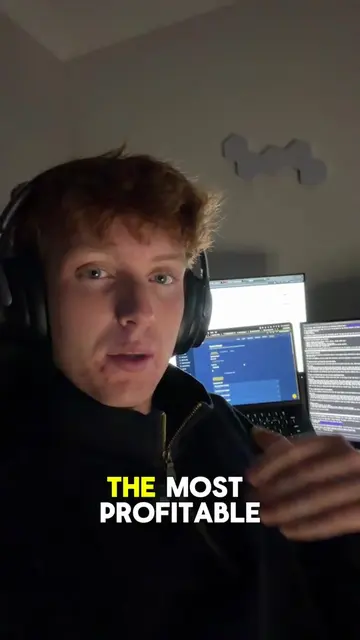
Every quant model?
@jsfinancials
11.6K followers · usually 1.7K views a post
Views
54.5K
Likes
4.1K
Comments
41
Shares
207
Why it worked
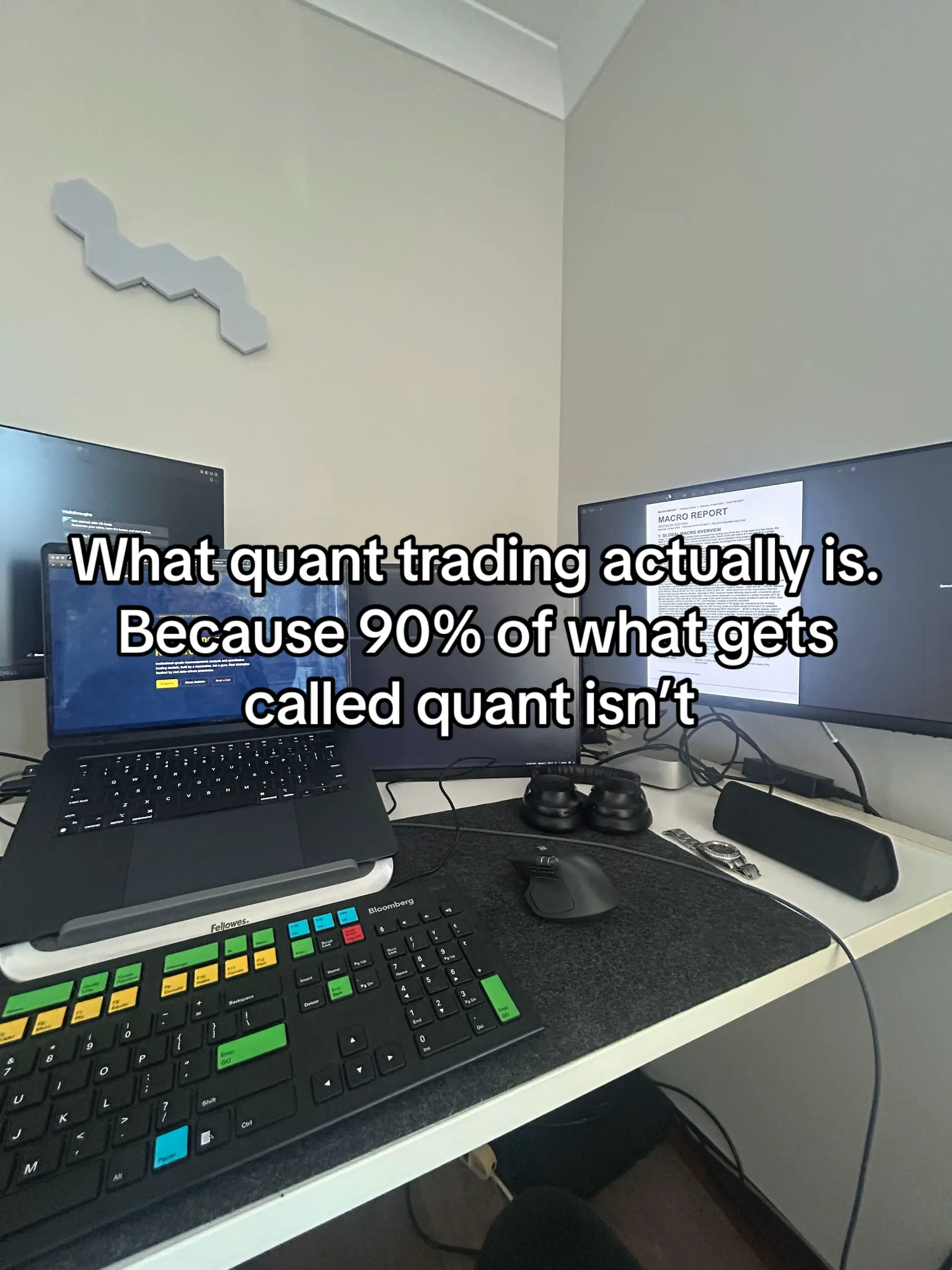
The video breaks down a complex quantitative trading strategy into understandable concepts with clear explanations and practical examples, making it accessible to a wider audience interested in finance and trading.
Summary
The video explains the concept of mean reversion in quantitative trading models. It details how to identify trading opportunities when the price spread between two correlated assets deviates significantly from its average, and how to use Z-scores and half-life to determine entry and exit points. The creator also touches on potential downsides and real-world applications of this model.
Structure
- 1Introduction to mean reversion trading model
- 2Explaining the core concept of mean reversion
- 3Mechanical application: identifying correlated assets and price deviations
- 4Using Z-scores and half-life for trade entry/exit
- 5Discussing potential downsides and real-world examples
On-screen text
Every quant model?
DAY ONE OF
TEACHING YOU EVERY
QUANT MODEL THAT
ACTUALLY GETS USED
STARTING WITH THE
MOST COMMON ONE
MEAN REVERSION
THE IDEA CAN
IN ONE SENTENCE
SOME PRICES WHEN
THEY MOVE AWAY
FROM A CERTAIN
LEVEL
TO THAT LEVEL
NOT ALL PRICES
AND NOT ALWAYS
AND THE IDEA
OF THE MODELS
KNOWING WHEN
THAT'S THE WHOLE
GAME SO MECHANICALLY
YOU FIND TWO
THINGS THAT MOVE
TOGETHER TWO BIG
BANKS AN ETF UM
AND IT'S BASKET
UH WHEN THE
GAP BETWEEN THEM
MOVES OR STRETCHES
WIDER THAN NORMAL
A CERTAIN PERCENTAGE
EXPENSIVE ONE AND
THEN YOU BUY
THE CHEAP ONE
GAP FOR THAT
GAP TO CLOSE
SO YOU'RE NOT
DIRECTIONAL
UH MODEL YOU'RE
BETTING ON
THE RELATIONSHIP BETWEEN
THOSE TWO CORRELATED
ASSETS
THE MATH IS
EVERYTHING THE FURTHER
THE SPREAD
STRETCHES FROM ITS
MEAN THE HARDER
IT PULLS BACK
YOU MEASURE THE
STRETCH IN STANDARD
SO THAT'S YOUR
Z SCORE AND
THE SPEED OF
THE PULL BACK
THAT'S THE HALF
LIFE SO STRETCH
Z SCORE YOU
ENTER BACK TO
OUT
AND THE HALF
LIFE TELLS YOU
YOUR HOLDING PERIOD
BEFORE YOU ENTER
THE TRADE
THIS EDGE EXIST
FORCE FLOW
FUNDS REBALANCING POSITIONS
BLOWING OUT PEOPLE
TRADING BECAUSE THEY
HAVE TO ESSENTIALLY
THEY NEED TO
GET A CERTAIN
UH LIQUIDITY BALANCE
UM
YOU GET PAID
TO
TRADE ESSENTIALLY UM
AND WAIT
THE DOWNSIDE OF
THIS MODEL UM
SOMETIMES THE UH
SOMETIMES THE UH
THAT MOVE UH
THAT OR THAT
RELATIONSHIP
DOESN'T ACTUALLY
AND YOU CAN
HAVE SOME PRETTY
EXPENSIVE LOSSES IN
SOME INSTANCES
ONE OF THE
MODELS IN THE
WORLD AND I
ACTUALLY CURRENTLY ONE
RUN ONE ON
THE AUD USD
USING YIELD DIFFERENTIALS
AS ONE OF
THE DRIVERS SO
THAT'S DAY ONE
Original caption
Let me know if you wanna see more of this #jsfinancials #quant #quanttrading #models #trading
More from @jsfinancials
More breakout videos from this creator.