Loading video…
All breakouts
10.8Silent UGCProblem Callout hookLifestyle
Hook
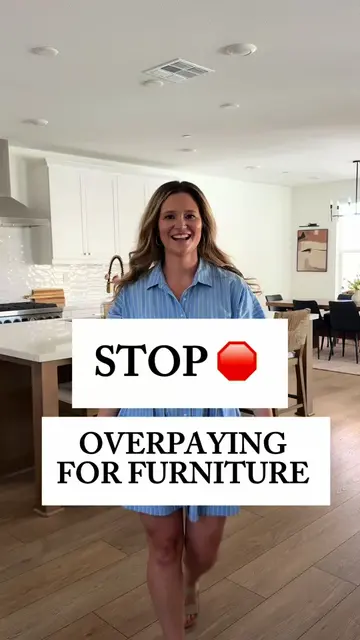
STOP OVERPAYING FOR FURNITURE
@designerfindsonadime
16.9K followers · usually 4.5K views a post
Views
47.5K
Likes
1.4K
Comments
69
Shares
302
Promoted product
—
Why it worked
The video effectively taps into the common desire for stylish home decor without the high cost, using a direct comparison format that clearly demonstrates value. The 'ours vs. theirs' structure with significant price differences creates a strong incentive for viewers to explore the creator's offerings.
Summary
The video showcases designer furniture pieces from brands like McGee & Co, Arhaus, West Elm, Pottery Barn, and Crate & Barrel, highlighting their high prices. It then presents more affordable alternatives from the creator's own collection, emphasizing significant cost savings and desirable features like being a bestseller or almost sold out.
Structure
- 1Introduce the problem of overpaying for furniture
- 2Show expensive designer furniture examples
- 3Present affordable alternatives from the creator's collection
- 4Highlight savings and product features
- 5Encourage viewer engagement
Product placement
McGee & Co: sells furniture. It ACTS as a comparison point for a more affordable alternative. Removing it would change the comparison.
Arhaus: sells furniture. It ACTS as a comparison point for a more affordable alternative. Removing it would change the comparison.
West Elm: sells furniture. It ACTS as a comparison point for a more affordable alternative. Removing it would change the comparison.
Pottery Barn: sells furniture. It ACTS as a comparison point for a more affordable alternative. Removing it would change the comparison.
Crate & Barrel: sells furniture. It ACTS as a comparison point for a more affordable alternative. Removing it would change the comparison.
OURS: This refers to the creator's own product line, which is presented as a more affordable alternative to the named brands. It ACTS as the product being sold. Removing it would remove the entire point of the video. The specific products are not named, but the collection is implied to be the creator's own brand.
Original caption
Luxury style doesn’t have to come with a luxury price tag. 🙌 We rounded up 8 designer-inspired finds that deliver the same high-end look for a fraction of the cost. From statement furniture to timeless home décor, these are the pieces that make your home look expensive, without blowing your budget. Which one would you add to your home first? 👇 ✨ Save this for your next home refresh.
More from @designerfindsonadime
More breakout videos from this creator.