Loading video…
All breakouts
16.6Talking HeadListicle hookCreator Economy
Hook
HOW WOMEN LIVE ♀ VS HOW MEN LIVE ♂
@liamkrbe
284.5K followers · usually 114.4K views a post
Views
3.8M
Likes
326.6K
Comments
12.9K
Shares
8.1K
Why it worked
The video likely resonated due to its relatable and slightly controversial take on gendered social norms, presented in a concise and engaging TikTok format. The use of a "stitch" format also likely contributed to its reach by tapping into existing conversations.
Summary
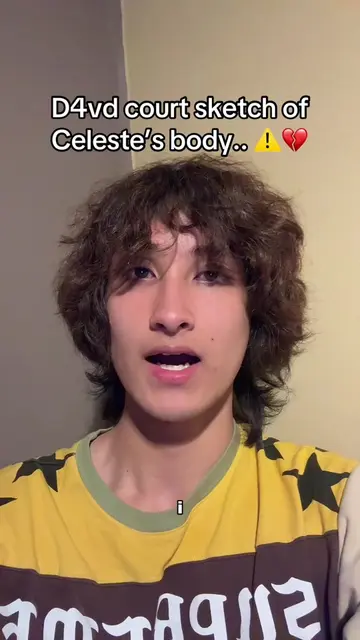
The video contrasts societal expectations for men and women regarding clothing, particularly on hot days. It argues that while men can be topless, women cannot, and delves into the etymology of the word "groom" to suggest a shared historical role, implying that the exclusion of this information is one-sided.
Structure
- 1Introduction of the contrast: women's vs. men's clothing choices
- 2Explanation of men's freedom to be topless vs. women's restrictions
- 3Critique of excluding information that shows men and women are similar
- 4Etymological explanation of "groom" to support the argument of shared roles
- 5Conclusion that excluding this information is unfair and "low"
On-screen text
HOW WOMEN LIVE ♀ VS HOW MEN LIVE ♂
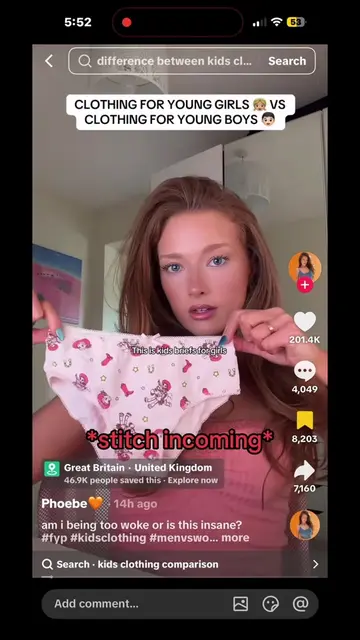
*stitch incoming*
This is what a woman has to wear walking down the street, even on a hot day
And this is what a man gets to wear when he's walking down the street on a hot day
They can be topless.
Women are not allowed to be topless.
making up reasons to be mad at us..
talking
let's
not act naive here.
being
a woman
topless
is completely
different
and
are
built
differently.
Women are bridesmaids.
Men are groomsmen.
Excluding info to
make us look worse..
at
you.
one
messed
right?
realise
research
the
groomsmen
literally
meant to say ("also means servent")
servant.
actually
same
for
phoebe
that
information
toss
side,
is
up.
information
that
the
maid
grooms.
literally
boat,
you
exclude
it's
enough
making
bait,
the
doing
believe
low.
guys
what do you guys think
Original caption
Why is it so one sided man.. #fyp #foryou #foryoupage #viral #creatorsearchinsights
More from @liamkrbe
More breakout videos from this creator.