Loading video…
All breakouts
29.2Talking HeadWarning hookLifestyle
Hook
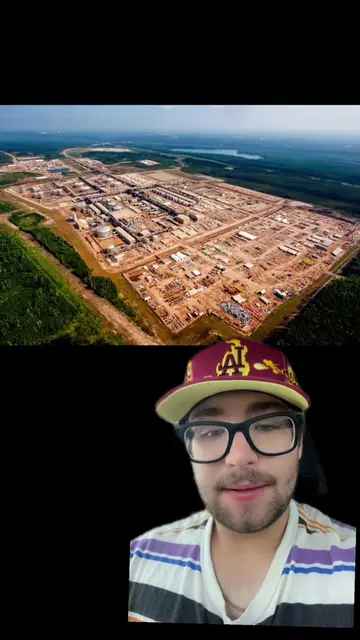
BREAKING NEWS WORKER DIES AFTER EQUIPMENT SINKS IN MUSKEG AT SUNCOR FORT HILLS SITE
@forgednorthmedia
2.6K followers · usually 2.0K views a post
Views
58.7K
Likes
1.4K
Comments
111
Shares
322
Why it worked
The video effectively combines a tragic news event with practical safety information relevant to a specific local audience, leveraging the creator's local knowledge and relatable warnings about a common environmental hazard.
Summary
A news report details a worker's death after equipment sank in muskeg at the Suncor Fort Hills site in Fort McMurray. The video then explains what muskeg is, its origins, and its prevalence in Fort McMurray, warning viewers to be cautious when riding trails due to hidden muskeg patches.
Structure
- 1News report of worker's death in muskeg
- 2Explanation of what muskeg is
- 3Prevalence of muskeg in Fort McMurray trails
- 4Warning about hidden muskeg patches
- 5Advice to ride with caution or avoid muskeg
Product placement
Suncor Fort Hills Site: This is the location where the incident occurred. It appears to be a large industrial site. Removing it would change the context of the news report. It merely appears.
Fort McMurray: This is the location of the incident and the focus of the discussion about trails. Removing it would change the context of the news report. It merely appears.
Wikipedia: This is the source of information about muskeg. Removing it would mean the information about muskeg would not be presented. It merely appears.
SnoRiders: This is the creator of the trail map. Removing it would mean the source of the map is unknown. It merely appears.
Call to action
Please either bring a second person with you so you can get yourself out of a sticky situation or avoid muskeg at all costs.
Original caption
Watch Out For Muskeg On The Fort McMurray Trails! #fortmcmurray #atv #muskeg #trails #albertanature
More from @forgednorthmedia
More breakout videos from this creator.