Loading video…
All breakouts
74.0Talking HeadContrarian hookEntertainment
Hook
Children don't need other kids
@diaryofaceoclip
889.7K followers · usually 12.8K views a post
Views
1.4M
Likes
113.3K
Comments
1.5K
Shares
32.8K
Why it worked
The video challenges a common assumption about early childhood socialization, presenting a potentially controversial but thought-provoking perspective that encourages engagement and discussion among parents and caregivers.
Summary
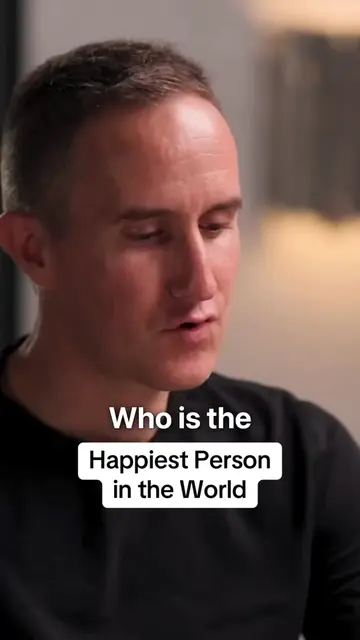
The speaker discusses child development, stating that children under three do not need interaction with other children and engage in parallel play. They emphasize the importance of one-on-one connection and attachment security for emotional needs. After age three, children begin to interact more, and the speaker debunks the myth that daycare is beneficial for socialization before this age, suggesting play dates and groups should still be supervised closely.
Structure
- 1Children under three engage in parallel play, not direct interaction.
- 2One-on-one connection and attachment security are crucial for young children.
- 3Children begin to interact with peers after age three.
- 4Daycare is not essential for socialization before age three.
- 5Supervised play dates and groups are recommended for young children.
On-screen text
Children don't need other kids
until the age of three.
They do something
called parallel play.
What they need
is one on one connection.
They need attachment security
their emotional needs met
by one person.
One on one.
After three,
then the beginning
then they start to
actually interact
Until then,
they're not playing together.
parallel play.
So that's another myth.
The myth that daycare
is good for children,
for socialization.
No.
Children don't need
socialization before three
unless their mothers
with them.
So what I say is
do play dates,
do play groups,
but be within
eye gaze or
earshot of a child.
Original caption
Do you agree?🤔@The Diary Of A CEO #diaryofaceo #podcasts #diaryofaceopodcast #stevenbartlett
More from @diaryofaceoclip
More breakout videos from this creator.