Loading video…
All breakouts Locked — upgrade to Pro to open.Open on TikTokPro
No preview available · watch on TikTok below
23.6Education
Post
Post by @academic.hub4
@academic.hub4
2.6K followers · usually 833 views a post
Views
21.2K
Likes
1.5K
Comments
10
Shares
40
We’re still analyzing this post.
Original caption
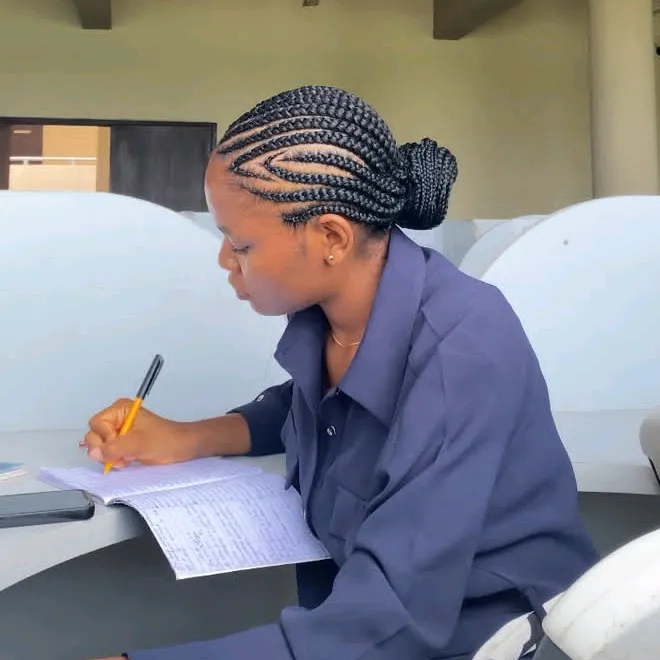
The difference between a student who gets an A and one who gets an E is D — details. The more detailed you are in your answers, the more marks you can get. And to be detailed, you can't be reading at surface level. Studying for a written/theory exam goes beyond just having an idea of a concept. You have to understand the concept well enough to write about it, mostly in your own words. So, you can't just tell ChatGPT or Claude to summarize your notes. If you're preparing for a theory exam, tell it to explain the concepts with relevant examples instead. That way, you're actually building your understanding rather than just reading a shorter version of your notes. Secondly, you need to study according to what your lecturer expects from you in the exam. Some lecturers like you to go straight to the point with a few relevant examples. Some like you to write as much as you can. And some want you to write almost word for word from their PDF. 😭 I don't personally like this type of lecturer, but I've learned to find a way to deal with their demands during exams. Because at the end of the day, knowing the subject isn't enough. You also need to know how to present what you know in a way that gets you marks. In Part 2, I'll share the study methods I use for theory exams. Follow for more and share with your study buddy ❤️ #studytok #examtips
More from @academic.hub4
More breakout videos from this creator.


