Loading video…
All breakouts
18.2Talking HeadContrarian hookHealth
Hook
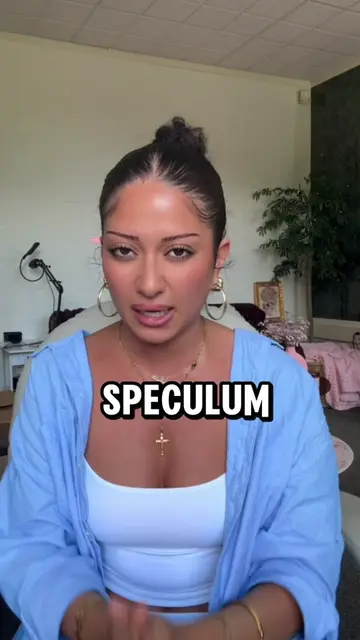
YOU'RE NOT Actually Having a Period While on the Pill
@gianamj
553.6K followers · usually 16.9K views a post
Views
306.1K
Likes
28.1K
Comments
399
Shares
1.3K
Promoted product
Combined birth control pill
Why it worked
The video addresses a common misconception about birth control and periods, providing a clear, science-based explanation in an accessible format. The creator's background as a biomedical engineer lends credibility, and the use of on-screen text helps reinforce the key points.
Summary
The video explains that the bleeding experienced during the placebo week of combined birth control pills is not a true menstrual period but withdrawal bleeding. It details the hormonal cycle and how birth control pills interrupt it, preventing ovulation and keeping the uterine lining thin. The creator clarifies that this withdrawal bleed is not biologically necessary and that taking active pills continuously can suppress it, which can be beneficial for individuals with conditions like endometriosis.
Structure
- 1Introduction: Bleeding on the pill is not a true period.
- 2Explanation of natural menstrual cycle and hormones.
- 3How birth control pills interrupt the cycle.
- 4The nature of withdrawal bleeding vs. a true period.
- 5Why placebo pills exist and the historical context.
- 6Benefits of continuous pill use and consulting a doctor.
Original caption
If you take a combined birth control pill, the bleeding you experience during the placebo or “sugar pill” week is not actually a true menstrual period, it’s withdrawal bleeding. Let’s talk about the difference, why placebo pills exist, and why that monthly bleed isn’t medically necessary. #fyp #fypシ #birthcontrol #femalehealth
More from @gianamj
More breakout videos from this creator.