Loading video…
All breakouts
7.4Talking HeadOther hookHealth
Hook
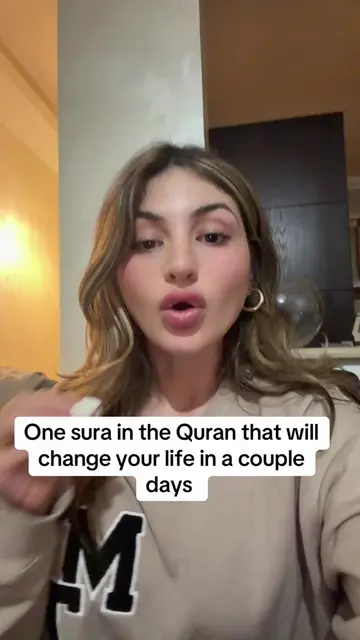
أكبر عقاب للإنسان اللي ظلمك من رب العالمين
@afnan_dahbour
1.8M followers · usually 40.3K views a post
Views
177.2K
Likes
10.3K
Comments
162
Shares
1.4K
Why it worked
The video taps into a deeply held belief system about justice and divine retribution, using a relatable concept of 'good deeds' being transferred to explain the consequences of wrongdoing. The personal and emotional delivery, combined with the relatable topic, likely resonated with viewers.
Summary
The speaker discusses the concept of divine punishment, stating that the greatest punishment for someone who has wronged others is the absence of punishment, implying that their good deeds will be transferred to those they wronged. The speaker emphasizes the importance of seeking forgiveness and not assuming divine favor after causing harm.
Structure
- 1Introduction of the concept of divine punishment for injustice
- 2Explanation that the absence of punishment is the greatest punishment
- 3The transfer of good deeds to the wronged party
- 4The importance of forgiveness and seeking repentance
- 5A prayer to be spared from such a fate
On-screen text
أكبر عقاب للإنسان اللي ظلمك من رب العالمين
Transcript
أكبر عقاب للإنسان اللي ظلمك من رب العالمين بتعرفوا شو أكبر عقاب من رب العالمين للإنسان اللي ظلمك؟ إنه ما يكون في عقاب. كتير منا بنفكر إنه الإنسان اللي ماشي بحياته كانه ما صار شي هو فاز وهو انتصر. بتعرفوا انه بالدين رسول الله صلى الله عليه وسلم قال انه في ناس رح يكونوا على أبواب الجنة وما بفوتوا لانه كانوا يصلوا ويصوموا ويتصدقوا بس ظلموا أشخاص، جرحوا، حكوا عن أشخاص. ولانه هذا الشخص اللي ظلم ما سامحهم بالدنيا، شو صار؟ كل حسناتهم راحوا لكم انتم. يعني بكون ما عندهم ولا حسنة. بتعرفوا شو أكبر عقاب من رب العالمين؟ إنه الإنسان يفكر إنه ربنا تركه، إنه ربنا سامحه. ليش عشان ما يستغفر، عشان ما يرجع. عشان ما يجوا ويتأسفوا للشخص اللي ظلمك. لانه من عقوبة رب العالمين إلنا لما نجرح بني آدم، إنه الإنسان اللي ان جرح، بيسامحك. فلما الإنسان ما يجي ويتأسف وما يحاول إنه يرجعكم ويفكر إنه ربنا خلاه ينتصر. هاي أكبر عقاب من رب العالمين لهم. فيا رب ما نكون من هدول الأشخاص.
More from @afnan_dahbour
More breakout videos from this creator.