Loading video…
All breakouts
1.0KTalking HeadBefore / After hookEducation
Hook
The way you write emails tells people how senior you are
@jamespercysmith
6.0K followers · usually 444 views a post
Views
453.3K
Likes
8.4K
Comments
259
Shares
1.0K
Why it worked
The video taps into a common professional experience and offers practical, actionable advice on improving communication, making it relatable and shareable.
Summary
The video discusses how the way emails are written can indicate a person's seniority. It suggests that starting emails with "Hope you're well" can be filler and that leading with the main point is more considerate for busy professionals.
Structure
- 1Introduction: Email writing reflects seniority
- 2Critique: "Hope you're well" can be filler
- 3Alternative: Lead with the main point
- 4Example: Direct and actionable email opening
On-screen text
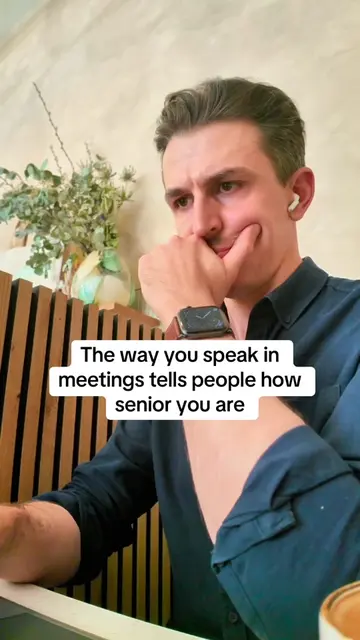
The way you write
emails tells people
how senior you are
Original caption
Your emails are a written record of how you think. And for ambitious professionals, they could be costing you more credibility than you realise. 1. Starting every email with “Hope you’re well” It’s not always warmer. Sometimes it’s just filler. When someone is dealing with hundreds of emails, getting to the point can actually be the more considerate option. Instead of burying the reason you’re writing, lead with it: “Two things I need from you before Thursday…” Clear. Direct. Easy to act on. 2. Ending with “Please let me know your thoughts” Open-ended questions create work for the person reading them. Make the next step obvious. Instead of: “Please let me know your thoughts.” Try: “Does Thursday at 2pm work, or would Friday be better?” Specific asks get specific responses. Vague asks get ignored. 3. Overexplaining your reasoning Three paragraphs before you finally make the request can make you sound less confident, not more thorough. You don’t need to build a legal case for why your request is valid. Lead with what you need. Add context afterwards if it’s useful. “I need sign-off on this by Wednesday. I’ve included the background below.” That’s it. Strong professional communication isn’t about sounding impressive. It’s about making yourself easy to understand, easy to trust and easy to respond to. Save this before you write your next important email. Which of these are you guilty of? 👀 #communication #communicationskills #careeradvice #leadershipskills #emailtips
More from @jamespercysmith
More breakout videos from this creator.