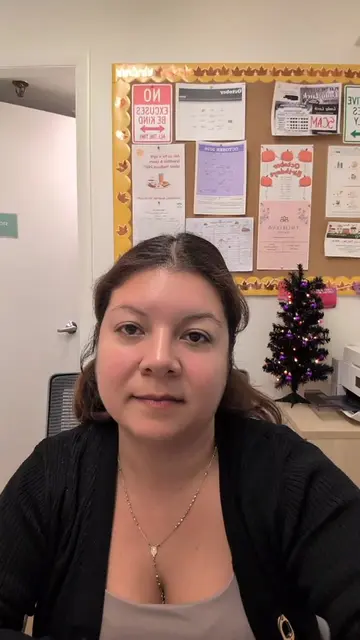
Loading video…
All breakouts
122Talking HeadOther hookEducation
Hook
Friendly neighborhood Case Manager here once again.
@natyan86
3.3K followers · usually 378 views a post
Views
45.0K
Likes
4.2K
Comments
168
Shares
1.8K
Why it worked
The video provides high-value, actionable information on a complex and stressful topic, positioning the creator as a helpful authority while offering a clear, step-by-step process for viewers to follow.
Summary
The creator provides educational advice on how to find and apply for affordable housing through the Low-Income Housing Tax Credit (LIHTC) program. She outlines specific questions to ask property managers and resources to use for the search.
Structure
- 1Introduction to LIHTC housing
- 2Explaining AMI and income limits
- 3Clarifying rent calculation and subsidies
- 4Resources for finding properties
- 5Three questions to ask leasing offices
- 6Warning for college students
Call to action
Save this for your housing search and share it with somebody who needs it.
On-screen text
Friendly neighborhood Case Manager
LIHTC = rent-restricted apartments
AMI = income limits
Layered subsidy = potentially income-based rent
resources.hud.gov, affordablehousing.com and huduser.gov
One. Is your tax-credit waitlist open?
Two. Do you have units with rental assistance, like Project-Based Vouchers or project-based rental assistance?
Three. How do I apply to those specific units?
Original caption
STOP WAITING ON JUST ONE HOUSING WAITLIST! LIHTC could open another door to affordable housing! You may be able to apply directly to income-restricted apartment communities, and some even have rental assistance that can lower your share of the rent. ✨ Know your AMI. ✨ Ask about income limits and actual rent. ✨ Ask about layered subsidies. ✨ Check those waitlists! Save this for your housing search and share it with somebody who needs it. 💜 Always verify eligibility, current rents, and waitlist status directly with the property. #AffordableHousing #LIHTC #Section8 #HousingResources #casemanager
More from @natyan86
More breakout videos from this creator.