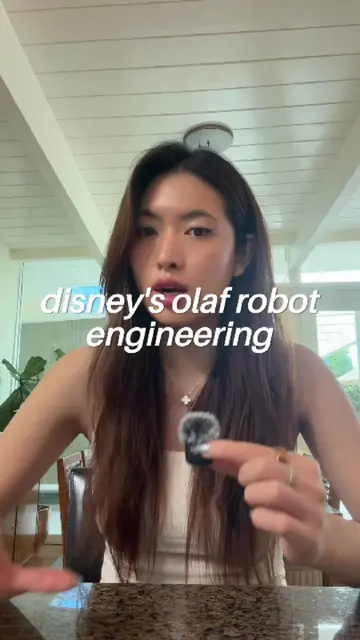
Loading video…
All breakouts
7.9Talking HeadHow-To hookSaaS
Hook
take a look at these two videos
@zauey
118.5K followers · usually 31.8K views a post
Views
290.6K
Likes
37.8K
Comments
569
Shares
6.0K
Why it worked
The video likely performed well due to its engaging topic of advanced robotics and the visual comparison between two years of technological progress. The explanation of complex concepts like state estimation and contact transition control in an accessible way, using relatable analogies and clear examples, would have resonated with viewers interested in technology and AI.
Summary
The video explains the advancement in robot locomotion from 2025 to 2026, highlighting the difference between pre-programmed movements and real-time adaptive control. It details concepts like state estimation and contact transition control, showcasing how robots have become significantly more capable of handling dynamic environments and movements.
Structure
- 1Introduction to robot performance in China
- 2Explanation of state estimation and its importance
- 3Comparison of 2025 vs. 2026 robot capabilities
- 4Discussion of contact transition control
- 5Conclusion on future implications of advanced robot movement
Product placement
The video discusses the technology behind robots performing complex movements, using footage from Chinese New Year TV events in 2025 and 2026 as examples. It explains concepts like state estimation and contact transition control, which are crucial for robots to move dynamically and maintain balance.
On-screen text
2026
2025
2025
2026
STATE ESTIMATION
2025
2026
2025
2026
2025
2026
Original caption
Explaining the tech behind the viral chinese new year robot performance 🤖🧠 From 2025 to 2026, robots went from scripted steps to real time adaptive movement - meaning they’re now computing balance, momentum, and landing simultaneously State Estimation: robot constantly figuring out where its own body is in space from imperfect sensors Contact Transition Control: when a foot hits the ground, it creates a sudden force spike. The robot has ~10ms to detect it, switch control modes, and absorb the impact #unitree #chinesenewyear #robotics #entrepreneur #TikTokLearningCampaign
More from @zauey
More breakout videos from this creator.