Loading video…
All breakouts
45.2App DemoOther hookAI Tools
Hook
I've spent over a year building my perfect Claude code setup.
@codenameposhan
14.7K followers · usually 7.7K views a post
Views
307.6K
Likes
15.4K
Comments
176
Shares
2.6K
Why it worked
The video provides high-value, actionable technical content that solves a specific pain point for developers, making the product mention feel like a natural extension of the workflow rather than a forced advertisement.
Summary
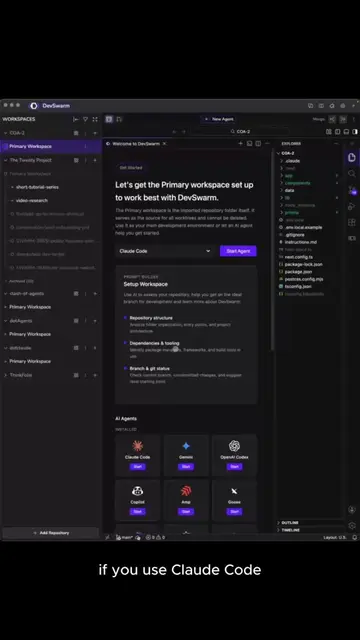
The creator demonstrates a highly customized Claude Code setup that uses modular rules, specialist AI agents, and automated workflows to improve software development. He concludes by showcasing DevSwarm, an environment that allows for running multiple isolated branches in parallel.
Structure
- 1Introduction to the custom Claude Code setup
- 2Explanation of safety hooks and modular rules
- 3Overview of specialist AI agents for code review
Original caption
I’ve spent over a year building my perfect Claude setup, and this is what it turned into. #AIEngineering #ClaudeCode #DeveloperTools #SoftwareEngineering #devswarm
More from @codenameposhan
More breakout videos from this creator.