On-screen text
Kalshi
DERIVATIVES MARKET
Farmer sells futures contract
1,000 BUSHELS
@$3 = $30,000
@$5 = $50,000
@$7 = $70,000
Kellogg's BUYS
MARKET
BUYS: EVENT CONTRACT
UNDER $5: 40% ODDS
OVER $5: 60% ODDS
Q1 2026
The Setter 30
Rank Issuer Business Activity
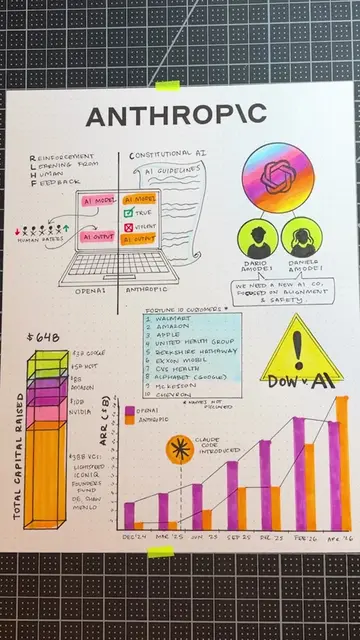
1. Anthropic Frontier AI Lab
2. SpaceX Space, Connectivity, and Frontier AI Lab
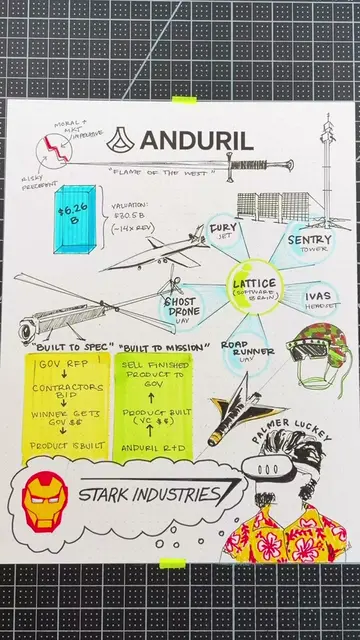
3. Anduril Defense Tech
4. Stripe Payment Platform
5. OpenAI Frontier AI Lab
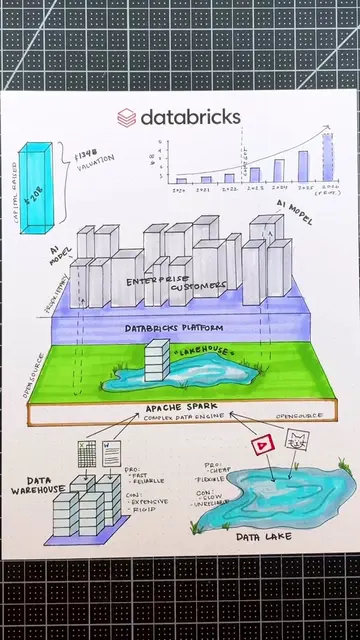
6. Databricks Data Analytics Platform
7. Polymarket Crypto Prediction Market
8. Revolut Neobank and Payments Platform
9. ElevenLabs AI Voice Generator & Agents Platform
10. Neuralink Brain-Computer Interface Company
11. Kalshi Prediction Market and Event-Contract Platform
12. ByteDance Social Media Platform
13. Shield AI Defense Autonomy Software
14. Cursor (Anysphere) AI Software Development Platform
15. Ramp Corporate Spend and Expense Management
16. Canva Online Graphic Design Platform
17. Replit AI Software Creation Platform
18. OpenEvidence Clinical AI Assistant
19. Crusoe Energy AI Data Center Operator
20. The Boring Company Tunneling Infrastructure
21. Saronix Autonomous Naval Defense
22. Cerebras AI and Computer Hardware
23. Figure AI Humanoid Robotics Company
24. Deel Global Payroll and HR Platform
25. Kraken Cryptocurrency Exchange and Services
26. Lovable AI Application Development Platform
27. Apptronik Humanoid Robotics Company
28. Perplexity AI Search Engine
29. Lambda AI Hardware and Cloud Solutions Company
30. Harvey Legal AI Platform
This is part six in our Charts & Crafts series on the most valuable private tech companies.
Luana, a Brazilian professional ballerina, and Tarek, a Lebanese American math whiz, crossed paths at MIT.
An internship at Bridgewater for her, one at Goldman for him.
They interned together at Citadel and then decided to join forces to build Kalshi, the first regulated prediction market in 2018.
To understand the business, you need to first understand America's weird history with betting.
Betting in the US used to be illegal.
In 2018, the Supreme Court changed that, specifically for sports.
Americans now bet $100 billion a year on sports.
But for other things like election, interest rates, the weather, no legal market existed.
Weirdly though, a huge parallel market did exist on Wall Street, the derivatives market.
It works like this: Say a corn farmer in Iowa has 10,000 bushels of corn worth $50,000 today, but in six months prices could drop to $3—he'd lose $20,000.
Meanwhile, Kellogg's, the buyer, is worried prices of corn go up to $7 instead, so he sells a futures contract for $5 today, which they buy happily.
Both sides hedge risk, completely legal, federally regulated.
Kalshi brings that same model to everyone.
Take a family-run tortilla maker in Texas.
Corn is their biggest cost, it's too small for the derivatives market, so they buy a Kalshi event contract instead, where they bet that the price of corn will spike.
If they're right, the contract pays out and cushions the financial blow.
Similar mechanism, but a whole new market.
While their biggest competitor, Polymarket, went offshore and on crypto, Kalshi spent two full years during the pandemic asking for federal permission.
Tarek was actually in Beirut during the port explosion when it killed 200 people.
During the day, he pulled people from rubble, at night he wrote federal filings.
In November 2020, they became the first federally regulated prediction market in US history, letting people trade on everything from the Fed rate to the Oscars to hurricanes.
Election betting is the big prize, but the government kind of stiff-armed them on it, so Luana sued the regulators.
In September 2024, they won right before the US presidential election, when it went live.
They did over a billion dollars in transactions on that event alone.
The growth after that is a hockey stick.
Slow growing until 2024, then from $2 billion to $24.2 billion last year and still accelerating.
Winning in federal court didn't end the fight. It started new ones in many states.
Nevada, Ohio, and Arizona all suing.
Beyond the court, critics also worry that letting people profit from elections can create dangerous incentives.
Investors bet on it anyway.
$2.6 billion raised at a $22 billion dollar valuation just this month.
$1.2 billion in annualized revenue.
Luana is now the youngest self-made female billionaire in the world at age 29.
But the company she and Tarek built is still fighting in court whether it should even exist.
Which company should we cover next?