Loading video…
All breakouts
10.0Talking HeadDirect Question hookAI Tools
Hook
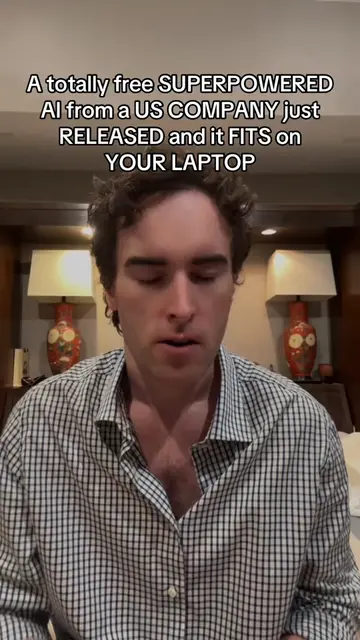
Did we just SOLVE the BIG PROBLEM with DATA CENTERS?! There's an implication people are MISSING!
@gigaqian
141.3K followers · usually 19.8K views a post
Views
202.4K
Likes
14.2K
Comments
1.1K
Shares
1.7K
Promoted product
—
Why it worked
The video effectively highlights a significant problem (energy consumption in data centers) and presents a novel, visually interesting solution (alien coral-like cooling fins). The use of clear metrics (32% better cooling, PUE of 1.011) and relatable analogies (boiling water, human hair thickness) makes the complex topic accessible and impactful. The mention of a specific company (Fabric8Labs) and university research adds credibility.
Summary
This video discusses a breakthrough in data center cooling technology developed by engineers at the University of Illinois in partnership with Fabric8Labs. By using topology optimization and 3D printing with copper, they've created cooling fins that are significantly more efficient, potentially reducing energy consumption for cooling by up to 30%. This advancement could solve a major problem for AI data centers and eliminate the need for water-intensive cooling systems.
Structure
- 1Introduction to the problem of data center cooling
- 2Explanation of traditional cooling methods (air and liquid)
- 3Introduction of the new topology-optimized fins
- 4Details on the manufacturing process (3D printing, copper plating)
- 5Results: improved cooling efficiency and reduced energy consumption
- 6
Original caption
Engineers at the University of Illinois had a breakthrough that can help change the way we cool data centers! They partnered with Fabric8Labs in San Diego and are pushing this new tech forward. We might be solving the biggest problem with AI data centers in real time! #breakingnews #datacenters #newtech #futuretech #gigaqian
More from @gigaqian
More breakout videos from this creator.