Loading video…
Sound

original sound - the_rare_podcast
The Rare Podcast · Original audio
0:00–:––
Playing this video’s own audio, so you’ll hear the creator over the sound.
We didn’t find a product being promoted in this video. Its hook, format and structure below still show why it took off.
Browse products winning on TikTokThe video uses a compelling, high-stakes medical topic and simplifies complex biological concepts through relatable analogies, making it highly shareable for a general audience.
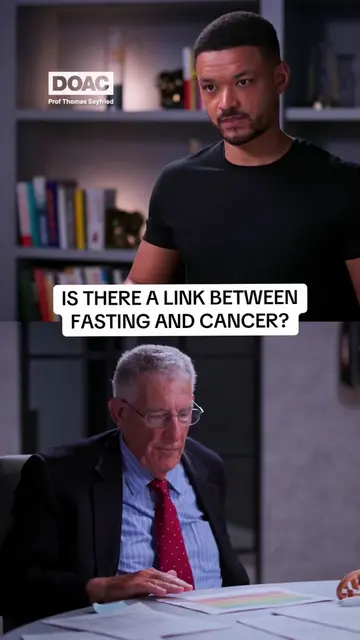
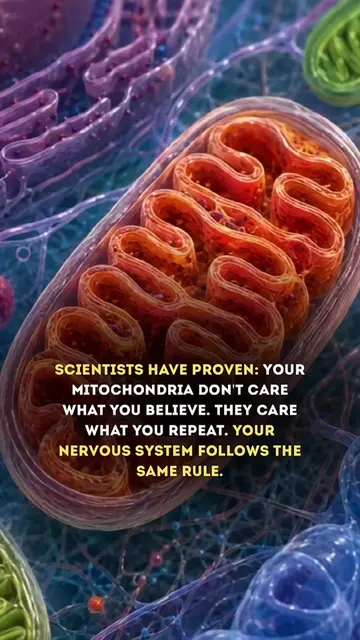
This video features a conversation between two men discussing the biological connection between mitochondria and cancer. They explain the Warburg effect and how cancer cells prioritize self-preservation over the collective health of the organism.
How Mitochondria Influence Cancer Risk . . . #podcasts #thediaryofaceo #cancer #mitochondria #wellness
How Mitochondria Influence Cancer Risk
Introduction to the topic of mitochondria and cancer
Explanation of the Warburg effect
Analogy of cancer cells as selfish aliens
Discussion on why tumors trigger angiogenesis
Definition of energy resistance in biological systems
Playing this video’s own audio, so you’ll hear the creator over the sound.
Promotes 1 product. Create free account to see more.
Outliers and viral hits: their videos on Overshot, all time.