Going to Japan for one month made me Miss Mormonism so much, it made me cry. Let me explain.
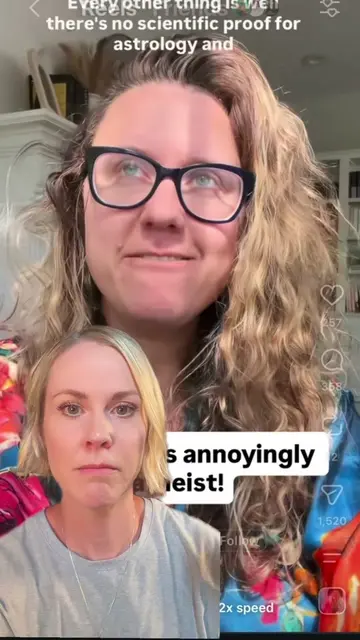
The west consistently gets incorrect about Chinese atheism.
Is that Chinese atheism does not look like western atheism.
In the exact same way that Chinese religion looks nothing like western religion.
And the way that I can explain this best
is the way the west practice religion is written in this idea of orthodoxy,
which is simply the idea of the right belief. Okay? Everybody gets together like, no,
my religion is correct. We're gonna fight in heaven.
Okay, China's different, okay?
We believe that we're from proxy, which is technically right practice.
But in China, we define good is also not like a good versus evil perspective
as much as kind of more like drama,
being straight versus being a crooked event.
We are looking to reach alignment.
And the way that we talk about religion in China,
like the way the west would define religion, confusions and dozens govern our society still,
even though we're atheist, right?
Technically atheist. But the way that China defines atheism itself is just that
there's no belief in a personal god. But we do believe in
confucianism, that was Buddhism. It's a little bit different because we believe that like
confucianism governs the body, Buddhism governs the mind.
And it's so deeply entrenched in our language, you can't separate it anymore.
And even more so, we engage in so many traditions, cultural practices, festivals,
right? Like family gatherings. We believe in ancestry.
Now, first of all, before you come at me, I know that there's a big difference between China and Japan.
I know religiously that they're different.
Even the Buddhism is different,
because in China, Buddhism mixed with Confucianism and Taoism.
And in Japan, It mixed with Shintoism,
so you even get different buddhisms.
But all I'm saying is that she perfectly described to me
this ache that I had when I went to Japan.
It was this deep wound that I have that the people there,
no matter what they believed,
could participate in their cultural and family traditions.
And I can't because of how religion is set up in the west.
So when I say it made me Miss Mormonism,
you know, it didn't make me miss purity culture or beliefs about Joseph Smith
or any of the crazy things
or the temple or any of that.
What it made ME miss was because my beliefs changed.
It means that it's severed this connection that I have with my community,
with my friends, and with my family.
That still hurts me to this day.
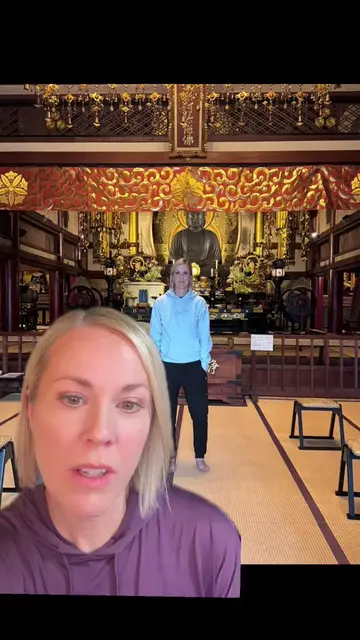
So when I walked through this temple,
specifically this. This Shinto temple,
where you can just feel down in your bones,
you can feel the ancestry, you can feel the culture, you can feel the rituals,
you can feel the tradition,
um, you can feel the festivals.
Like, you can feel all of it.
And then it goes for generations, and you're part of something.
And to know that I can't have that with my own ancestry
because what mattered was correct belief,
it may be really sad. It really broke something in me.
So when I say I miss Mormonism or I miss Christianity,
most of it I actually don't miss,
but what I do miss is that, uh,
my kids don't get the same rights of passage
and the communal support for those rights of passage as their cousins do.
Um, there are dinners,
there are Sunday dinners where they're eating my grandma's funeral potatoes,
and I'm not invited to that dinner.
Or I can't participate in the rituals that come with that dinner.
Or there are marriages that I want to attend in my family
that I'm not allowed to attend.
Or there's holidays that I want to celebrate, cause I wanna celebrate the,
the holidays and rituals of my ancestors,
but it's Easter and I don't believe in the resurrection.
So by being an atheist in America,
it takes much more out of you than being an atheist in the east,
because in the east, you can still participate in your culture and your ancestry
and even in religions. Uh,
but in America, the second that I became an atheist,
I lost a lot culturally, because in the west,
what matters is correct beliefs.
And because I don't have correct beliefs,
it cut me off from a lot of things that I really miss.
And that does make me sad.
And this is the cost of having religions built on faith,
because if your faith changes,
then you lose some of the good stuff of religion
that really didn't have to be lost.
Like, we could have untangled that the east untangled that.
But because we focused on faith and correct belief,
we lost a lot. As we're deconstructing religion.
That was actually really good. That. That I really envied.