Loading video…
All breakouts
8.4Talking HeadPOV / Skit hookFinance
Hook
POV: NO CARE FOR HORRIBLE PEOPLE
@cdatgirl32
664.7K followers · usually 1.8K views a post
Views
15.4K
Likes
3.8K
Comments
158
Shares
168
Why it worked
The video likely resonated due to its contrarian and provocative stance on a widely accepted social norm. It taps into a desire to speak honestly about people, even after death, which can be a cathartic or validating sentiment for some viewers.
Summary
The video presents a controversial take on how to speak about deceased individuals. It argues that if someone was a horrible person in life, there's no obligation to speak well of them after death.
Structure
- 1Introduction of the premise: no care for horrible people.
- 2Stating the common saying about not speaking ill of the dead.
- 3Challenging that saying.
- 4Justification: they should have been good while alive.
- 5Conclusion: if they were decent, you'd have more to say.
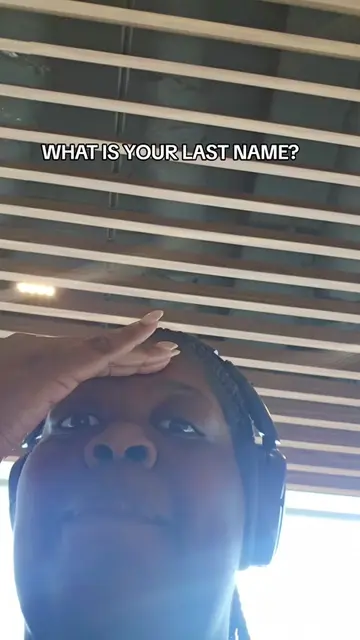
On-screen text
POV: NO CARE FOR HORRIBLE PEOPLE
YOU CAN'T TALK ABOUT THE DEAD.
YOU SHOULDN'T TALK ABOUT THE DEAD.
DON'T TALK BAD ABOUT THE DEAD.
THEY SHOULD HAVE BEEN GOOD WHILE
THEY WERE ALIVE.
WOULDN'T HAVE MUCH
TO SAY IF
THEY WERE A
DECENT HUMAN BEING.
Transcript
You can't talk about the dead. You shouldn't talk about the dead. Don't talk bad about the dead. They should have been good while they were alive. Wouldn't have much to say if they were a decent human being.
Original caption
Aint no rewriting history over here.
More from @cdatgirl32
More breakout videos from this creator.