Loading video…
Sound

original sound - doctymart
doctymart · Original audio
0:00–:––
Playing this video’s own audio, so you’ll hear the creator over the sound.
Hook
Posted Jul 14, 2026Video · 1:57by @doctymart
We didn’t find a product being promoted in this video. Its hook, format and structure below still show why it took off.
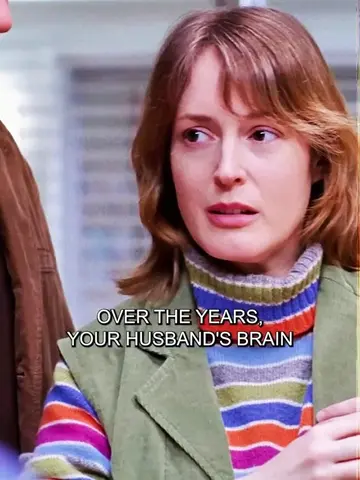
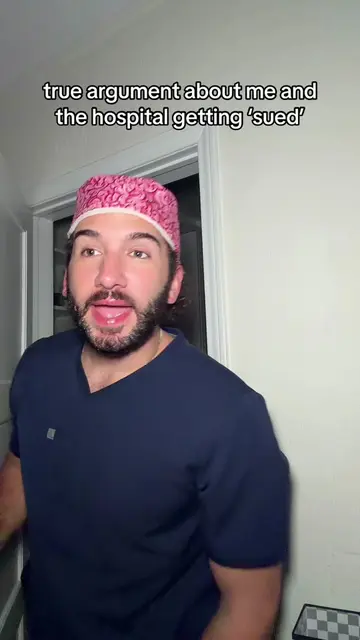
Browse products winning on TikTokThe video uses a dramatic and emotionally charged medical scenario to capture viewer attention. The narrative structure, focusing on a patient's terrifying experience and the subsequent investigation, creates suspense and engagement, making it highly shareable.
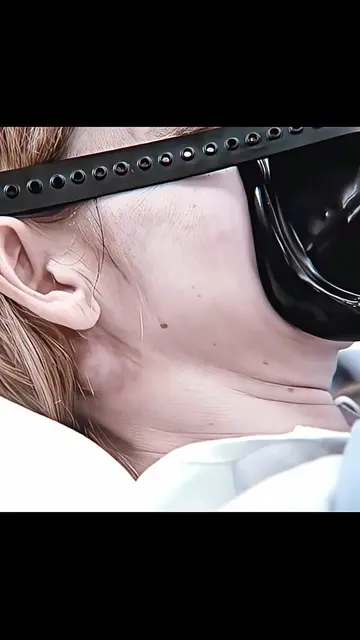
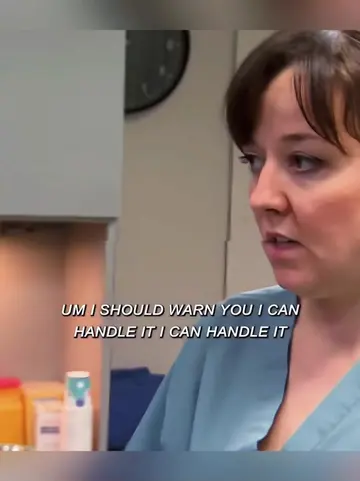
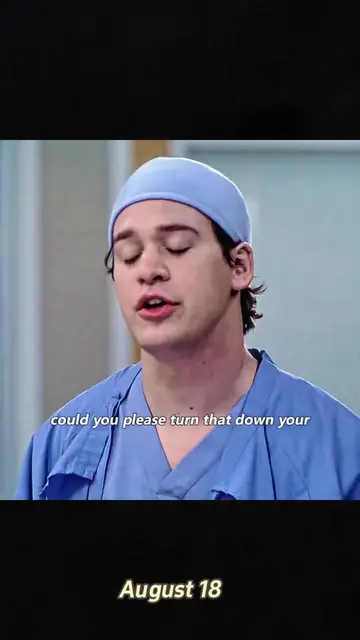
A patient wakes up during surgery due to a rare blood type affecting anesthesia metabolism, leading to a medical malpractice incident. The doctors initially blame each other, but a drug test reveals the patient's condition, necessitating a second surgery performed by a more trusted doctor.
In the real medical world, what Leslie experienced is known as Anesthesia Awareness or Accidental Awareness under General Anesthesia (AAGA). It is estimated to occur in roughly 1 to 2 out of every 1,000 general anesthesia cases. When a patient "wakes up" mid-surgery, it usually comes down to a few distinct physiological or pharmacological reasons: 1. Rapid Drug Metabolism (Pharmacokinetics) Just like in the show, some people have genetic variations—specifically involving the cytochrome P450 (CYP) family of liver enzymes—that cause them to break down medications abnormally fast. If an anesthesiologist administers a standard dose based on weight and age, a rapid metabolizer's liver clears the drug from the bloodstream long before the next scheduled dose, causing them to drift back into consciousness. 2. UndSometimes, keeping a patient fully unconscious is actually more dangerous than the risk of them waking up. Anesthesiologists may intentionally run "light" anesthesia in high-risk scenarios: Emergency Trauma Surgery: If a patient has lost massive amounts of blood, heavy anesthesia can dangerously tank their blood pressure. Emergency C-Sections: Doctors use the lowest safe dose of general anesthesia to prevent the drugs fromer-Dosing for Patient Safety crossing the placenta and heavily sedating the baby. 3. Equipment Malfunction or Human Error In rare instances, a vaporizer delivering anesthetic gas might run empty, an IV line delivering intravenous sedatives could become dislodged or blocked, or a calculation error occurs in matching the drug dose to the patient's physical needs.In the real medical world, what Leslie experienced is known as Anesthesia Awareness or Accidental Awareness under General Anesthesia (AAGA). It is estimated to occur in roughly 1 to 2 out of every 1,000 general anesthesia cases.
WHAT IS--WAIT, WAIT, WAIT. DID I JUST FEEL MOVEMENT?
Patient wakes up during surgery
Doctors are baffled and blame the anesthesiologist
Patient recounts the terrifying experience
Anesthesiologist investigates and finds a rare blood type
Patient requires a second surgery and trusts a different doctor
ABC STUDIOS PRODUCTION: This is a production company logo that merely appears. Removing it would not change what happens in the video. KEVIN MCKIDD: This is an actor's name that merely appears. Removing it would not change what happens in the video. CAPSHAW: This is an actor's name that merely appears. Removing it would not change what happens in the video. PATRICK: This is an actor's name that merely appears. Removing it would not change what happens in the video. EXECUTIVE PRODUCER ALLAN HEINBERG: This is a credit that merely appears. Removing it would not change what happens in the video.
Playing this video’s own audio, so you’ll hear the creator over the sound.
Outliers and viral hits: their videos on Overshot, all time.