Loading video…
All breakouts Locked — upgrade to Pro to open.Open on TikTokPro
No preview available · watch on TikTok below
3.9Lifestyle
Post
Post by @summer.walk
@summer.walk
146.1K followers · usually 23.3K views a post
Views
90.5K
Likes
4.2K
Comments
72
Shares
70
We’re still analyzing this post.
Original caption
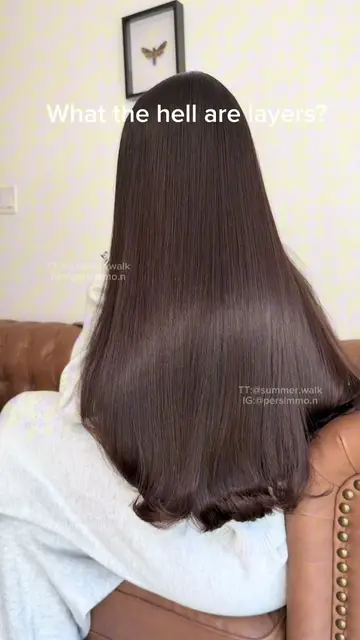
Everyone loves to blame the straightener, or get surprised why their hair is damaged when they don't even use heat. Poor diet - hair needs nutrients to grow strong. Low protein, iron, zinc, and an overall unbalanced diet can contribute to weaker, more fragile hair. Air drying — leaving hair wet for long periods can make the hair shaft swell and become more prone to damage. Hard water - depending on where you live, your water may be high in minerals like calcium and magnesium. Over time, these minerals can build up on your hair, leaving it feeling rough, dry, dull, and harder to manage. If you live in an area with hard water, a shower filter can help reduce mineral buildup and improve how your hair feels. Skipping conditioner and hair masks - without proper conditioning, hair can become rough, dry, and more vulnerable to breakage. Brushing wet hair aggressively — wet hair has more stretch and is easier to break. Use gentle techniques and the right tools. Squeezing or twisting wet hair — when hair is wet, it is in its most fragile state. Rough handling can create unnecessary stress on the strands. Rubbing your hair with a towel - friction can lift the cuticle, causing more frizz, roughness, and breakage. Sleeping with wet or loose hair - wet strands combined with friction from your pillow can increase the chance of breakage and tangling. Tight hairstyles - constant tension from tight ponytails, buns, or braids can weaken the hair around the hairline. Washing your hair length aggressively - your scalp needs cleansing, your length needs conditioning. Brushing incorrectly - forcing through tangles from the roots down puts unnecessary tension on your hair. Start from the ends and work your way up. Heat is not the only thing that damages hair. Excessive, unprotected heat can cause damage, but so can the small habits we repeat every day. Healthy hair is not about avoiding one thing. It is about minimizing damage from everything. #hairtok #haircare #healthyhair #glasshair #shinyhairroutine
More from @summer.walk
More breakout videos from this creator.