Loading video…
All breakouts
 8 videos
153Silent UGCStory Open hookSaaS
Hook
I gave my CTO a $250K salary and 5% equity. He delivered a platform full of bugs.
@kristinasubbotina.esq
7.0K followers · usually 513 views a post
Views
77.8K
Likes
770
Comments
114
Shares
337
Promoted product
Lexsylexsy.ai
Legal operating system for startups and their investors. AI infrastructure, expert lawyers, formation to exit.
Why it worked
The video pairs a high-stakes, relatable business horror story with a 'wealthy lifestyle' aesthetic, creating a strong curiosity gap that drives viewers to check the creator's profile.
Summary
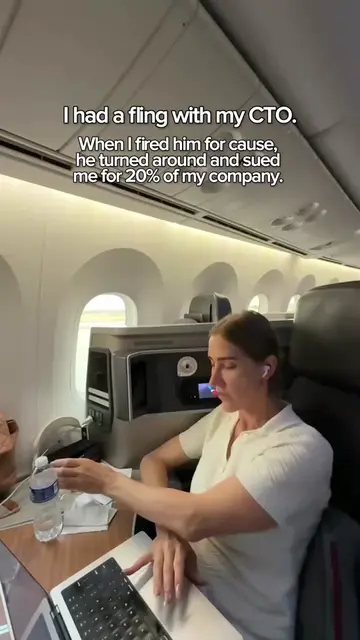
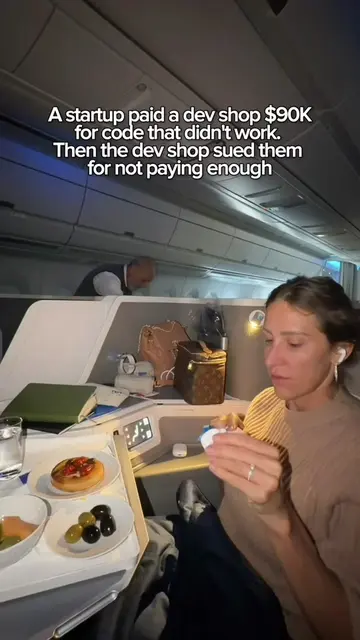
A founder shares a personal story about a bad CTO hire while filming herself applying skincare in a first-class airplane seat. The video uses a relatable business failure narrative to drive engagement, with the creator's own legal operating system, Lexsy, linked in her bio.
Structure
- 1Hook text about a bad CTO hire
- 2Visual of founder in first class
- 3Founder applying skincare
- 4Contextual story about business failure
Original caption
I hired a CTO. $250K salary, 5% equity. He was technical, confident, and had the resume. I thought I was making the safe hire. First red flag I missed? He insisted on no cliff. Said he’d already proven himself and didn’t need a « trial period. » I agreed because I wanted him to feel like a real partner. So his stock started vesting from day one. Then the platform launched—full of bugs. Not edge cases. Core functionality. The kind of bugs that made clients lose trust during demos. We had LOIs signed with real customers. We couldn’t act on a single one because the product wasn’t ready. Investors who were interested told us to come back when the platform actually worked. My seed round got delayed by a year. And the whole time, I kept thinking it would get better. Next sprint. Next release. Next month. I waited an entire year to terminate him. By then, a huge chunk of his equity had vested—for a platform I had to rebuild from scratch. Three lessons that would have changed everything: 1. Never skip the cliff. A one-year cliff exists for exactly this reason—if someone isn’t performing, you can part ways and no equity walks out the door. When a hire pushes back on the cliff, that’s not confidence. That’s a red flag. 2. Tie milestones to vesting. Time-based vesting rewards showing up. Milestone-based vesting rewards shipping. Build performance triggers into the equity agreement. 3. Terminate faster. The cliff protects you legally. But you still have to pull the trigger. Waiting a year out of guilt cost me a year of runway, a year of client relationships, and a year of fundraising momentum. The best contract in the world doesn’t help if you don’t enforce it. DM « EQUITY » and I’ll send you my free co-founder equity checklist. #startuplaw #foundervesting #cofounder #equity #creatorsearchinsights
More from @kristinasubbotina.esq
More breakout videos from this creator.