Loading video…
All breakouts
 Claude Codeseen in 193 videos →
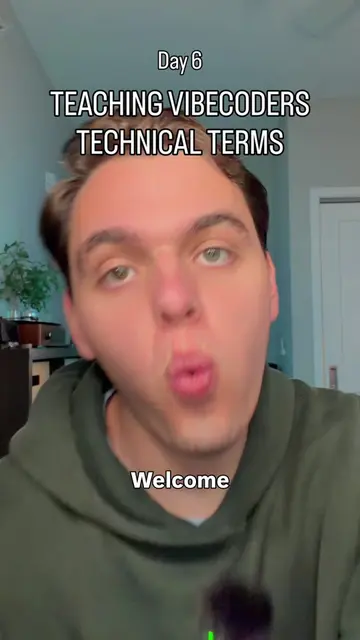
14.9Talking HeadStory Open hook
Hook
Day 3
@haydenschmitty
1.1K followers · usually 1.3K views a post
Views
17.5K
Likes
1.2K
Comments
56
Shares
34
Selling · SaaS › Developer Tool
Why it worked
The video explains a complex technical concept (idempotency) using a relatable analogy (e-commerce checkout) and clear on-screen text. This makes the information accessible and valuable to a wider audience interested in programming and startup development.
Summary
The video explains the concept of idempotency in software development, using an e-commerce checkout process as an example. It highlights how idempotency prevents duplicate charges or actions by ensuring that an operation, even if repeated, has the same effect as if it were performed only once.
Structure
- 1Introduction to idempotency
- 2Definition and analogy
- 3E-commerce checkout example
- 4Explanation of idempotency key
- 5Server-side implementation
Product placement
The video discusses the concept of idempotency, which is a feature of certain software operations, particularly in the context of e-commerce checkouts and API requests. It mentions the use of an 'idempotency key' to prevent duplicate transactions.
On-screen text
Original caption
Day three of teaching technical terms to nontechnical vibe coders: today's term is idempotency and why it is important for application security #claudecode #vibecoder #vibecoding #startuphacks #aicoding
More from @haydenschmitty
Their other posts in the index, biggest breakout first.