Loading video…
All breakouts
26.5Text-HeavyOther hookGames
Hook
TOLD GET YOU
@sn0w.ae
31.2K followers · usually 1.8K views a post
Views
53.8K
Likes
5.3K
Comments
34
Shares
768
Why it worked
The video leverages a relatable misconception about gaming and subverts it with an unexpected academic achievement, creating a compelling narrative hook. The use of gaming-specific terminology and visuals appeals to a niche audience while the academic angle adds a layer of intrigue.
Summary
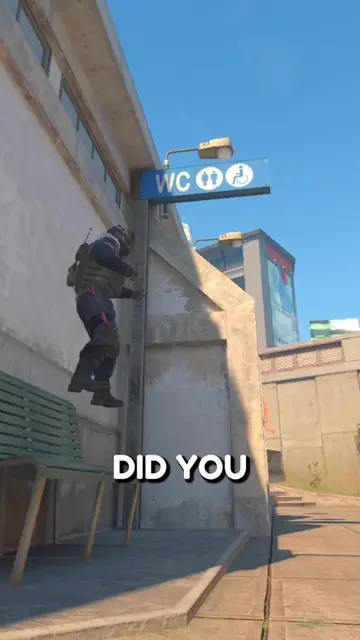
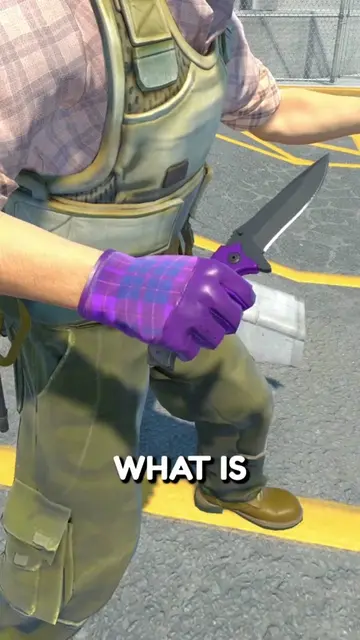
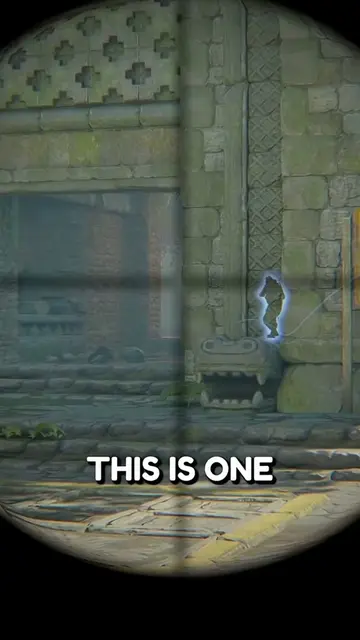
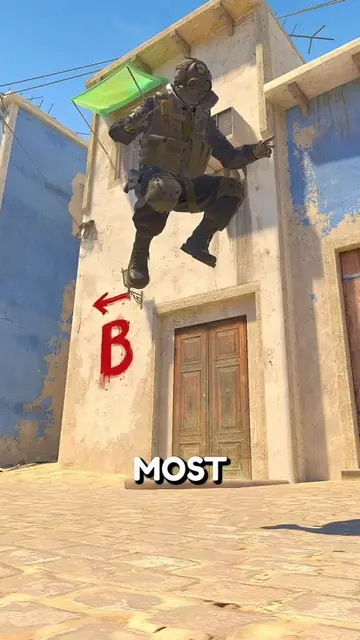
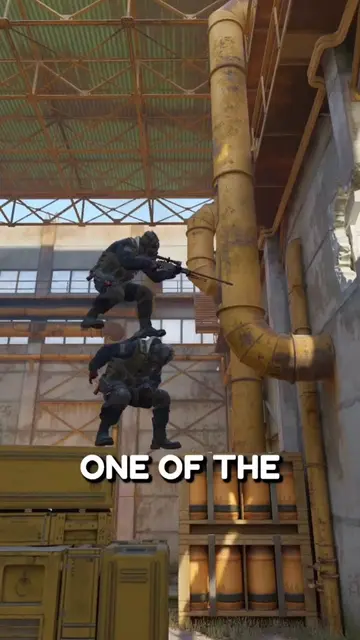
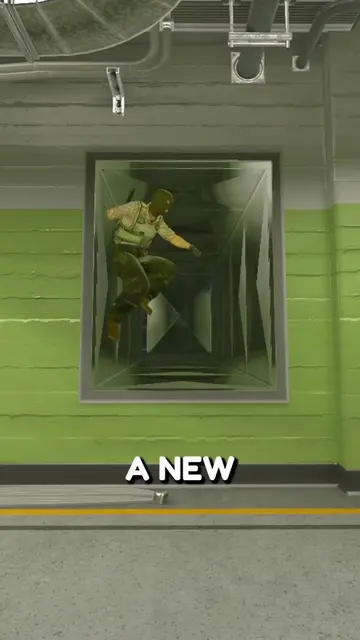
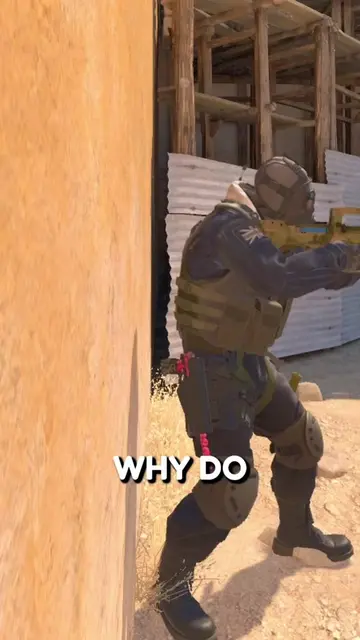
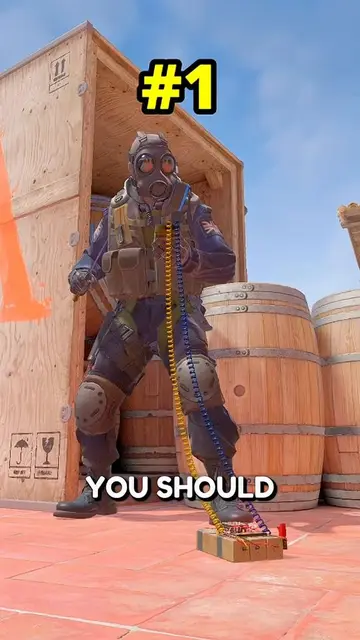
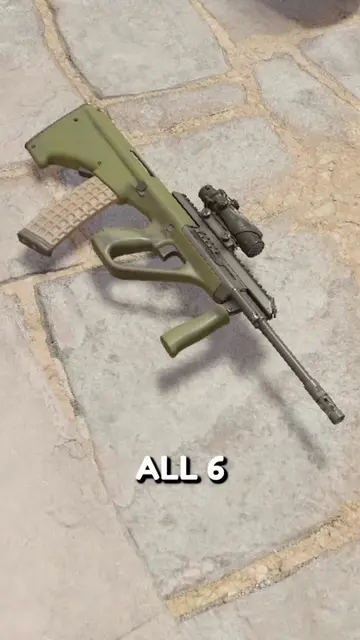
A Polish student wrote a university thesis analyzing the sociolinguistics of Counter-Strike 2, arguing that in-game callouts are a form of optimized real-time language focused on information speed. The student not only passed but achieved the highest grades on both the paper review and defense exam.
Structure
- 1Introduction to the common misconception about gaming.
- 2Presentation of the student's thesis on Counter-Strike 2.
- 3Explanation of the thesis's core argument about callouts.
- 4Examples of game-related language and its context.
- 5Confirmation of the student's academic success.
Product placement
Counter-Strike 2 (game): The video discusses the language and sociolinguistics of Counter-Strike 2. It ACTS as the subject of the academic thesis. Removing it would change the video's topic. Xbox (gaming console): Shown as an example of a game console. It merely APPEARS. Removing it would not change the video's core message about language in games. GG (gaming slang): Used to signify the end of a game or a good play. It ACTS as a term within the context of gaming language. Removing it would change the video's discussion of gaming slang.
On-screen text
TOLD
GET YOU
WELL
STUDENT
AN ENTIRE
UNIVERSITY
COUNTER
ARGUES
AREN'T
SCREAMING
THE MOST
REAL-TIME
BUILT
FOCUSED
INFORMATION
EXAMPLE
LIKE
XBOX
SENSE
OUTSIDE
GG
TWO
CAN BE
show
respect
big
fail
AND
WONDERING
PASS
GOT THE
PAPER
THE
THIS
GG
Original caption
A Thesis on Counter-Strike? #cs2 #Csgo #counterstrike #thesis #gg
More from @sn0w.ae
More breakout videos from this creator.