Loading video…
All breakouts
167Talking HeadProblem Callout hookHealth
Hook
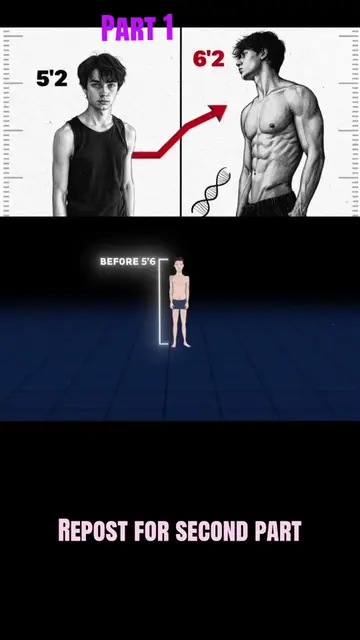
STUCK AT 5'7
@mr.usmi5
19.6K followers · usually 3.8K views a post
Views
1.1M
Likes
70.8K
Comments
1.3K
Shares
5.6K
Why it worked
The video addresses a common insecurity (height) with a clear, numbered structure and actionable advice. It debunks a common misconception (genetics being solely responsible) and provides scientific backing, making the information seem credible and valuable to viewers seeking solutions.
Summary
This video explains three main factors that can hinder height growth: genetics, hormones, and stress. It clarifies that while genetics set a potential height, they also facilitate growth, and deficiencies or imbalances in hormones like HGH, IGF-1, and testosterone can be problematic. The video emphasizes that chronic stress, leading to high cortisol levels, directly counteracts growth hormones. It then offers actionable advice: prioritizing at least 8 hours of sleep, as HGH is primarily released during sleep, and consuming magnesium-rich foods to help regulate the nervous system and improve sleep quality.
Structure
- 1Introduction: Stuck at 5'7
- 2The three reasons for stopped growth
- 3Reason 1: Genetics - not the enemy, check deficiencies
- 4Reason 2: Hormones - HGH, IGF-1, Testosterone
- 5Stress as the enemy of HGH
- 6Actionable advice: Sleep and Magnesium-rich foods
On-screen text
STUCK
AT 5'7
PART 1
GROWING
12
12, 13
13, 14
MAYBE
14, 15
OLD,
SUDDENLY,
COMPLETELY
THAT'S
IT'S
IGNORE.
TODAY,
DOWN
3
REASONS
YOUR
MORE
CAN
BARRIERS
BODY
GROW.
ABOUT
BY
RESEARCH.
STARTED.
1.
GENETICS.
GENETICS.
PLEASE
BLAMING
GENETICS.
SET
POTENTIAL
CREATE
YES,
EXTRA
AFTER
EXERCISES
NUTRITION.
PEOPLE
THE
SET
ALSO
REACH
SUPPOSE
D
IS
IT
MISTAKE?
NO.
SUFFER
NUTRITIONAL
DEFICIENCIES
OBVIOUS
MIGHT
NORMAL,
BODY
YOUR
DOWN,
SUFFERS,
COGNITIVE
DECREASES.
ACTUALLY
PHYSICAL
IN
GENETICS.
ENEMY.
YOU
FIRST
IS
DOCTOR
TEST.
DEFICIENCIES.
2.
HORMones.
HORMones.
ARE
RESPONSIBLE
HEIGHT
HGH
GROWTH
IGF-1
AND
TESTOSTERONE
HERE'S
SIMPLE
BY
PITUITARY
DURING
LIVER,
INTO
1,
ACTUALLY
GROW.
WORKS
AMPLIFYING
EFFECT
AND
DENSITY
GROWTH
FRAME
TALLER.
THAT
AFFECTING
IS
YOU'RE
PUMPS
THE
H
HIGH
SUPPRESSES
H.
BLOCKS
PRODUCTION
LOWERS
TESTOSTERONE.
GENETICS
NUTRITION
CHRONIC
QUIETLY
GROWTH
HERE'S
DO.
1.
Get your sleep right
RIGHT.
8
ALMOST
80%
H
RELEASED
ESPECIALLY
HOURS
ASLEEP.
SHORT
OFF
MACHINE.
2.
Eat magnesium-rich foods
MAGNESIUM
FOODS.
NUTS,
VEGETABLES,
CHOCOLATE,
AVOCADOS.
DIRECT
REGULATING
SYSTEM.
CORTISOL
YOU
DEEPER,
SLEEP.
MORE
1. Get your sleep right
2. Eat magnesium-rich foods
Original caption
Part 1 watch this if your height suddenly stop frowing fix it fast / Worried about hair loss at a young age? If you're dealing with hair fall in your teens, a receding hairline, or thinning hair, this video explains what you can actually do before turning to medication. Since many common hair loss treatments aren't recommended for people under 18, this guide focuses on safe, practical ways to improve hair health naturally. You'll learn how vitamin deficiencies, poor scalp health, unhealthy habits, and stress can contribute to hair shedding, along with simple solutions you can start today. From eating a nutrient-rich diet with enough protein, iron, zinc, biotin, and vitamin D to improving your sleep, these habits can help support stronger, healthier hair over time.#foryour #viral #like? #sharing #heightincrease
More from @mr.usmi5
More breakout videos from this creator.