Loading video…
Sound

original sound - cosmiccartography
Cosmic Cartography · Original audio
0:00–:––
Playing this video’s own audio, so you’ll hear the creator over the sound.
The video effectively explains a complex scientific concept (spacecraft propulsion) using clear visuals and a narrative that builds from basic principles to specific examples like the Dawn spacecraft. The comparison between chemical rockets and ion thrusters, along with the impressive statistics about Dawn's mission, likely captured viewer interest.
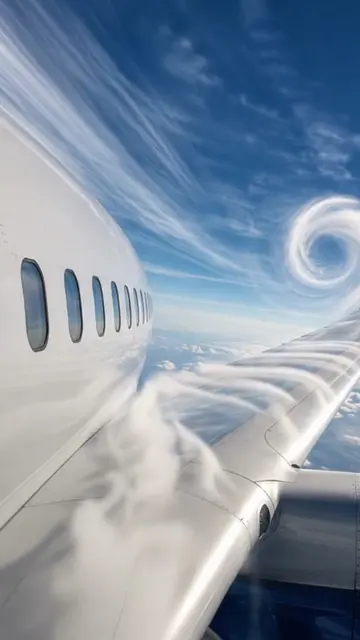
The video explains how spacecraft move in the vacuum of space by expelling mass backward. It contrasts chemical rockets with ion thrusters, highlighting the Dawn spacecraft's ion engine which used Xenon and electric fields to achieve a significant velocity change over years, enabling it to orbit two celestial bodies.
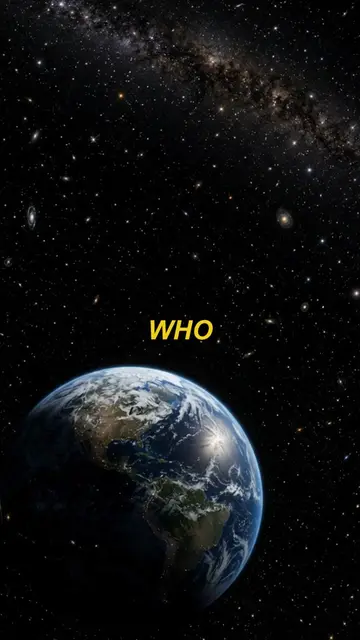
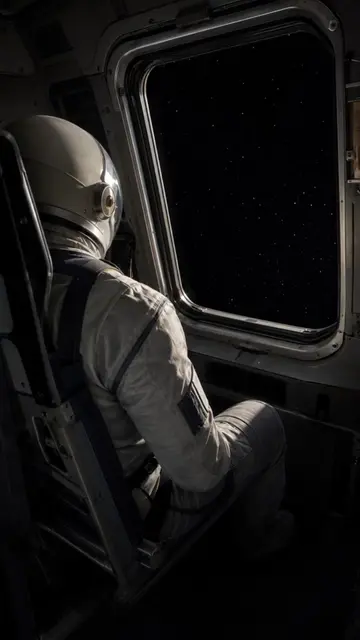
Space has no oxygen, yet spacecraft can fire engines and change course. So what are rockets actually pushing against in the vacuum of space? #Space #Science #NASA #RocketScience
SPACE
Spacecraft propulsion in vacuum
Chemical rockets vs. ion thrusters
Dawn spacecraft's ion engine
Long-term thrust and velocity change
Orbiting Vesta and Ceres
NASA (appears as a logo/mention, removing it does not change the video) Dawn spacecraft (appears as the subject of the video, removing it changes the video) NVIDIA (appears as a logo/mention, removing it does not change the video)
Follow for more
Playing this video’s own audio, so you’ll hear the creator over the sound.
NASA spacecraft that studied the dwarf planets Vesta and Ceres
All time.
Promotes 1 product. Create free account to see more.
Outliers and viral hits: their videos on Overshot, all time.