Loading video…
Sound

original sound - cosmiccartography
Cosmic Cartography · Original audio
0:00–:––
Playing this video’s own audio, so you’ll hear the creator over the sound.
Hook
Posted Jul 17, 2026Video · 4:55by @cosmiccartography
We didn’t find a product being promoted in this video. Its hook, format and structure below still show why it took off.
Browse products winning on TikTokThe video effectively combines stunning visuals of space and the Earth with fascinating facts about space exploration and disposal. The concept of a remote 'graveyard' for spacecraft is inherently intriguing, and the detailed explanation of reentry processes and the ISS's fate likely resonated with viewers interested in space science.
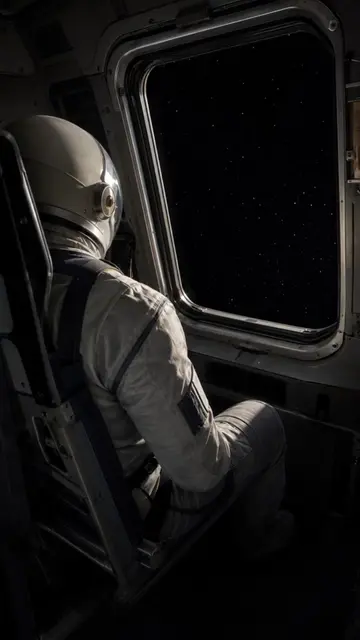
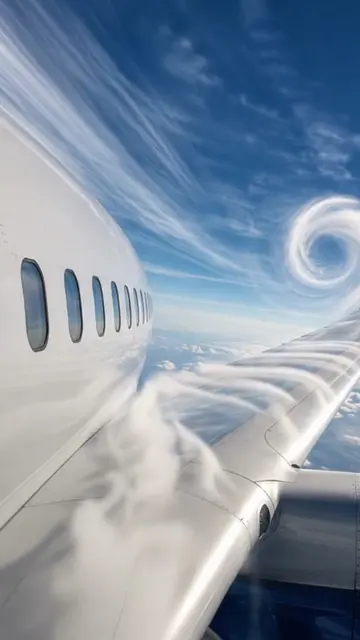
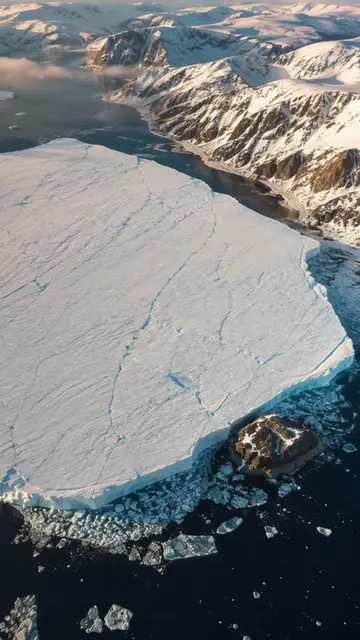
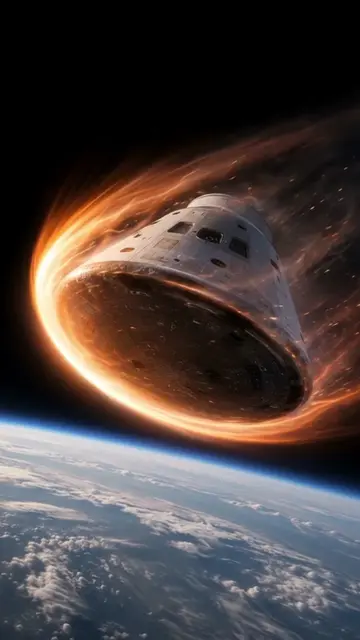
The video explains Point Nemo, the most isolated location on Earth, which serves as a spacecraft graveyard. It details how spacecraft, including the ISS, are deorbited and burn up in the atmosphere, with heavier fragments often falling into the ocean at Point Nemo due to its remoteness and lack of human activity.
The most isolated place on Earth may one day receive the largest spacecraft ever assembled. This is Point Nemo—the South Pacific region where space missions end. #PointNemo #SpaceTok #NASA #ISS #SpaceFacts
The most isolated place on Earth may one day receive the largest spacecraft ever assembled.
Introduction to Point Nemo as a remote spacecraft graveyard.
Explanation of its location and isolation.
Description of spacecraft reentry and disintegration.
Discussion of the ISS's eventual deorbit and the role of Point Nemo.
Comparison of the ISS's size and the history of deorbited spacecraft.
Conclusion on the importance of controlled descents into Point Nemo.
follow for more stories where space exploration meets Earth's hidden extremes
Playing this video’s own audio, so you’ll hear the creator over the sound.
Promotes 1 product. Create free account to see more.
Outliers and viral hits: their videos on Overshot, all time.