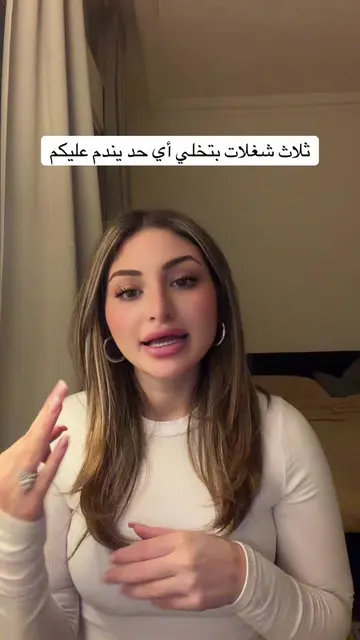
Loading video…
All breakouts
6.8Talking HeadContrarian hookHealth
Hook
In Islam a woman does not have to wear hijab
@afnan_dahbour
1.8M followers · usually 33.8K views a post
Views
185.3K
Likes
10.1K
Comments
392
Shares
763
Why it worked
The video likely resonated with viewers by addressing a common point of contention and offering a nuanced perspective on religious practice, sparking discussion and engagement.
Summary
The speaker explains that in Islam, women are not obligated to wear the hijab, despite common misconceptions. She references a verse from Surah An-Nur to support her claim that the Quranic instruction for 'khimar' (head covering) was to be drawn over the chest, implying a broader interpretation than just head covering.
Structure
- 1Introduction: Hijab is not mandatory in Islam
- 2Addressing common misconceptions and personal stance
- 3Referencing Quranic verse from Surah An-Nur
- 4Explaining the meaning of 'khimar' and its historical context
- 5Concluding that hijab is obligatory despite personal practice
On-screen text
In Islam a woman does not have to wear hijab
Transcript
In Islam a woman does not have to wear hijab. And I hear a lot of women say that. Now I know everybody's gonna come at me because I don't wear hijab myself. But in Surah An-Nur God said, and let them draw their khimar over their chests. And when God said to put it over their chests because everybody already was wearing a khimar, which is hijab. The 'imar based on the way you spell it changes the meaning. The way God spelled it in Surah An-Nur was had coverage. So is hijab obligatory? Yes, 100%. So I lack in the fact that I don't wear it and may Allah make me wear it inshallah soon, 100%. But that does not change the fact that God did command us to wear it, whether I do it or not, it's not gonna change that it is obligatory in Islam to do so.
Original caption
#fyp #hijab #muslimtiktok
More from @afnan_dahbour
More breakout videos from this creator.