Loading video…
Sound

original sound - alanizcloudsec
Fernando Alaniz Cloudsec · Original audio
0:00–:––
Playing this video’s own audio, so you’ll hear the creator over the sound.
The video effectively highlights a critical security flaw in a widely used browser feature, tapping into user concerns about online safety and data protection. The clear explanation of the threats and the direct implications for personal and corporate security likely resonated with viewers, driving engagement.
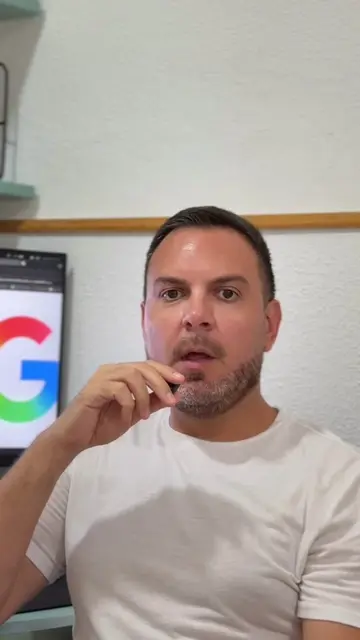
This video discusses a security vulnerability in Google Chrome's passkey implementation, allowing malware to steal passkeys directly from the computer's memory. It details three methods discovered by researchers that bypass traditional security measures, posing a significant risk to users and corporate infrastructure.
Descubren cómo robar passkeys de la memoria de Chrome #Cybersecurity #Passkeys #GoogleChrome #InfoSec #Malware
AL FINAL LAS PASSKEYS NO SIRVEN TANTO
Introduction to passkey vulnerability
Explanation of the three attack vectors
Impact on users and corporate environments
Google's notification and planned fixes
Call to action regarding password management
Chrome (browser): ACTS - stores passkeys, its memory is targeted by malware. Removing it would change what happens in the video. Google Chrome: ACTS - its passkey implementation is vulnerable. Removing it would change what happens in the video. Windows: APPEARS - mentioned as an operating system. Removing it would not change what happens in the video. TechSpot (website): APPEARS - the website where the article was published. Removing it would not change what happens in the video.
Suscríbete al canal y deja un comentario.
Playing this video’s own audio, so you’ll hear the creator over the sound.
Promotes 6 products. Create free account to see more.
Outliers and viral hits: their videos on Overshot, all time.
Download Google Chrome by Google on the App Store. See screenshots, ratings and reviews, user tips, and more apps like Google Chrome.
All time.