The video offers practical, actionable advice on a crucial topic for creators: negotiation. By breaking down the process into clear, numbered steps and using relatable examples, it provides immediate value and empowers viewers to improve their business dealings.
Summary
The video provides a guide to negotiation for creators, emphasizing understanding the full scope of a deal, negotiating value beyond just the price, and knowing when to walk away. It advises creators to consider factors like usage rights and exclusivity, and to be prepared to adjust deliverables or terms if a client's budget is too low.
Structure
1Introduction to negotiation challenges
2Understanding the deal and deliverables
3The importance of usage rights and exclusivity
4
Original caption
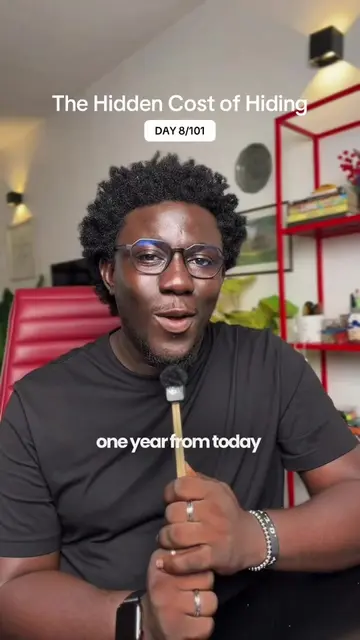
Day 32/101: The Creator’s Guide to Negotiation #creator101
More from @salemkinging
More breakout videos from this creator.
Negotiating value beyond price
5Knowing when to walk away and not negotiate against yourself
Call to action
follow me and I'll see you tomorrow
On-screen text
The Creator's Guide
To Negotiation
DAY 32/101
Transcript
The first time a brand or client offers you money, it's very tempting to want to say "yes" before they'll change their mind. Please take a breath first. Watch this video. It's long, but it will save you millions and make you millions over the years. Better stop scrolling and watch this thing now. Yesterday we talked about pricing, how to arrive at a baseline rate for your work. So let's say now you have the number. What happens when the brand now says, "that's above our budget"? What do you do? Thank you very much for that question. And here's how I want you to think about negotiation. Here's how I want you to think about negotiation. 1. Understand the whole deal. Understand the whole deal. Before you negotiate anything, understand exactly what you're being asked to give. Understand exactly what you're being asked to give. How many deliverables? Which platforms? How many deliverables? Which platforms? How many revisions? What's the timeline? When are you getting paid? What percentage? And then there are two things creators often overlook: usage rights and exclusivity. If a brand pays you to post a video on your page, they're paying for access to your audience through that post. But if they also want to use that content in paid ads on their own pages, billboard, website or anywhere else, they're getting additional value from that content. That is a different transaction. The longer they want to use it, and the more places they want to use it, the more that transaction costs. Exclusivity is similar. If they don't want you working with any competing brands for a period of time, say 3 months, 6 months, one year. That means apart from the content, they are also buying your ability to work with someone else. So basically you are married to them for that period of time. That has value and it should cost money. If a brand that did not pay you for exclusivity is still running ads on your content, 6 months after the campaign has ended, that activity publicly associates you with them. Remember, marriage. Another brand may see it and assume that you are already tied to their competitor and may decide not to reach out to you. So you end up losing opportunities, even though the campaign has ended six months ago. That's why it costs money. So define the terms. Which competitors? Which category? Where can they use the content? For how long? It's a lot of questions. But sometimes what sounds like a good deal becomes terrible once you start to analyze these things. You need to know what you are negotiating for before you start negotiating. 2. Negotiate value, not just the number. Money is very important, but it's not the only thing that can make a deal valuable. Maybe the brand is strategically important to your portfolio. Maybe they give you access to an audience you want, an event you want to attend, a space you want to be in. Maybe it's a long-term relationship you genuinely want. Maybe part of the value is a product or service that you actually need. Be honest with yourself about what is valuable to you. If a brand comes and tells you they're going to give you 5 million naira worth of furniture, but you don't need furniture, it's not valuable. Also, the price is not the only thing on the table. You can negotiate factors like the scope, the timeline, payment terms, deliverables. Remember, it's a dance. Remember, it's a dance. 3. Never give something away without getting something back. If you reduce your price, reduce the scope. If they need it urgently, charge a rush fee. If they want longer usage, charge for it. If they can't budge on the price, maybe they can budge on payment terms. Don't just keep giving, giving, giving. Negotiate. So let's say you charge 1,000 and they say, "we only have 700". Don't immediately say, "oh okay, I'll take it". Don't also say, "my rate is 1,000, take it or leave it, get out". There are more than two options. Ask yourself: what can we change to make 700 make more sense? Can we have fewer deliverables? Can we make the content for organic use only? Or remove exclusivity. Or ask for a longer timeline. Price is not the only thing that can move. 4. Know when to walk away. You can always say no. It's not by fire by force. A negotiation is not successful just because you got the deal. In fact, sometimes the best outcome is deciding that the deal is not worth taking. And remember you have something they need. You're not asking for a favor. You're trying to reach an agreement that is beneficial to both sides. Never negotiate against yourself. Don't volunteer discounts before they've even pushed back. Let them tell you what's not working, why is the deal not working for them, then solve the actual problem. And please remove that "prices are negotiable" from your rate card. Understand your value, understand your leverage, know what you are willing to trade, and also, know your limits. And never be afraid to walk away from a deal that doesn't make sense. This is creator 101, your daily dose of creative momentum. Found that helpful? Follow me and I'll see you tomorrow.