Loading video…
All breakouts
4.4Text-HeavyHow-To hookEducation
Hook
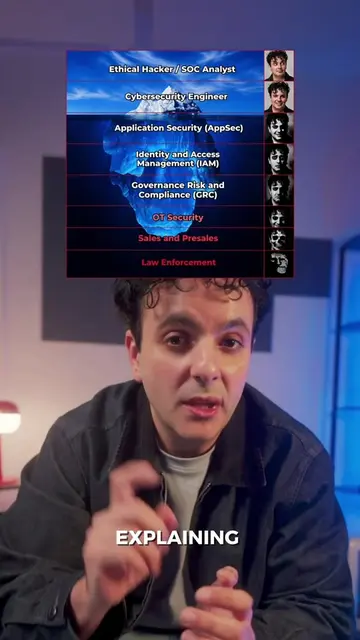
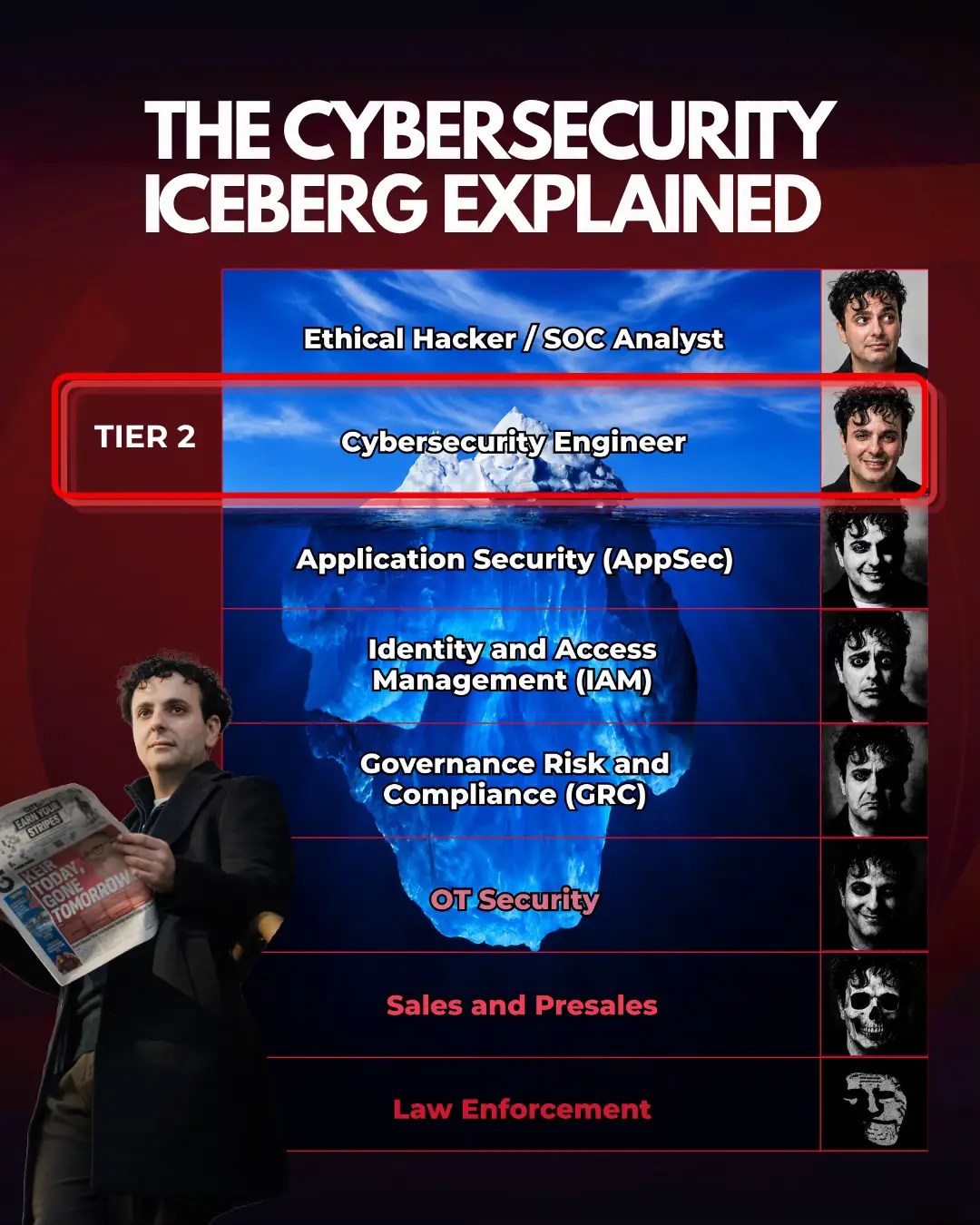
THE CYBERSECURITY ICEBERG EXPLAINED
@unixguy_cybersecurity
115.9K followers · usually 3.7K views a post
Views
16.4K
Likes
753
Comments
6
Shares
20
Why it worked
The content breaks down a complex industry into an easily digestible visual metaphor (the iceberg), making it relatable and informative for a broad audience interested in cybersecurity careers.
Summary
This TikTok slideshow explains the "Cybersecurity Iceberg" concept, detailing various roles and their depth within the field. It specifically highlights "Tier 2: Cybersecurity Engineer," outlining their responsibilities, benefits, and drawbacks.
Structure
- 1Introduction to the Cybersecurity Iceberg
- 2Focus on Tier 2: Cybersecurity Engineer
- 3Description of Cybersecurity Engineer role
- 4Career benefits of being a Cybersecurity Engineer
- 5Career drawbacks of being a Cybersecurity Engineer
On-screen text
THE CYBERSECURITY
ICEBERG EXPLAINED
TIER 2
Ethical Hacker / SOC Analyst
Cybersecurity Engineer
Application Security (AppSec)
Identity and Access
Management (IAM)
Governance Risk and
Compliance (GRC)
OT Security
Sales and Presales
Law Enforcement
Tier 2:
Cybersecurity Engineer
Cybersecurity Engineers build and
support defense systems.
They install, configure, and maintain the
firewalls, networks, and tools that
analysts use.
Common job titles include
Network Security Engineer and
Cloud Security Engineer.
Career Benefits
Offers abundant job openings and
hands-on experience building systems.
Easy Entry Point:
High job availability makes this ideal for
transitioning from IT or networking.
Great for Builders:
Ideal if you enjoy writing scripts,
configuring servers, and managing
infrastructure.
Career Drawbacks
You face low pay, siloed skills,
and late shifts.
Salary Caps:
High competition keeps starting and
senior salaries lower than specialized
roles.
The Skill Trap:
Engineers risk getting stuck working on
a single tool or firewall for years.
After-Hours Shifts:
System upgrades and changes usually
take place outside business hours.
Original caption
If you love building things and troubleshooting / support then this can be good for you But you won’t be hacking or detecting/responding to cyber attacks or writing policies / frameworks
More from @unixguy_cybersecurity
More breakout videos from this creator.