Loading video…
All videos
Views
34.6K
Likes
4.5K
Comments
65
Shares
227
Engagement
14%
of views
34.4xthis account’s usual viewsOutlier
This video34.6KUsual views1.0K
The product
Not selling anything
No product promoted
We didn’t find a product being promoted in this video. Its hook, format and structure below still show why it took off.
Browse products winning on TikTokThe creator
Why it worked
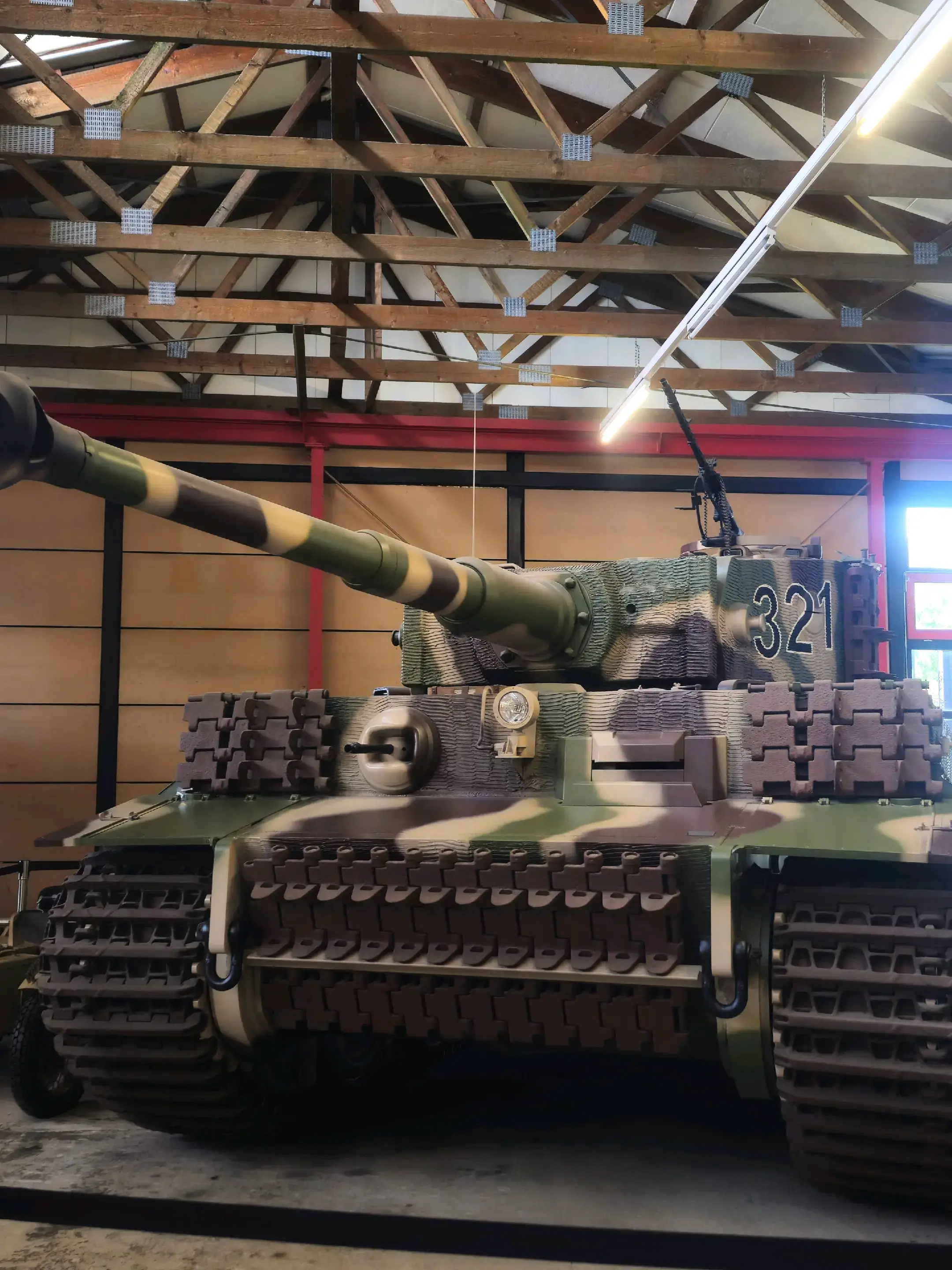
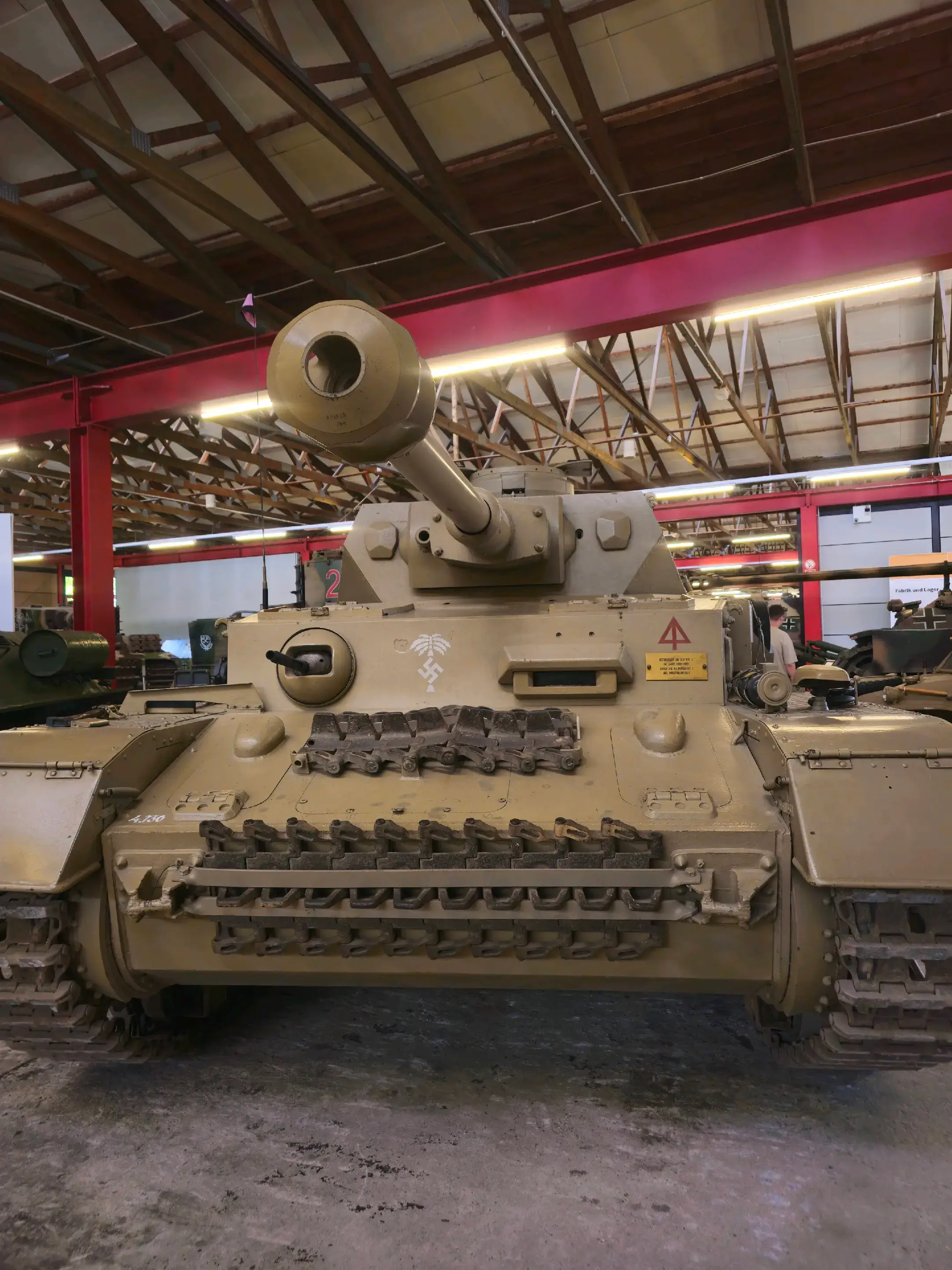
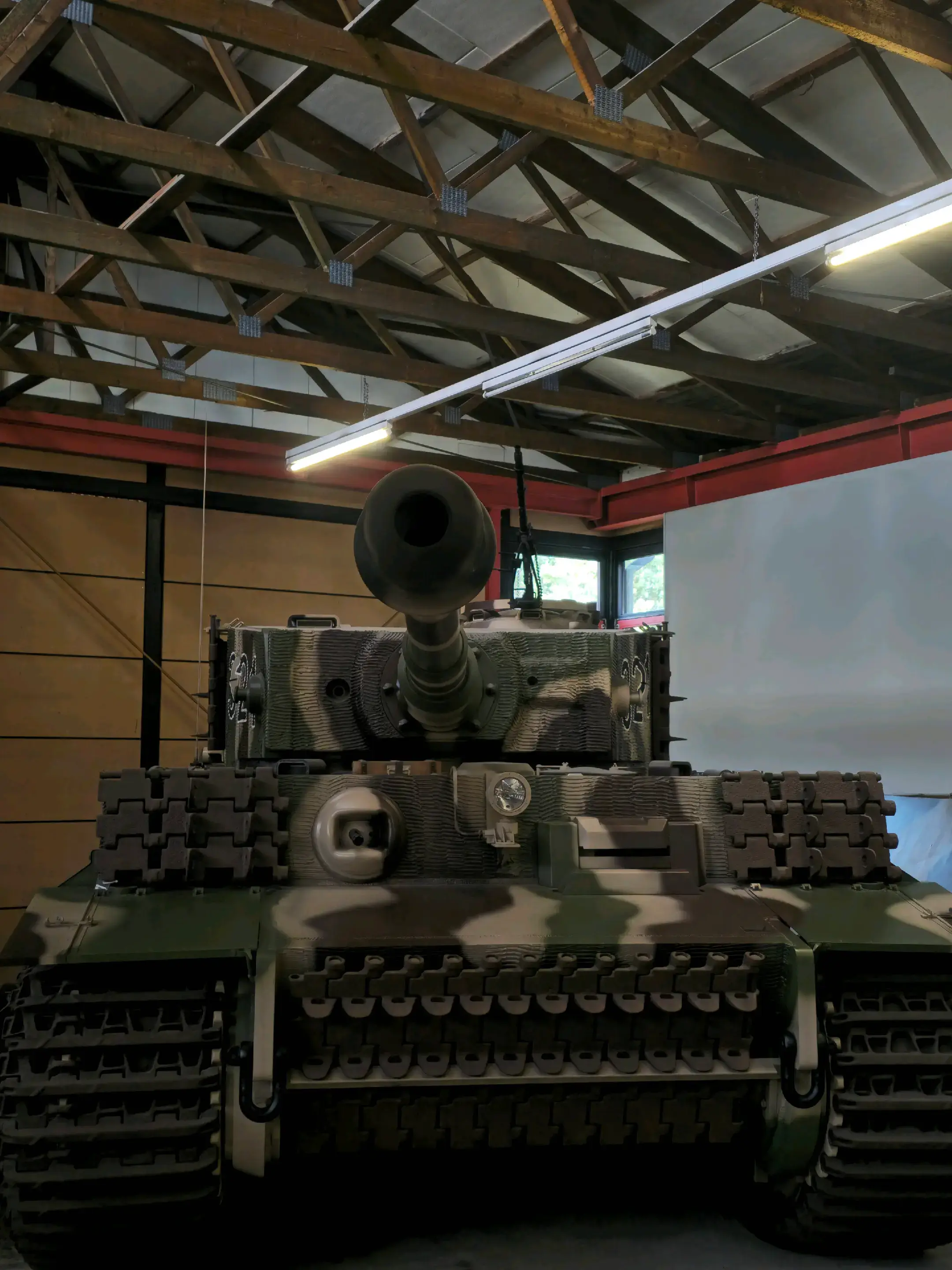
The post leverages the inherent visual appeal and historical significance of a famous military vehicle, the Tiger I tank, to capture viewer interest. The specific identification of the "321" variant and its museum display adds a layer of unique detail that can drive engagement.
What happens
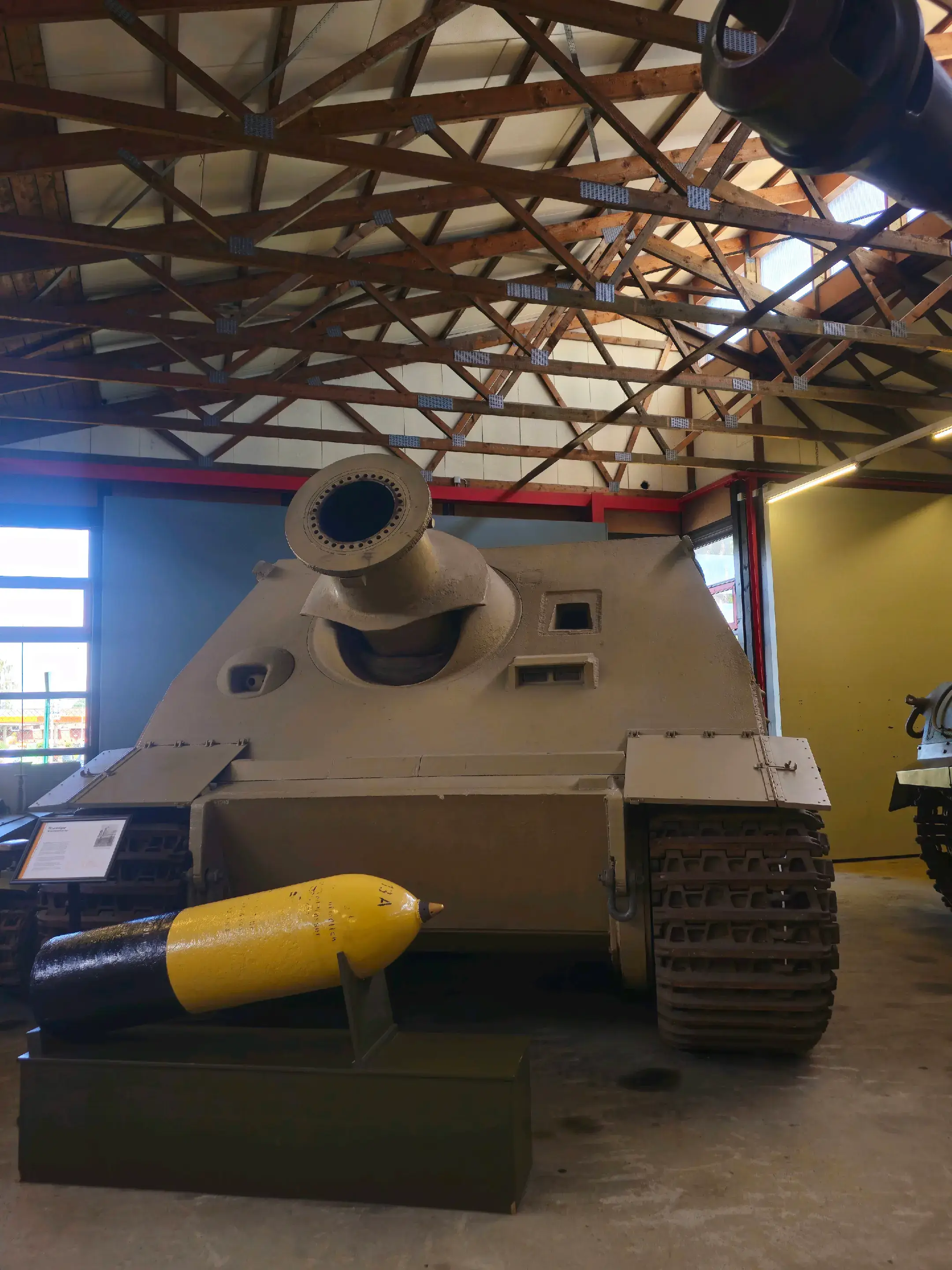
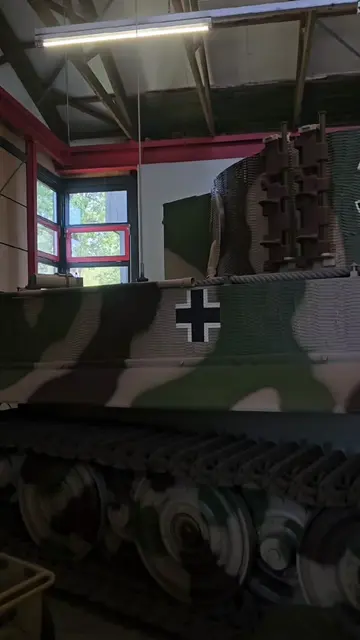
This TikTok photo post showcases the Panzerkampfwagen VI Tiger I "321" tank, displayed at the Deutsches Panzermuseum Munster in Germany. It highlights the tank's historical significance and formidable armament.
The breakdown
Original caption
The legendary Tiger I but this one has a story of its own. 🇩🇪🐅 This is the Panzerkampfwagen VI Tiger I “321”, displayed at the Deutsches Panzermuseum Munster in Germany. The Tiger I became one of the most famous German tanks of World War II. Armed with the powerful 8.8 cm KwK 36 L/56 and protected by heavy armor, it gained a legendary reputation on the battlefields of the Eastern Front, North Africa and Western Europe. But there is an important detail about the Tiger I displayed in Munster: This is not an original WWII Tiger I. The vehicle is known as the “PlastTiger” — a full-size reconstruction built by the German Bundeswehr using fiberglass rather than the original steel construction. Although it weighs only a fraction of a real Tiger I, the reconstruction was made to reproduce the external appearance of the famous German heavy tank in remarkable detail. Even the camouflage, markings, turret, tracks and external equipment were recreated to make the vehicle look as close as possible to an operational Tiger I. The number 321 is also significant. It was chosen as a reference to the Tiger II “321”, the original King Tiger displayed elsewhere in the museum. The two vehicles can therefore be seen together in Munster one an original WWII King Tiger, the other a modern full-size reconstruction of the legendary Tiger I. The real Tiger I weighed around 57 tonnes, carried a crew of five and was powered by a Maybach V12 engine. Its 8.8 cm gun was capable of engaging heavily armored enemy tanks at considerable distances. Only around 1,350 Tiger I tanks were produced during World War II, making surviving original examples extremely rare. So although this Tiger “321” never fought on a WWII battlefield, it still plays an important role today: helping visitors understand the enormous size, design and appearance of one of the most famous tanks in military history. 📍 Deutsches Panzermuseum Munster, Germany A Tiger I that never went to war — but still brings the legend of the Tiger tank back to life. Would you rather see the Tiger I or Tiger II in real life? 🐅