Loading video…
All breakouts
28.7Talking HeadStory Open hookHealth
Hook
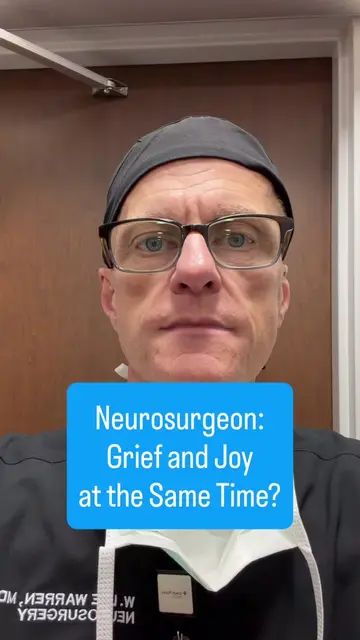
Neurosurgeon on Grief
@drleewarren
625.0K followers · usually 85.0K views a post
Views
2.4M
Likes
253.4K
Comments
10.3K
Shares
45.2K
Why it worked
The creator shares a deeply personal and vulnerable story about grief, resonating with a universal human experience. By blending scientific insights with spiritual wisdom and a relatable personal narrative, the video offers comfort and a new perspective on loss.
Summary
A neurosurgeon shares his personal insights on grief, drawing from neuroscience and scripture. He explains that grief is not a wound that closes but a connection to loved ones that strengthens over time, and that hope and grief can coexist.
Structure
- 1Introduction of topic: grief after losing a son
- 2Personal experience and initial misunderstanding of healing
- 3Neuroscience perspective on grief as connection, not a wound
- 4Biblical perspective on grief and hope
- 5The meaning of continued grief as evidence of love and healing
- 6Call to action: follow for growth and hope
Call to action
Follow button
On-screen text
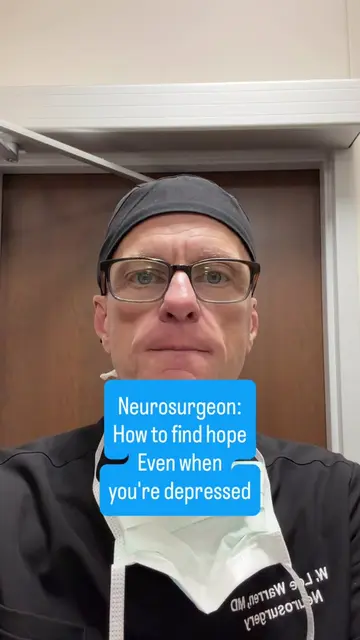
Neurosurgeon on Grief
Original caption
Thirteen years ago today, I lost my son. Anyone who has buried a child knows there is a before and an after, and you never fully return to the person you were before. For a long time I thought healing meant the ache would eventually go away. That someday I’d wake up and it just wouldn’t hurt anymore. That’s not what happened, and I’ve come to believe that’s actually good news. Here’s what I’ve learned, from both the operating room and the Scriptures. Neuroscience tells us grief isn’t a wound that closes. It’s more like a new neural pathway your brain builds to hold both the love and the loss at the same time. Every time you remember him, you’re not reopening a wound, you’re strengthening a connection between who he was and who you are now. Grief and love run on the same circuitry. That’s why it never fully quiets. It’s not supposed to. And Scripture never asked me to stop grieving. Jesus wept at Lazarus’s tomb even though He knew He was about to raise him. Grief and hope aren’t opposites. Psalm 34:18 says the Lord is close to the brokenhearted. Not distant while we heal. Close, in the middle of it. Thirteen years later, I don’t grieve the way I did in year one. But I still grieve. What’s changed is what I carry alongside it: gratitude that I got to be his father, and hope that this isn’t the end of his story or mine. If you’re carrying a loss today, however old or fresh, I want you to know this: the ache staying doesn’t mean you’re stuck. It might mean you loved well enough that your brain refused to let go. That’s not a flaw in your healing. That’s the evidence that you ARE healing. Save this for a day when the grief is hitting you hard, and share it with someone you love who may be hurting today. Follow me for daily connections between neuroscience and faith to help you flourish in your life. And check the link in my bio to learn more about my New York Times best seller The Life-Changing Art of Self-Brain Surgery. #selfbrainsurgery #neuroscience #thedrleewarrenpodcast #neurosurgery
More from @drleewarren
More breakout videos from this creator.