Loading video…
All breakouts
25.9OtherHow-To hookEducation
Hook
HEIGHT OF INSTRUMENT METHOD
@masteredgeacademy
11.1K followers · usually 2.8K views a post
Views
71.8K
Likes
4.7K
Comments
43
Shares
331
Why it worked
The video breaks down a complex surveying concept into manageable steps with clear visual aids and calculations, making it easy for students to follow and understand. The use of on-screen text and a table to track readings enhances clarity and reusability.
Summary
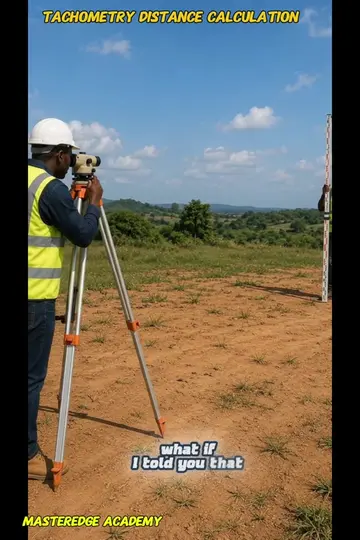
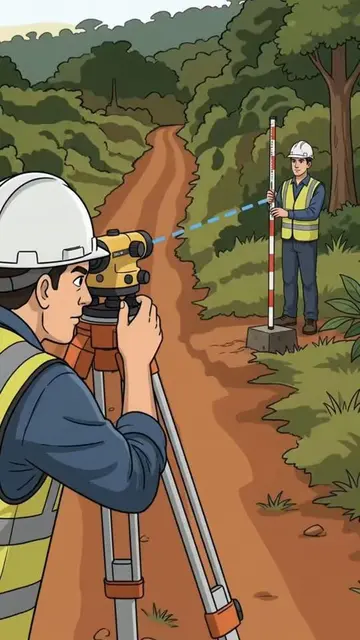
This video explains the height of instrument method for calculating reduced levels in surveying. It demonstrates the process of taking readings, calculating the height of instrument (HI), and then using that HI to determine the reduced levels (RL) of various points, including how to handle change points and re-establish the HI.
Structure
- 1Introduction to the Height of Instrument Method and TBM value
- 2Calculating the first Height of Instrument (HI)
- 3Calculating Reduced Levels (RL) for points 1 and 2
Original caption
Leveling Calculation | Height of Instrument (HI) Method Learn how to calculate Reduced Levels (RL) using the Height of Instrument (HI) method, starting from a known TBM and working through Back Sight, Intermediate Sight, Foresight, and Change Points. A simple, practical explanation for surveying students and anyone learning leveling. Save this for your next leveling calculation. Like, Share & Follow for more surveying tutorials! #survey #level #HI
More from @masteredgeacademy
More breakout videos from this creator.