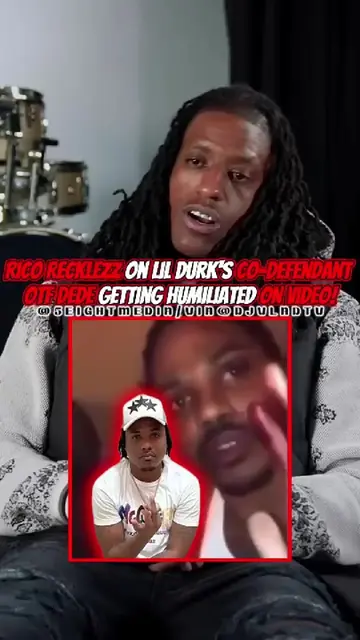
When you really listen to this clip instead of just reacting to the headline, the conversation hits different because it is about loyalty, family, disrespect, grief, reputation, music, and how quickly social media turns complicated real-life situations into internet drama. The discussion involving Mubu Krump and OTF Nuski carries emotion because the people connected to these names have real relationships, memories, and losses behind them. You can understand why somebody connected to a situation might feel a certain type of way when they believe a loved one was disrespected without pretending that violence is the answer. That distinction matters heavy. You can defend somebody’s right to explain their perspective while still saying nobody should take anger, grief, or disrespect into the streets. 🎤🖤💯 The internet will take one sentence, chop it up, throw a caption on it, and have everybody arguing before they even hear the original conversation. A short clip can show what somebody said, but it cannot automatically prove every allegation surrounding the situation. If the speaker gives his personal account, call it his account. If something is confirmed, call it confirmed. If something is only an allegation or rumor, keep it labeled that way. That is how you keep the discussion real instead of letting the comment section create a whole new story. 📱👀 What stands out here is the way loyalty and family can make a situation feel personal. Somebody can be angry because they believe their family member or close friend was disrespected, and outsiders may never understand the emotions behind that. But understanding somebody’s emotions is not the same as approving violence. You can say, “I understand why he felt disrespected,” while also saying, “Nobody should respond by hurting somebody.” Both statements can be true at the same time. That is the grown way to look at a situation like this. 💯🧠 And let’s keep it a buck: defending the speaker’s perspective does not mean pretending he is perfect, agreeing with every statement he has ever made, or attacking everybody who disagrees. It means judging the actual words in the clip. If you disagree, explain exactly what you disagree with. If you think people are missing context, point out what context is missing. If you believe another interpretation makes more sense, bring evidence. Do not manufacture allegations, threats, or extra details that were never established in the video. 🎥🗣️ The same goes for the artists and people connected to this conversation. Rap is full of stories about loyalty, betrayal, family, neighborhoods, disrespect, trauma, survival, and reputation. Artists use music and interviews to describe their experiences, but fans should still separate lyrics, storytelling, personal memories, rumors, and independently verified facts. You can appreciate the music and understand the culture without treating every lyric or interview statement like a court document. You can discuss difficult subjects without celebrating real-world violence or turning somebody’s death into entertainment. 🎶🕊️ When somebody has died, the conversation deserves even more care. Their family and friends still have to live with the loss long after the viral clip disappears. People may remember events differently, but grief is still real. That is why using somebody’s death as a punchline, engagement strategy, or reason to threaten another person only makes everything worse. Talk about what was said. Talk about the music. Talk about the history. Debate the claims. But do not glorify somebody getting killed or encourage another cycle of violence. 🖤🕊️ This clip also shows why context is king. Before deciding who is right, ask what question was asked, what answer was actually given, whether the speaker was describing personal knowledge or repeating something he heard, and whether the clip leaves out the rest of the conversation. A fifteen-second edit can completely change how a statement sounds. If you really want