Loading video…
All breakouts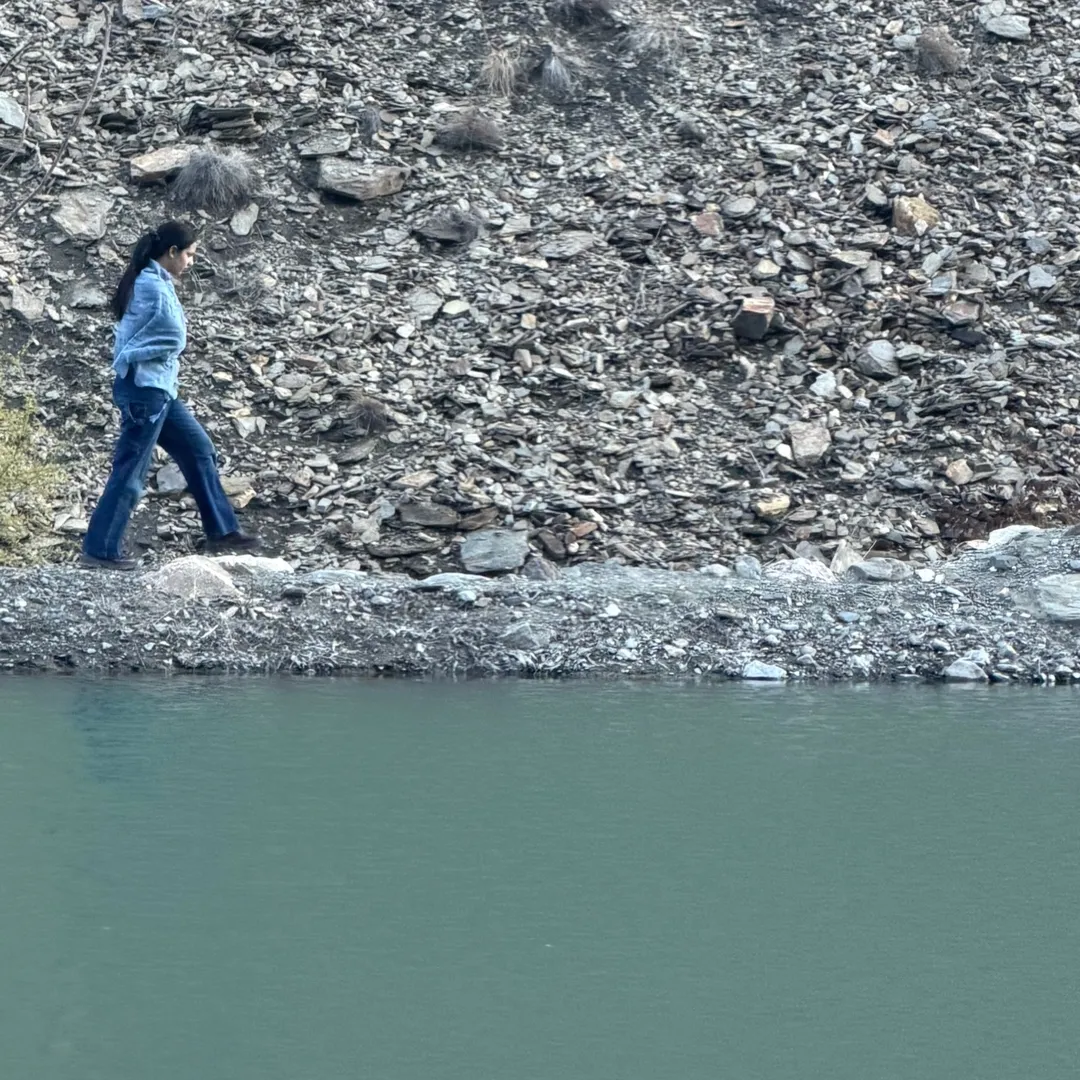
27.3Text-HeavyOther hookHealth
Hook
According to psychology if you constantly imagine the worst case scenario, it's not
@mid.life.crisis41
42.4K followers · usually 10.6K views a post
Views
247.3K
Likes
4.4K
Comments
51
Shares
560
Why it worked
The video likely resonated with viewers by reframing a common anxiety-inducing thought pattern (imagining the worst) as a natural, survival-based mechanism, offering a psychological explanation rather than a judgment. This relatable and insightful perspective, combined with a visually appealing backdrop, likely encouraged engagement and shares.
Summary
This video explains that constantly imagining the worst-case scenario is not a sign of negativity, but rather a survival mechanism wired into our nervous system. It suggests that preparing for loss can create a sense of control, and if peace makes one suspicious, the account may be relevant.
Structure
- 1Introduction to psychology of worst-case scenarios
- 2Explanation of survival wiring
- 3Loss preparation as control mechanism
- 4Suspicion of peace
- 5Account relevance
On-screen text
According to psychology if you constantly imagine the worst case scenario, it's not because youre negative, it's because your nervous system was wired for survival, not safety. Preparing for loss became your way of feeling in control. If peace makes you suspicious, maybe this account is for you.
Original caption
#psychological #psychology #facts
More from @mid.life.crisis41
More breakout videos from this creator.