Loading video…
All breakouts Locked — upgrade to Pro to open.Open on TikTokPro
No preview available · watch on TikTok below
3.5B2B
Post
Post by @thecareerdecoded
@thecareerdecoded
19.9K followers · usually 37.4K views a post
Views
129.0K
Likes
1.3K
Comments
98
Shares
112
We’re still analyzing this post.
Original caption
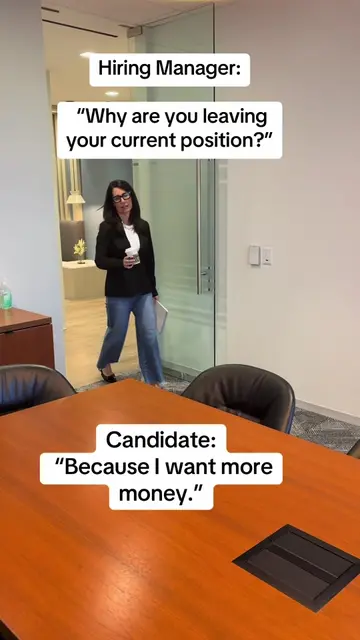
Don’t give away your negotiating leverage before you know what they’ve budgeted. 1. Return the question with a question. Before giving a number, ask: “Can you share the budgeted salary range for the role?” You want to understand what the company has already allocated before you start negotiating against yourself. 2. Do your research before the interview. Look at the posted salary range and research comparable positions in your market. Have your target and your minimum in mind before you walk into the interview. If they turn the question back to you: “Based on the scope of the role, my experience and the market research I’ve done, I’m targeting $X–$Y. Is that within the range you’ve budgeted?” 3. You got the offer. Quantify your value. Now negotiate. Let’s say they offer $85,000. Here are three examples: “Based on my experience increasing revenue by 18% in my current role and the scope of this position, I was targeting closer to $92,000. Is there flexibility to get closer to that number?” “Based on the scope of the position and the experience I’m bringing, I was targeting closer to $92,000. Is there flexibility to get closer to that number?” “What flexibility do you have within the budgeted range?” Then stop talking. You asked the question. Let them answer. Don’t get uncomfortable with the silence and start explaining, backtracking, or negotiating against yourself. 4. They tell you the offer is firm. That doesn’t necessarily mean the negotiation is over. Ask: “If there isn’t flexibility in the base salary, what other components of the compensation package have flexibility?” Think bonus, sign-on bonus, PTO, equity, commission, professional development, title, or flexibility. 5. Know when to walk away. If the offer falls below your minimum, consider the entire compensation package and other benefits. If the numbers still don’t work? Be prepared to decline. #job #interview #careeradvice #interviewtips #hiring
More from @thecareerdecoded
More breakout videos from this creator.