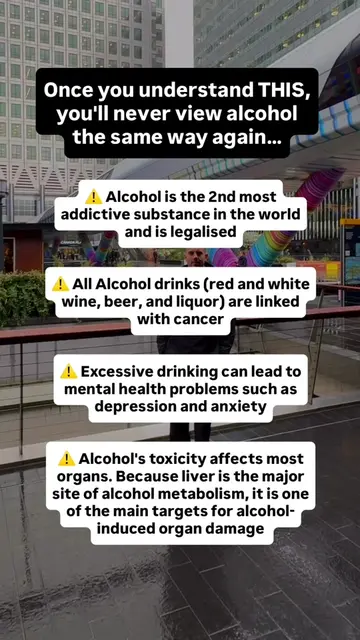
A new Gallup poll found that Americans are drinking less than ever, which is 54 percent of adults saying they consume alcohol. That's marking a record low for the second year in a row. And that could be good news because there is a new study out about the number of cancer deaths attributed to alcohol consumption. Joining us now with more on this is ABC News Medical Correspondent Dr. Darien Sutton. Good morning. Good morning. Okay, so let's break this study down. What does it say about alcohol consumption and the cancer risk? Well, most of us understand that alcohol can affect our health, but this recent study puts its connection to cancer into striking perspective. In this study, this is from the University of Miami School of Medicine. Researchers followed more than 30 years of data and they found that the number of cancer deaths attributable to alcohol roughly doubled, 11,000 deaths in 1990 to more than 23,000 in 2023. And this wasn't limited to one cancer type. Liver cancer was a dominant cancer, but that was closely followed by esophageal or throat cancer and colorectal cancer. So what is it about alcohol that contributes to this cancer growth? Well, alcohol itself is a known carcinogen. That's important to understand. When it's ingested, it's broken down into compounds such as acetaldehyde, and that can damage our cells, disrupting DNA. It can also impair the absorption of key nutrients like folate and disrupt important hormones like estrogen. Those processes together over time can increase your risk of developing cancer. In fact, the American Cancer Society defines alcohol as the third most common potentially avoidable cause of cancer-related deaths, second to smoking and obesity or excess weight. So, what are the age groups that were talking about here most at risk? And is there a difference in the outcomes between men and women? There certainly was. Age was the biggest difference. For adults over the age of 55, they have roughly eight times the rate of deaths compared to those aged 20 to 54. Now, that's understandable, consistent with long-term alcohol use. But there were differences in gender and sex. For men above the age of 55, liver cancer was the number one cause of alcohol-related cancer deaths. And for women, breast cancer was the number one cause. And for under 55, for men, colorectal cancer and for women, breast cancer. So, how many drinks are we talking about here? Can people have a cocktail or a glass of wine with dinner? You know, that's what's not specifically looked at into the study. And that's probably the hardest question to easily answer. But overall, it's important to understand that alcohol comes with risk. This is information that you can use to reconsider how you look at alcohol. It doesn't mean that you need to avoid alcohol or you can't have another glass of wine with dinner. But in medicine, in the emergency room, and in life in general, we're making decisions based on risk and benefit. This study adds information to that calculation. If you're looking for straightforward advice, you can look to the American Cancer Society for alcohol prevention or cancer reduction risk. They say just tend to avoid alcohol. And if you do drink, no more than two drinks a day for men and no more than one drink a day for women. But remember, there's no minimum safe amount. Overall, the more you avoid alcohol, the less alcohol-related risk you take on. If you're looking for straightforward advice, you can look to the American Cancer Society for alcohol prevention or cancer reduction risk. They say just tend to avoid alcohol. And if you do drink, no more than two drinks a day for men and no more than one drink a day for women. But remember, there's no minimum safe amount. Overall, the more you avoid alcohol, the less alcohol-related risk you take on.