Loading video…
All breakouts
714Text-HeavyCuriosity Gap hookCreator Economy
Hook
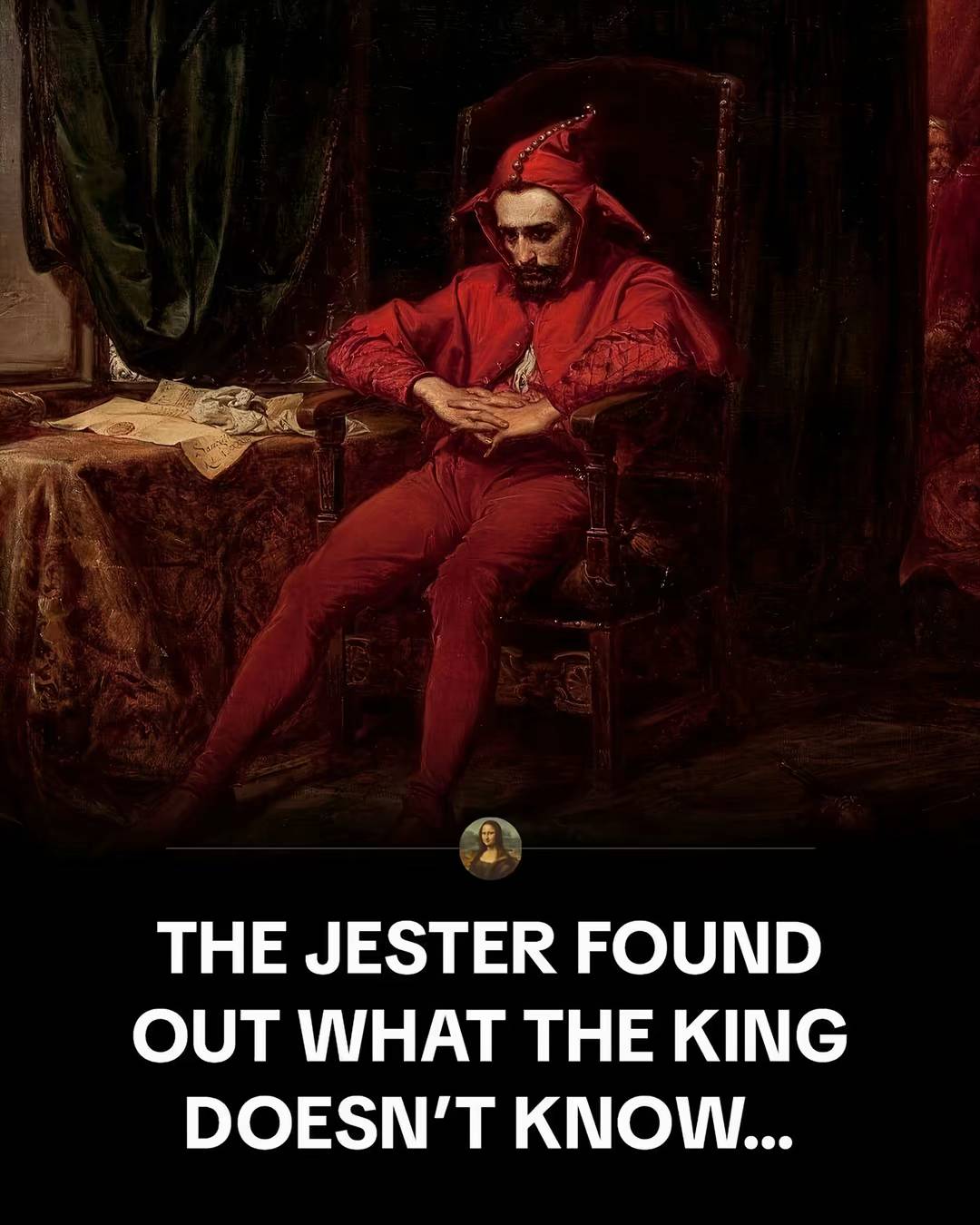
THE JESTER FOUND OUT WHAT THE KING DOESN'T KNOW...
@what_the_canvas_holds
9.4K followers · usually 952 views a post
Views
678.9K
Likes
94.2K
Comments
265
Shares
3.0K
Why it worked
The post leverages a visually striking painting and a compelling historical narrative to evoke emotion and provide educational value. The slow reveal of the painting's true meaning and the artist's personal connection to the subject matter creates a sense of discovery and engagement for the viewer.
Summary
This slideshow uses the painting "Stańczyk" by Jan Matejko to tell a story about Polish history and the artist's grief over his nation's occupation. It reveals that the painting, while depicting a 1514 event, was created in 1862 during a time when Poland did not exist as an independent country, making it a prophecy of future struggles.
Structure
- 1Introduction of the sad jester
- 2Identification of the jester and the historical context
- 3The jester's discovery of bad news (fall of Smolensk)
- 4The artist's intentional mixing of dates to reflect Poland's occupation
- 5The painting as a prophecy of rebellion and loss
- 6The jester's medallion symbolizing the homeland
- 7Revelation that the jester is the artist's self-portrait
- 8The artist's grief and inability to do anything but paint
Original caption
Stańczyk (1862) by Jan Matejko 📍National Museum, Warsaw Everyone at the party is dancing. The only person who understands the country is falling apart is the man in the clown suit. Matejko painted this at just 24, and it made his career. The scene is set in 1514: the Polish royal court throws a lavish ball while news arrives that the strategic city of Smolensk has fallen to Moscow. The entire court celebrates. Only Stańczyk, the king's jester, grasps what the loss actually means. During World War II, the Nazis looted this painting; the Soviets later seized it; it didn't return to Poland until around 1956. It survived the very kind of national catastrophe it warned about. Look closer: the jester's face is Matejko's own. He literally painted himself as the fool no one listens to. On the table, a letter with a broken seal carries the news from Smolensk; Stańczyk has read it, but it sits ignored among the clutter. His marotte, the jester's sceptre topped with a carved fool's head, lies discarded on the floor, as though even the costume of comedy has been abandoned. Through the window, a comet streaks past the silhouette of Wawel Cathedral, where Polish kings were crowned. Comets meant doom. Nobody at the ball is looking up. My take: this isn't really about 1514. Matejko finished it in 1862, one year before Poland's doomed January Uprising against Russia. He was painting the present and calling it the past. The jester who sees the disaster coming while everyone dances is Matejko himself, watching his own country sleepwalk toward another catastrophe. Joaquin Phoenix's Joker owes this painting more than it will ever admit. What role do you play at the party: the one dancing or the one who read the letter? Follow @what_the_canvas_holds for more stories behind the world's greatest paintings.
More from @what_the_canvas_holds
More breakout videos from this creator.