Loading video…
All breakouts
51.8Talking HeadStory Open hookOther
Hook
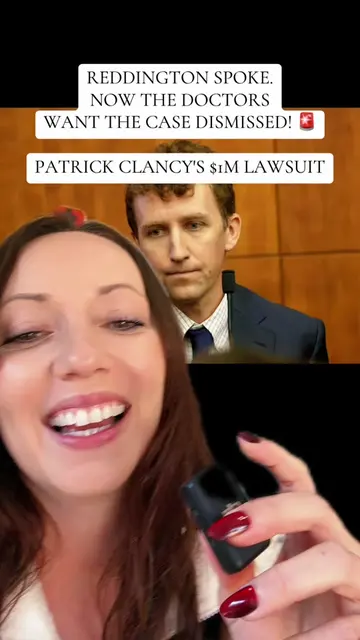
REDDINGTON: THIS WAS THE WORST MISTAKE OF LINDSAY CLANCY'S LIFE.
@kara_marlene
56.6K followers · usually 1.5K views a post
Views
60.3K
Likes
1.6K
Comments
358
Shares
71
Why it worked
The video likely resonated due to its focus on a high-profile true crime case, highlighting a tragic situation involving mental health and medical treatment. The emotional weight of the story, combined with the attorney's strong statements, would have captured viewer attention.
Summary
The video features an interview with Kevin Reddington discussing Lindsay Clancy's mental health treatment. Reddington highlights that Clancy was suffering from postpartum depression and sought help from a psychiatrist who prescribed her medication, which he suggests contributed to her life being ruined.
Structure
- 1Introduction of Lindsay Clancy's postpartum depression.
- 2Discussion of her seeking help from a psychiatrist.
- 3The psychiatrist's limited experience and advertising expertise.
- 4Clancy's suffering and calls to suicide hotlines.
- 5Her being turned away from a hospital due to prescribed medication.
- 6Reddington's conclusion that her life was ruined.
Product placement
GMA: This is a news program. It appears as a watermark and lower-third graphic. Removing it would not change what happens in the video. It merely appears.
Lindsay Clancy: This is the subject of the news report. Her actions and mental state are the focus. Removing her would change what happens in the video. She acts as the subject of the story.
Dr. Jennifer Tufts: This is a person interviewed in the news report. Her testimony is central to the narrative. Removing her would change what happens in the video. She acts as a subject of the story.
Original caption
Kevin Reddington turned the focus back to Lindsay’s mental-health treatment — and to the doctor Lindsay trusted when she was desperately seeking help. Dr. Jennifer Tufts testified that she had only been practicing independently for about ONE MONTH when she began treating Lindsay. Before Lindsay, she testified she had treated ZERO patients for postpartum psychosis during that month. Reddington’s point was devastating: Lindsay went looking for help. She trusted the professionals treating her. And according to the defense, the decisions made during that treatment became the worst mistake of her life. Her children are gone. Her marriage is gone. She is paralyzed. And her life as she knew it is gone. This is why the medical treatment in this case matters so much. Because the question isn’t only what happened on January 24. It’s also: What happened in the months BEFORE January 24, when Lindsay Clancy was asking professionals for help? 💬 What do you think — did the healthcare system fail Lindsay Clancy? #LindsayClancy #LindsayClancyTrial #KevinReddington #PostpartumPsychosis #PostpartumDepression
More from @kara_marlene
More breakout videos from this creator.