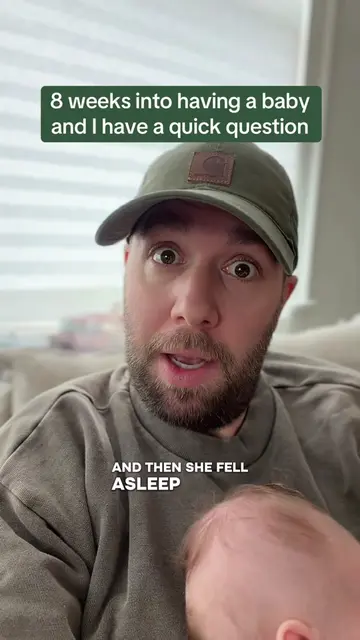
Loading video…
All breakouts
190Talking HeadStory Open hookLifestyle
Hook
My wife just asked me to list out all the Jewish holidays for her so she would know when they are coming up.
@lakejevitt
12.7K followers · usually 702 views a post
Views
132.7K
Likes
16.8K
Comments
370
Shares
3.2K
Promoted product
Instacart
Why it worked
The video uses a relatable, self-deprecating cultural observation to build rapport, while the product mention in the caption feels like a natural extension of the story rather than a forced advertisement.
Summary
The creator shares a humorous anecdote about his wife asking for a list of Jewish holidays, explaining that he relies on Google instead. He mentions using Instacart to order traditional items for Rosh Hashanah in the caption.
Structure
- 1Creator recounts his wife's request for a holiday schedule
- 2He explains why he doesn't keep track of Jewish holidays
- 3He describes the 'formative' experience of being surprised by holidays
- 4He mentions using Instacart for holiday supplies in the caption
Product placement
Instacart (a) it ACTS — the creator mentions using it to order apples and honey, which is a specific service result. Removing it would change the context of the caption.
On-screen text
Making sure my ✝️ wife gets the authentic ✡️ experience
MY WIFE JUST ASKED ME TO LIST OUT ALL THE JEWISH HOLIDAYS FOR HER SO SHE WOULD KNOW WHEN THEY ARE COMING UP. I SAID, "NO, JEWS DON'T KNOW THAT INFORMATION. WE DON'T HAVE ACCESS TO IT. THAT'S WHAT GOOGLING "YOM KIPPUR 2026" IS FOR. LIKE, THE MAGIC'S IN THE SURPRISE. THE FORMATIVE JEWISH EXPERIENCE IS SAYING, "OH, IT'S PASSOVER TOMORROW? SHIT." I DON'T NEED TO KNOW WHEN SUKKOT IS, THAT'S NOT MY BUSINESS. THE ONEG WILL FIND ME IF IT'S MEANT FOR ME. AND ALSO, HOW DID THE WORD "ONEG" COME OUT OF MY BRAIN RIGHT NOW? THAT'S A JEWISH MIRACLE.
Original caption
reposting because i just had to instacart apples and honey, shana tova #jewish #jews #jewishholidays #roshhashana #shiksa
More from @lakejevitt
More breakout videos from this creator.