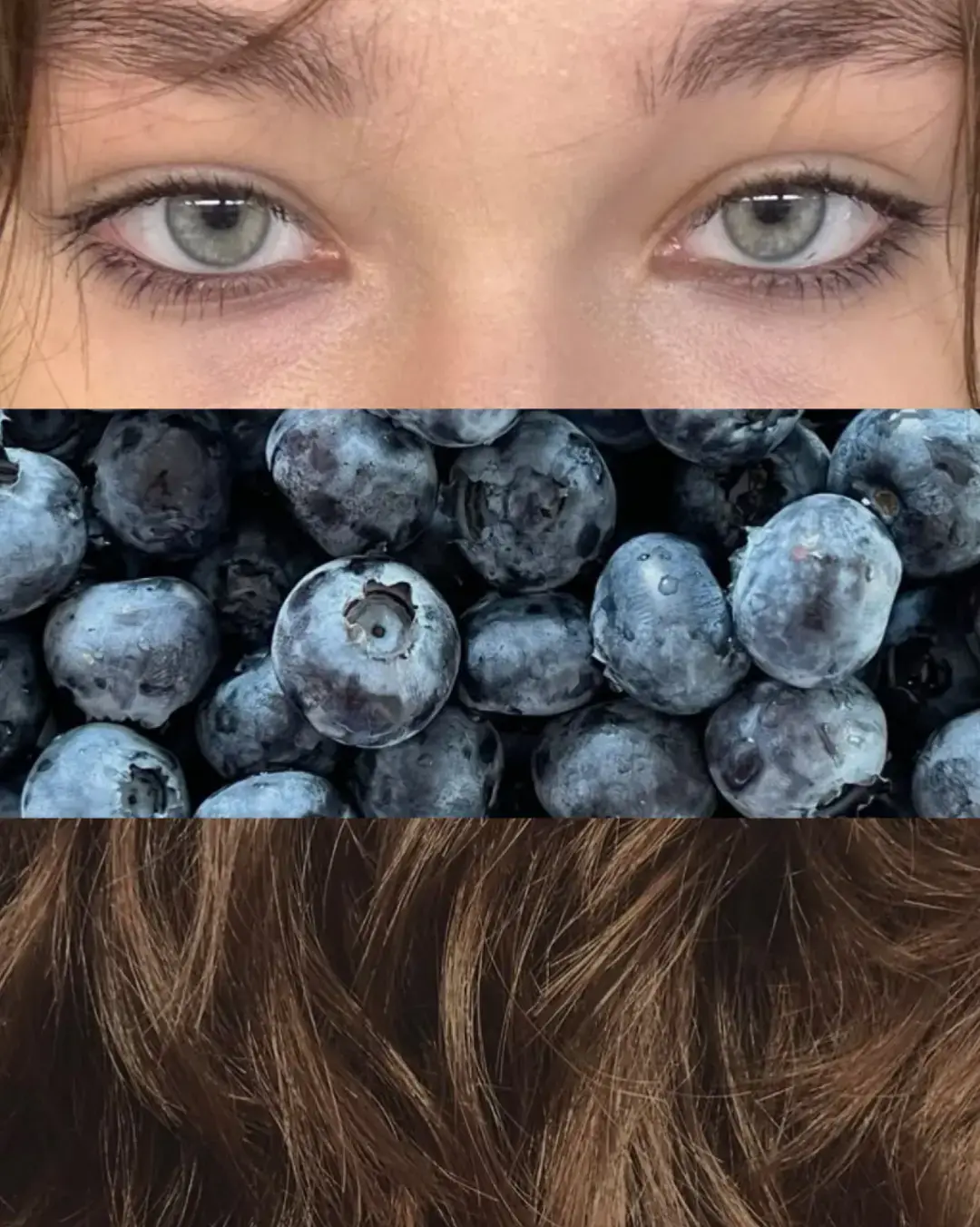
#blasian #blackandasian #black #fur #asia Blasian is an informal portmanteau of Black + Asian. It usually describes a person of mixed Black and Asian ancestry, but it can also describe a cultural blend, a couple, a family, or a style/aesthetic that mixes Black and Asian influences. It is not an official racial category, and it does not have one fixed meaning—it shifts depending on country, generation, and who is using it. The term became more visible in the late 20th and early 21st centuries, especially through internet culture, media, and celebrity coverage. A more formal or academic term is Afro-Asian, though that term can also refer to political and historical solidarity between African and Asian countries, not just mixed-race identity. So “Blasian” is usually the more personal/cultural label, while “Afro-Asian” can be broader or more institutional. Who counts as Blasian? That depends on what “Black” and “Asian” mean in a given context. · Black can mean African American, Caribbean, African, Afro-Latino, Afro-European, or part of the wider African diaspora. · Asian can mean East Asian, Southeast Asian, South Asian, and sometimes Central or West Asian, though in everyday U.S. speech “Asian” often implies East or Southeast Asian. So a Blasian person could be, for example: · African American and Korean · Jamaican and Chinese · Nigerian and Vietnamese · Haitian and Japanese · Black British and Indian · Filipino and African American Some mixed Black-Asian communities have their own specific names. In Trinidad and Guyana, people of African and Indian descent are sometimes called Dougla. In India, the Siddi are communities of African descent. In Pakistan, Sheedi refers to people of African descent. There are also Afro-Japanese, Afro-Korean, Afro-Chinese, and Afro-Filipino communities. Not all of these people use or identify with the word “Blasian.” Historical background Black and Asian contact is not new. There have been African traders, sailors, soldiers, slaves, and merchants in Asia for centuries. African presence in India, Pakistan, Iraq, Iran, and other parts of Asia predates modern ideas of race. Later, colonialism, war, and military occupation created new mixed communities. A major factor was the presence of U.S. and other foreign military bases in Asia after World War II and during the Cold War—especially in Japan, South Korea, the Philippines, Thailand, and Vietnam. Black American soldiers often formed relationships with local women, and their mixed children sometimes faced severe discrimination. In Japan, terms like konketsu or hafu have been used; in Korea, honhyeol was a stigmatizing term for mixed-race people. These children often grew up navigating racism, colorism, and questions of belonging. More recently, migration and globalization have created new Black-Asian communities in places like Guangzhou, China, where African traders and migrants have settled, and in African countries with Chinese and Indian diaspora populations. Identity and culture Being Blasian is not one experience. Some people identify strongly with both sides. Some identify more with one. Some reject the term “Blasian” because it feels too broad, too trendy, or too much like a label imposed from outside. Others embrace it as a useful way to name a real experience. Mixed Black-Asian people can face specific pressures: · Anti-Blackness within some Asian communities · Anti-Asian racism within some Black communities · The “model minority” stereotype applied to Asian people · Fetishization, especially in dating and adult entertainment, where “Blasian” is sometimes used as a fantasy category · Pressure to “pick a side” or prove their authenticity · Colorism and texturism within both communities
 Locked — part of Pro; create a free account to start.Open on TikTokPro