Loading video…
Sound

original sound - biosaber52
BioSaber · Original audio
0:00–:––
Playing this video’s own audio, so you’ll hear the creator over the sound.
Hook
Posted Sep 19, 2026Video · 0:28by @biosaber52
We didn’t find a product being promoted in this video. Its hook, format and structure below still show why it took off.
Browse products winning on TikTokThe video uses high-quality, visceral 3D medical animation to satisfy curiosity about a common, painful experience, making complex biological processes easy to understand at a glance.
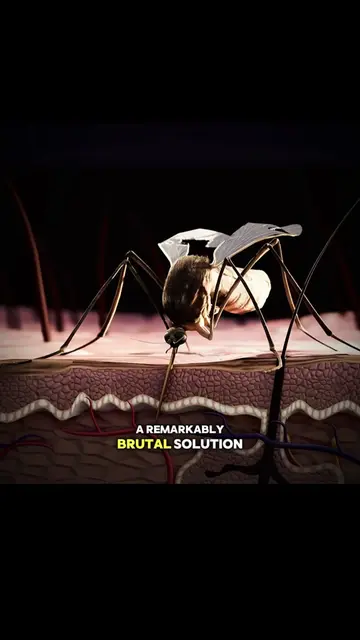
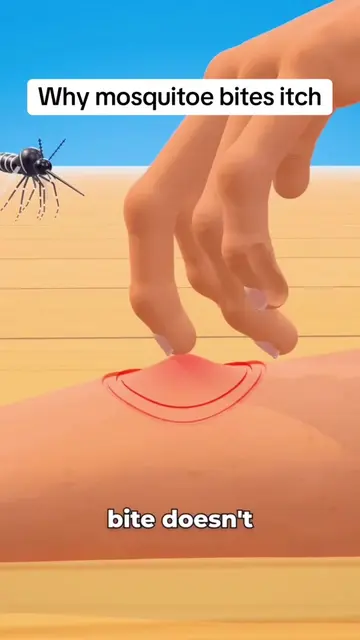
This video uses a 3D animation to illustrate the biological process of a honeybee sting. It explains how the stinger embeds in the skin, releases venom, and why the bee often dies after the encounter.
🐝 When a honeybee stings, it inserts its stinger into the skin and begins releasing venom into the tissue. That venom quickly activates nerve endings and the inflammatory response, causing pain, burning, redness, and swelling around the sting. Because a honeybee’s stinger has tiny barbs, it can become lodged in the skin. When the bee tries to escape, part of its abdominal apparatus may tear away, and the bee dies shortly afterward. A lesser-known fact is that if the stinger remains embedded, it can continue releasing venom for a short time, so it is best to remove it as soon as possible without squeezing the venom sac. #BeeSting #Honeybee #BeeVenom #FirstAid #tiktokgrowthchallenge
When a honeybee stings, it inserts its stinger into the skin and begins releasing venom into the tissue.
Stinger insertion into skin
Venom release and nerve activation
Inflammatory response visualization
Stinger barb mechanism
Abdominal tear and bee death
Playing this video’s own audio, so you’ll hear the creator over the sound.
Outliers and viral hits: their videos on Overshot, all time.