Loading video…
All breakouts
13.7Text-HeavyContrarian hookCreator Economy
Hook
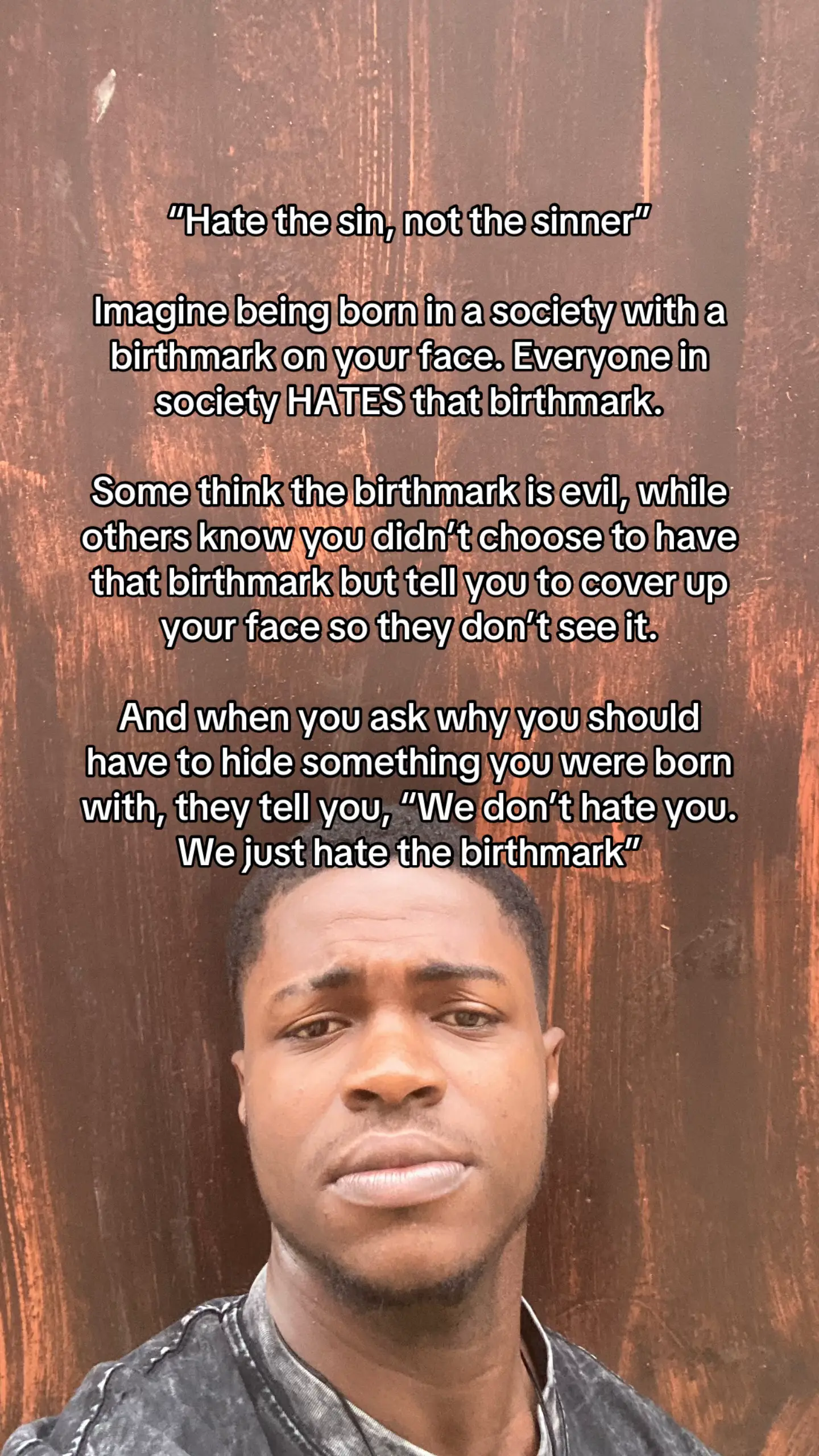
"Hate the sin, not the sinner"
@officialchrismbah
19.9K followers · usually 6.9K views a post
Views
92.3K
Likes
17.2K
Comments
679
Shares
343
Why it worked
The post uses a powerful and relatable analogy to explore themes of prejudice and societal judgment, prompting reflection and discussion on how people are treated for characteristics they cannot change.
Summary
This post uses the analogy of a birthmark to discuss societal judgment and discrimination. It highlights how people can be ostracized for something they cannot control, with society claiming to hate the "sin" (the birthmark) but not the "sinner" (the person).
Structure
- 1Introduction of the "hate the sin, not the sinner" concept.
- 2Analogy of a birthmark on the face and societal hatred towards it.
- 3The conflict between those who see the birthmark as evil and those who acknowledge it's uncontrollable.
- 4The demand to cover up the birthmark.
- 5The justification given: "We don't hate you. We just hate the birthmark."
On-screen text
"Hate the sin, not the sinner"
Imagine being born in a society with a birthmark on your face. Everyone in society HATES that birthmark.
Some think the birthmark is evil, while others know you didn't choose to have that birthmark but tell you to cover up your face so they don't see it.
And when you ask why you should have to hide something you were born with, they tell you, "We don't hate you. We just hate the birthmark"
More from @officialchrismbah
More breakout videos from this creator.