Loading video…
Sound

Spenashi x On you
Timi Dre · Original audio
0:00–:––
- Videos using it
- 12
- Creators
- 9
- Views on those videos
- 8.4M
Hook
Posted Sep 22, 2026Video · 0:09by @mudiafashionstudio
The video effectively uses visually striking and unique fashion designs to capture attention. The use of on-screen text and the creator's handle directly links the showcased products to the brand, making it easily discoverable for interested viewers.
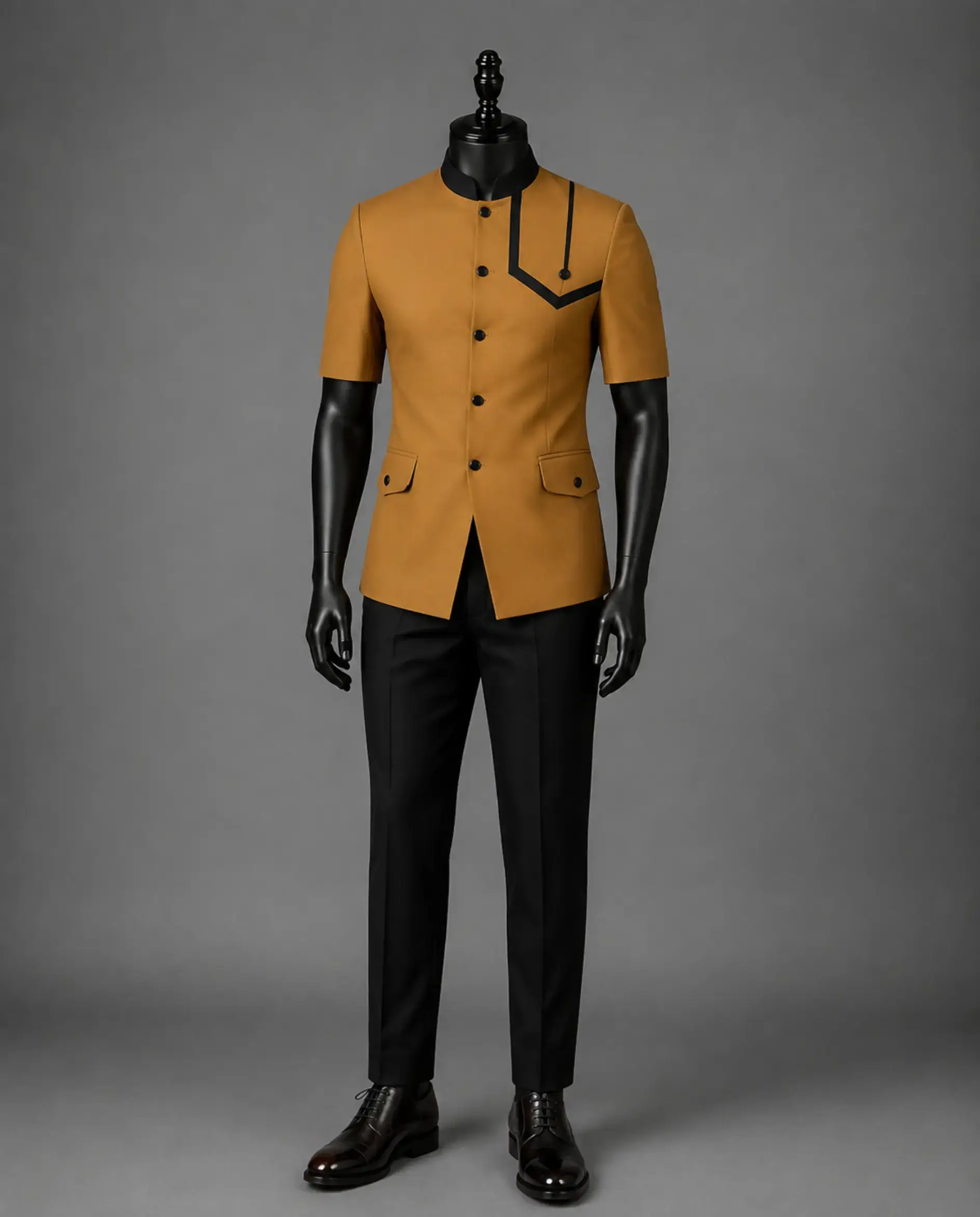
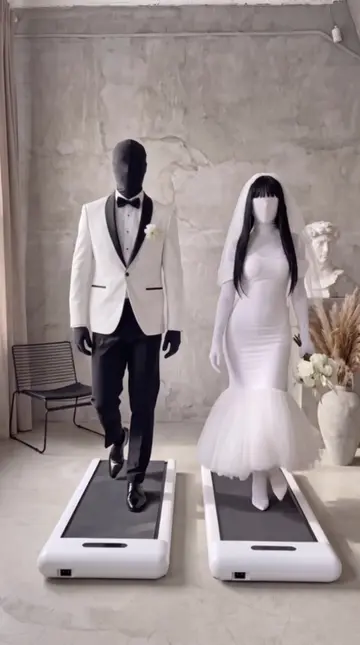
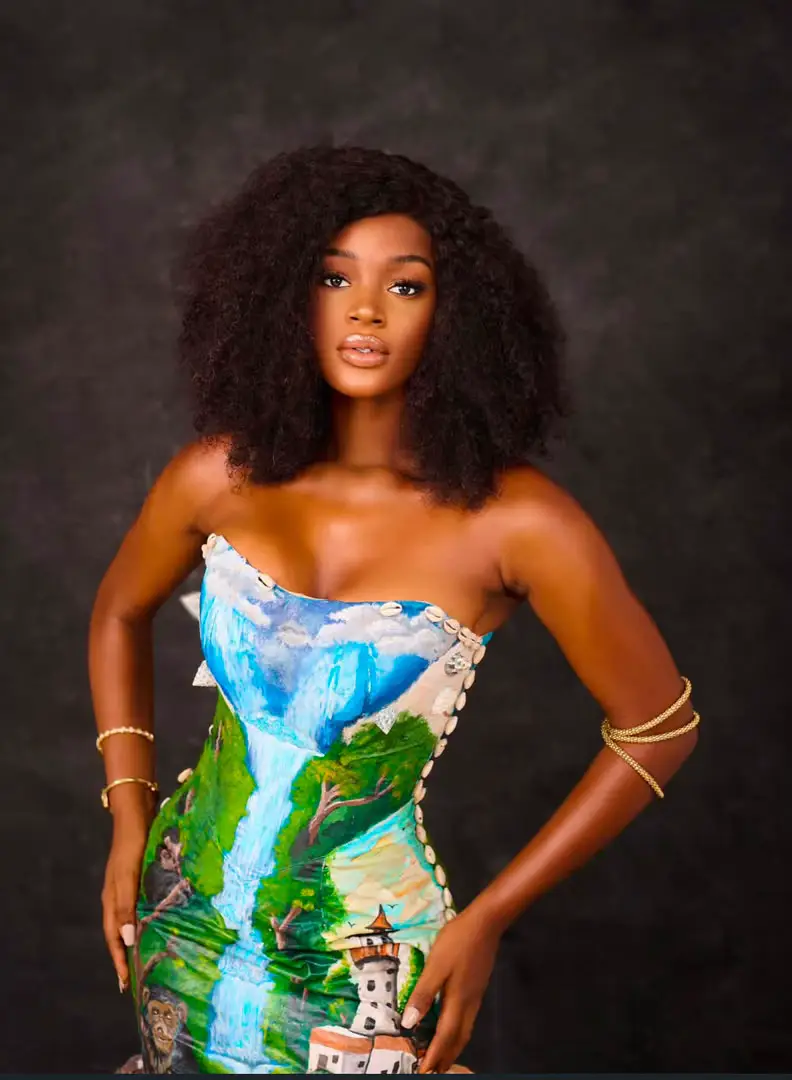
The video showcases various elaborate African-inspired fashion designs from the brand Mudia Fashion. The designs are presented on mannequins against a backdrop of curtains, highlighting the intricate patterns and silhouettes.
You found the brand that makes African fashion feel like royalty. 👑✨ From bold prints to beautifully tailored silhouettes, every Mudia Fashion piece is designed to make you feel confident, elegant, and unforgettable. Because African fashion isn’t just what you wear — it’s how you feel when you wear it. ❤️ Step into your royal era with Mudia Fashion. 👑 #mudiafashion #akwete #akwetefashion #goviral #fyp
You found the brand that makes African fashion feel like royalty. 👑✨
Showcase of black and white patterned dress
Display of a colorful patterned dress
Presentation of a blue and yellow patterned outfit
Exhibition of a vibrant pink and green patterned dress
Mudia Fashion (ACTS) - This is a fashion brand that designs and sells African and corporate wear. The video showcases their designs, implying they are the creator of these garments. Removing it would change what happens in the video. Mudia.fashion.studio (APPEARS) - This is the Instagram handle for Mudia Fashion. It appears as a watermark. Removing it would not change what happens in the video.
Shopify, PagePilot, Higgsfield and AutoDS in one dropshipping workflow -> PagePilot is the promoted product. The same applies when a customer documents an expensive transformation by a named provider: the provider performs the paid result, while the customer's item remains substrate unless it is independently reviewed, recommended, or offered for sale. A product's own account demonstrates it inside a multi-tool workflow -> the publisher's product is normally the subject. The other tools are supporting substrate unless the video explicitly pivots into selling one of them. Example: a PagePilot account shows Shopify, PagePilot, Higgsfield and AutoDS in one dropshipping workflow -> PagePilot is the promoted product. Creator ownership is a strong prior, not an automatic verdict. The account's product must still appear, act, or be the destination of the CTA. A store doing $50k/mo that runs on Shopify -> the STORE is the product. Shopify is substrate. Do not name Shopify. Someone using a TikTok built-in feature -> that is the platform we are on, not a product being sold. product_role: substrate. "Link in bio" pointing at linktr.ee / beacons.ai / stan.store -> those are link containers. The product is whatever the container leads to; if you cannot tell what that is, say "none" rather than naming the container. The same applies to affiliate storefronts such as ShopMy, LTK, or an Amazon storefront. "Everything is linked on my ShopMy" promotes the linked clothes, cosmetics, or other items; ShopMy is only the sales route. Name the storefront itself only when the video demonstrates, reviews, teaches, or reports the creator's results from using that platform. Let the CTA break ties between a demonstrated device and an accessory. If a phone showcase ends with "get this case in my bio", the CASE is the promoted product and the phone is substrate. Keep the device only when it is also independently reviewed, recommended, or offered for sale. A vlog edited in CapCut, mentioned once -> incidental, not the subject. A screen demo of Invideo -> Invideo IS the subject. Name it. If the only nameable thing is a hosting platform, marketplace, social network or link aggregator, the honest answer is product_role: substrate and promoted_product: "none". A generic category ("an AI tool", "a CRM") is also not a product name — say "none".
Outliers and viral hits: their videos on Overshot, all time.
African-inspired and corporate clothing for fashion shoppers
All time.