Loading video…
Sound

original sound - climate_insiders
Climate Insiders · Original audio
0:00–:––
Playing this video’s own audio, so you’ll hear the creator over the sound.
We didn’t find a product being promoted in this video. Its hook, format and structure below still show why it took off.
Browse products winning on TikTokThe video effectively demonstrated a visually compelling and innovative solution to a significant environmental problem. The contrast between traditional expensive methods and the simple yet effective straw checkerboarding technique, coupled with the dramatic before-and-after transformation of the landscape, likely resonated with viewers and drove engagement.
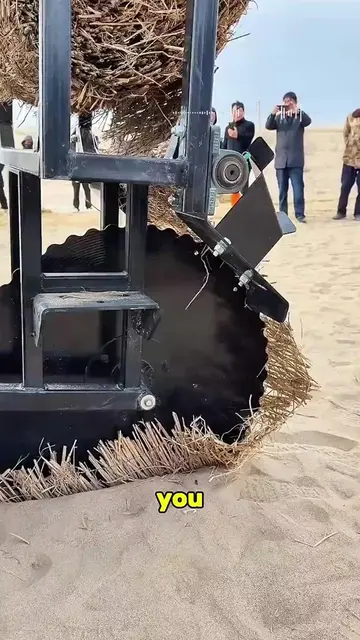
This video showcases China's innovative approach to combating desertification using a method called "straw checkerboarding." This technique involves planting dry straw and shrubs in grids to stabilize sand dunes, retain moisture, and allow drought-resistant plants to grow, transforming barren land into usable areas.
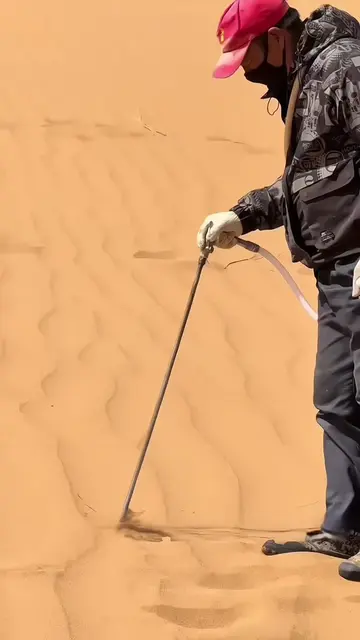
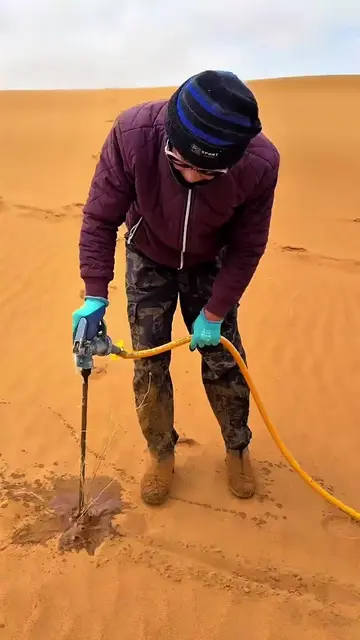
🌱 Only 25% of the saplings survived. Then one forestry engineer changed the shovel. For years, Tang Ximing planted seedlings in the Tengger Desert and watched roughly three out of four die. The problem wasn't a lack of effort. It was the method. Workers had been using straw checkerboards to slow wind, stabilize dunes and retain moisture. The technique worked, but many newly planted seedlings still struggled to survive in the dry surface layer. So Tang studied the failures. Then he redesigned the shovel. His steel shovel pushed seedlings deeper into the sand, closer to available moisture. Survival reportedly jumped from around 25% to more than 85%. One small change. A completely different outcome. And over decades, those small improvements compounded. 🌾 Hundreds of thousands of hectares treated with straw grids 🌱 More than 100 million drought-tolerant plants cultivated 🌳 Vegetation coverage around Zhongwei increased dramatically 🚆 Green belts now help protect critical infrastructure from shifting sand None of this happened overnight. People returned to the same dunes season after season. They laid straw. They planted. They lost seedlings. They adapted. And they came back. That's the part of restoration we don't talk about enough. Progress isn't always a breakthrough. Sometimes it's noticing why something failed, changing one variable, and trying again. The materials were ordinary. The persistence wasn't. So here's the real question: How long would you keep working on something that failed 3 times out of 4 if you believed you could change the odds?
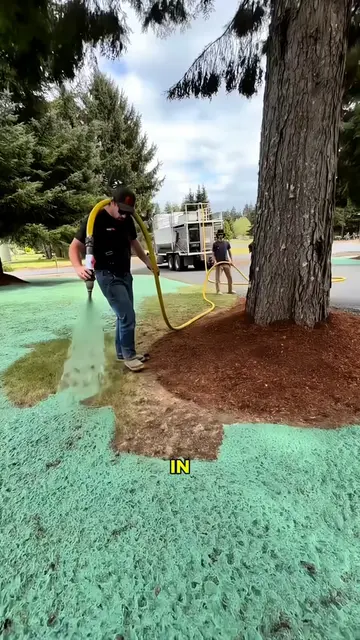
In the US
Introduction to desertification efforts in the US vs. China
Explanation of the straw checkerboarding technique
Demonstration of planting straw and shrubs
Showcasing the effectiveness of the method
Highlighting the growth of drought-resistant plants
Concluding with the transformation of barren land
Playing this video’s own audio, so you’ll hear the creator over the sound.
Outliers and viral hits: their videos on Overshot, all time.